
Autodesk Acquires FlexSim: Integrating Discrete Event Simulation into Factory Design Workflow
Strategic Expansion in Discrete Event Simulation
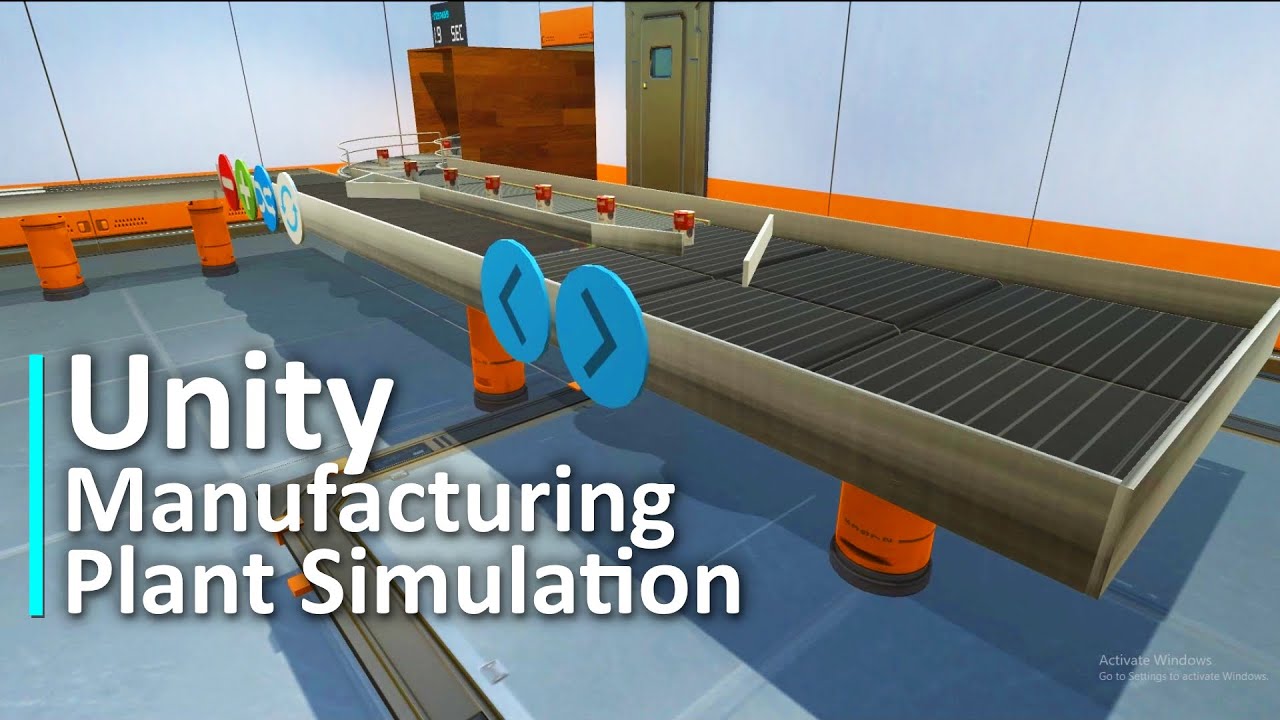
In October 2023, Autodesk signed a definitive agreement to acquire FlexSim Software Products, Inc., a leading provider of 3D discrete event simulation (DES) technology for factory and logistics optimization. The acquisition, which completed in March 2024, represents a significant strategic move to integrate advanced simulation capabilities into Autodesk's comprehensive design and manufacturing ecosystem.
FlexSim's technology enables engineers and operations managers to create virtual models of manufacturing facilities and logistics centers, simulating production flows, material handling, and operational performance before committing to physical implementation. This capability is particularly valuable in an era where manufacturers face increasing pressure to optimize operations, reduce time-to-market, and minimize capital expenditure risks.
Bridging Design and Operations
The acquisition addresses a critical gap in the product development lifecycle: the connection between factory design data and operational performance data. Traditionally, factory design tools have focused on spatial layout and equipment placement, while operational analysis has been conducted separately using standalone simulation software. This disconnect often leads to costly redesigns and suboptimal facility performance.

By integrating FlexSim's discrete event simulation capabilities with Autodesk's existing factory design tools—including Inventor, Revit, AutoCAD, and the Product Design and Manufacturing Collection—Autodesk is creating a unified environment where design decisions can be validated against operational metrics in real-time. This integration enables engineers to analyze production throughput, identify bottlenecks, evaluate equipment utilization, and optimize material flow directly within their design workflows.
The technology will be closely aligned with Autodesk Fusion, the company's cloud-based platform that combines CAD, CAM, CAE, PLM, and MES capabilities. This alignment supports Autodesk's broader vision of a connected Design and Make Platform, where data flows seamlessly across the entire product lifecycle.
Digital Twin Foundation
FlexSim's simulation technology serves as a foundational element for digital twin development in manufacturing. A digital twin—a high-resolution virtual replica of a physical factory—enables continuous planning, simulation, and control of operations. With FlexSim's capabilities integrated into Autodesk's platform, manufacturers can create digital twins that predict performance, forecast energy consumption and emissions, analyze safety scenarios, and measure equipment utilization before physical construction begins.
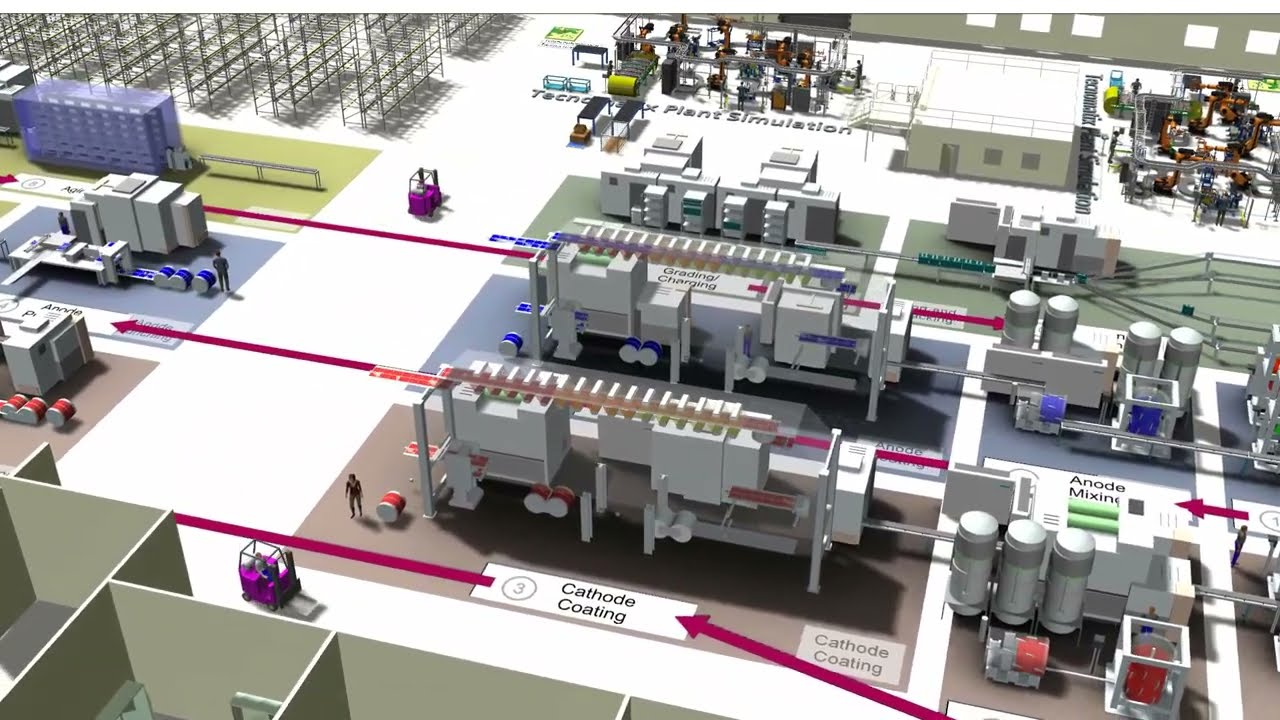
This capability is particularly relevant for both greenfield facilities (new construction) and brownfield projects (retrofits or expansions of existing facilities). Engineers can test multiple layout scenarios, evaluate different equipment configurations, and optimize workflows in a virtual environment, significantly reducing the risk of costly mistakes such as installing expensive machinery in suboptimal locations.
Industry Applications and Impact
FlexSim's technology has been successfully deployed across multiple industries. In manufacturing, companies like Timken have reported 27% improvements in labor productivity through factory design reconfiguration enabled by FlexSim simulations. The software's pre-packaged modules support conveyor systems, automated guided vehicles (AGVs), warehousing operations, and supply chain logistics.
Beyond traditional manufacturing, FlexSim HC—a specialized healthcare version—has been used to model patient flows and optimize healthcare facility operations. The software's flexibility and drag-and-drop interface, combined with a library of pre-built objects with embedded logic, enables rapid model development without extensive programming expertise.
Strategic Implications
The acquisition reflects broader industry trends toward integrated, cloud-based simulation platforms that democratize access to advanced analysis capabilities. By embedding simulation directly into design tools, Autodesk is lowering the barrier to entry for manufacturers who may have previously considered discrete event simulation too complex or expensive to implement.
For FlexSim users, the acquisition promises enhanced compatibility with Autodesk's ecosystem, continued product development, and access to Autodesk's global support infrastructure. The FlexSim development team remains intact, ensuring continuity in product evolution and customer support.
As manufacturing becomes increasingly digital and data-driven, the integration of design and simulation capabilities represents a logical evolution in engineering software. Autodesk's acquisition of FlexSim positions the company to deliver comprehensive solutions that span from initial concept through operational optimization, supporting manufacturers in their digital transformation journeys.
For more information about FlexSim and its integration with Autodesk products, visit Autodesk FlexSim and the official acquisition announcement.