
Skip to content

Simulation Tools Reference

News, in-depth articles, and best practices for every kind of simulation — from CFD and FEA to robotics, finance, and beyond.

Explore by topic

All categories →

Featured guides

Article

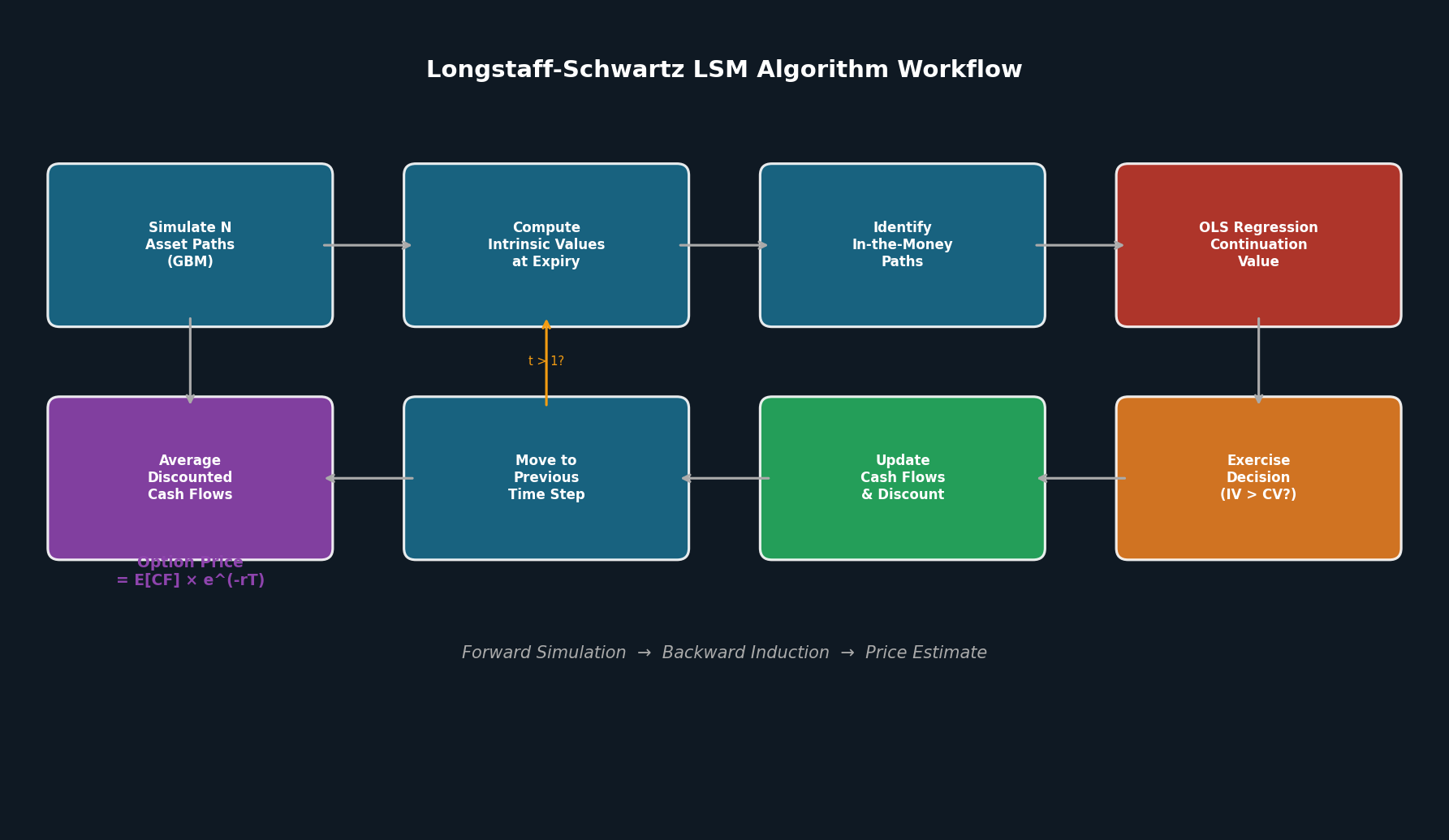
Implementing Longstaff-Schwartz Least-Squares Monte Carlo for American Option Pricing

The Longstaff-Schwartz Least-Squares Monte Carlo (LSM) algorithm is the industry-standard method for pricing American and Bermudan options by combining Monte Carlo simulation with regression-based dynamic programming. This article covers the full LSM implementation in Python, basis function selection, multi-dimensional extensions, and practical calibration tips for production use. Practitioners will learn how to apply LSM to vanilla American puts, basket options, Bermudan swaptions, and real options.

By Jeff 1154 views
Article

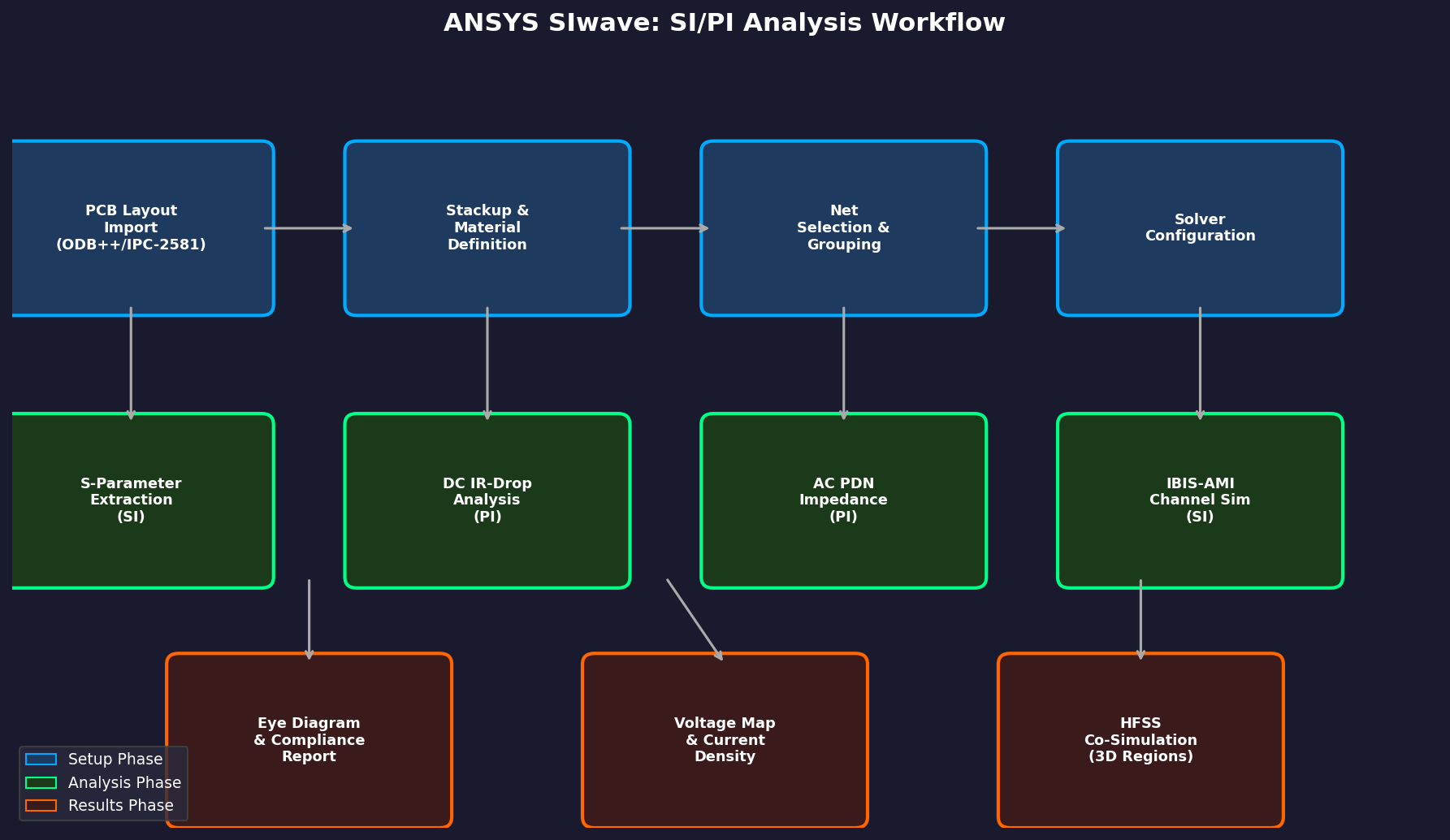
ANSYS SIwave: PCB Signal Integrity and Power Integrity Simulation for High-Speed Digital Designs

ANSYS SIwave is a purpose-built electromagnetic simulation tool for PCB signal integrity and power integrity analysis, enabling engineers to extract S-parameters, run IBIS-AMI eye diagram simulations, and compute PDN impedance profiles directly from the routed board layout. This article covers the complete SI/PI workflow — from ODB++ import through DC IR-drop, AC PDN impedance, and channel compliance reporting — with best practices for high-speed designs above 1 GHz.

By Jeff 942 views
Article

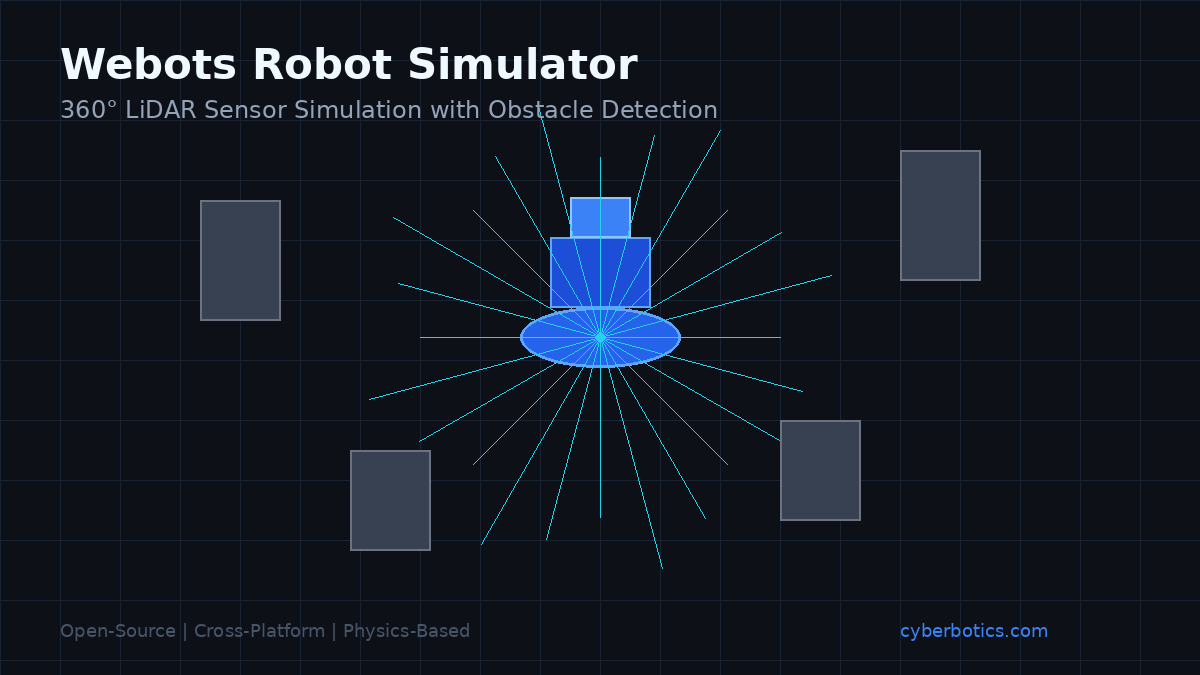
Webots: Open-Source Robot Simulation with Cross-Platform Physics and Sensor Fidelity

Webots is a free, open-source robot simulator that provides a complete, self-contained environment for modeling, programming, and simulating robots without requiring ROS. This article explores Webots' physics engine, sensor noise modeling, ROS 2 integration via the webots_ros2 package, and the powerful Supervisor API for automated benchmarking and reinforcement learning workflows. Engineers will learn best practices for production-grade simulations, including PROTO node reuse, physics validation, and headless fast-simulation mode for large-scale experiments.

By Jeff 940 views
Article

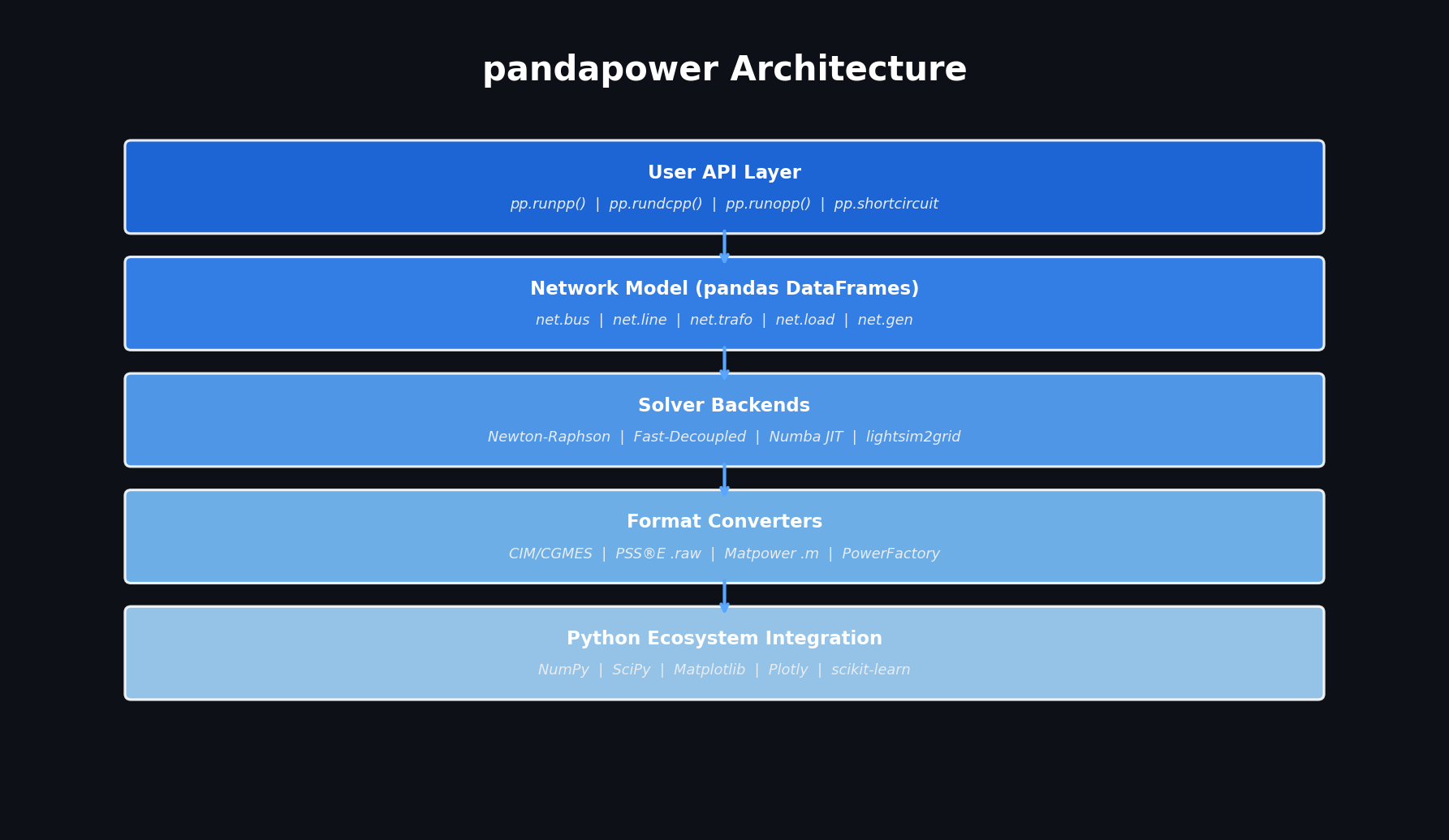
pandapower: Python-Native Power System Analysis for Modern Grid Engineers

pandapower is an open-source, Python-based power system analysis framework that stores network models as pandas DataFrames, enabling fully scriptable AC/DC power flow, optimal power flow, short-circuit analysis, and N-1 contingency screening. Its seamless integration with the Python scientific ecosystem makes it the tool of choice for engineers building automated, reproducible, and version-controlled grid studies. This article covers core capabilities, solver backends, time-series workflows, and guidance on when pandapower is the right choice.

By Jeff 765 views
Article

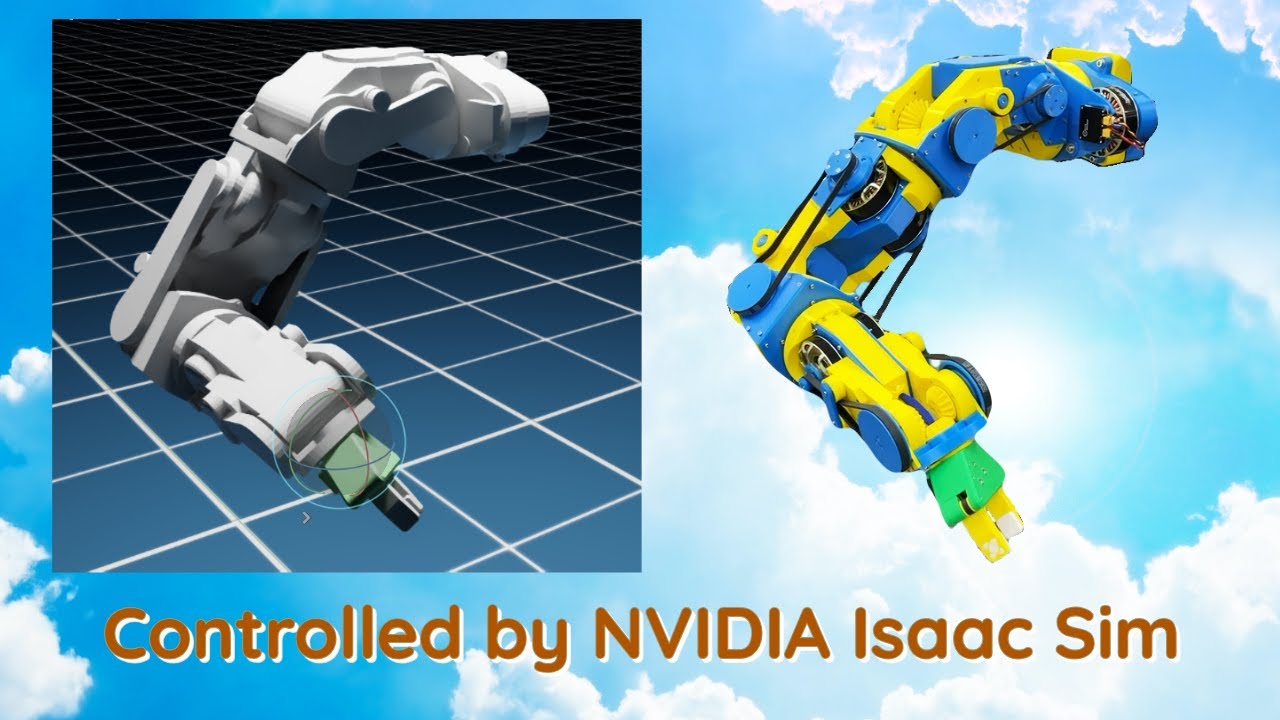
NVIDIA Isaac Sim: GPU-Accelerated Robot Simulation with Synthetic Data Generation

NVIDIA Isaac Sim is a high-fidelity, GPU-accelerated robotics simulation platform built on the Omniverse USD framework that delivers photorealistic rendering and accurate physics simultaneously. This article covers Isaac Sim's core architecture, the Replicator synthetic data generation framework, native ROS 2 integration via the Action Graph, and best practices for closing the sim-to-real gap in manipulation and mobile robotics applications.

By Jeff 670 views

Latest News

View all →
News

Visual Components 5.1: 10x Faster AMR Simulation, PhysX 5.5 Physics, and Allen-Bradley PLC Connectivity

Visual Components 5.1 delivers a complete rebuild of its mobile robot navigation stack, enabling hundreds of AMRs and AGVs to run simultaneously with up to 10x faster performance. The release also upgrades the physics engine to PhysX 5.5 for more reliable material flow simulation and adds Allen-Bradley PLC connectivity alongside new virtual commissioning plugins for Nachi and Epson robots.

By Jeff 49 views
News

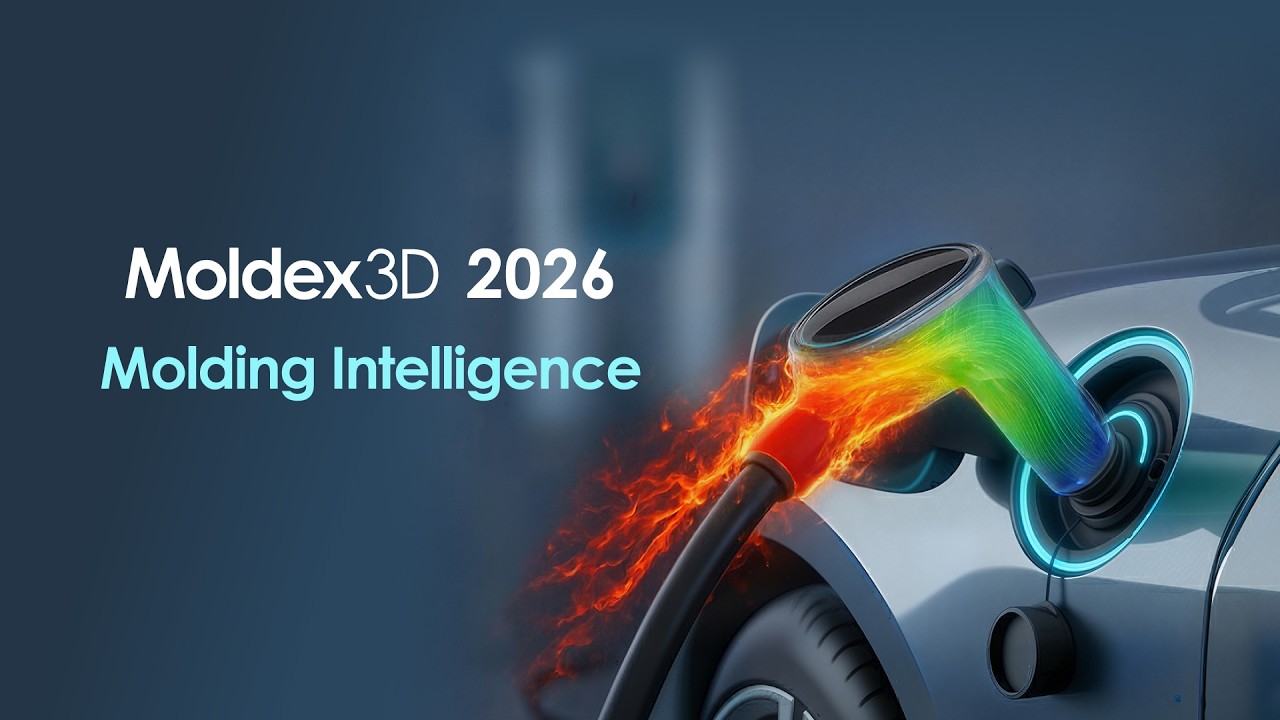
SOLIDWORKS Simulation 2026: Fill Thin Slot, Angular Displacement Plots, and Pin Connector Force Extraction

SOLIDWORKS Simulation 2026 delivers targeted enhancements across structural, thermal, vibration, and plastics analysis workflows. Key additions include the Fill Thin Slot feature for accurate heat transfer modeling in compact assemblies, angular displacement plotting in degrees or radians, pin connector force extraction in random vibration studies, and a 30% speed boost for injection molding simulations.

By Jeff 46 views
News

KBC Petro-SIM v7.6: AI-Integrated Digital Twin Platform Advances Process Simulation for Energy Transition

KBC (A Yokogawa Company) has released Petro-SIM v7.6, a major update to its flagship process simulation platform that combines first-principles physics modeling with AI/ML integration, a new NOMAD blackbox optimization solver, and a Fischer-Tropsch reactor model for sustainable aviation fuel production. The release delivers up to 30% faster solving times for hydroprocessing simulations and introduces advanced polymer modeling powered by Predici.

By Jeff 281 views
News

Realis Simulation 2025.2: 50% Faster Combustion CFD, Dual-Fuel H₂/NH₃ Support, and Tighter CFD-FEA Coupling

Realis Simulation 2025.2 delivers a 50% reduction in VECTIS R2DK combustion run times, new dual-fuel auto-ignition capabilities for hydrogen and ammonia blends, and a validated FEARCE-Vulcan thermal model for hydrogen direct-injection engines. The release also adds direct modeFRONTIER coupling for automated DOE workflows and builds on the 95%-faster CFD-FEA heat transfer mapping introduced in 2025.1.

By Jeff 259 views
News

Abaqus 2025: Multi-GPU Acceleration, Advanced Wear Modeling, and Expanded Multiphysics Capabilities

Dassault Systèmes SIMULIA has released Abaqus 2025, delivering significant advances in solver performance, contact wear simulation, and multiphysics workflows. Key highlights include multi-GPU acceleration for the iterative sparse solver, DMP scalable eigensolvers for frequency and buckling analysis, and new surface tension modeling capabilities that open the door to solder reflow and microfluidics applications.

By Jeff 835 views
News

OpenFOAM v2512: GAMG Reproducibility, AMI Caching Speedups, and a New Immersed Boundary Method

The December 2025 release of OpenFOAM v2512 delivers targeted improvements to the GAMG solver, introduces AMI stencil caching for 10–30% speedups in moving-mesh simulations, adds a two-layer k-ε wall treatment, and brings a new finite-area Immersed Boundary Method for thin-film modeling. The release also completes the project's migration to GitLab.

By Jeff 314 views