
Skip to content

Materials Science & Nanotechnology

Microstructure evolution, composite behavior, molecular dynamics, additive-manufacturing

15 articles

Article

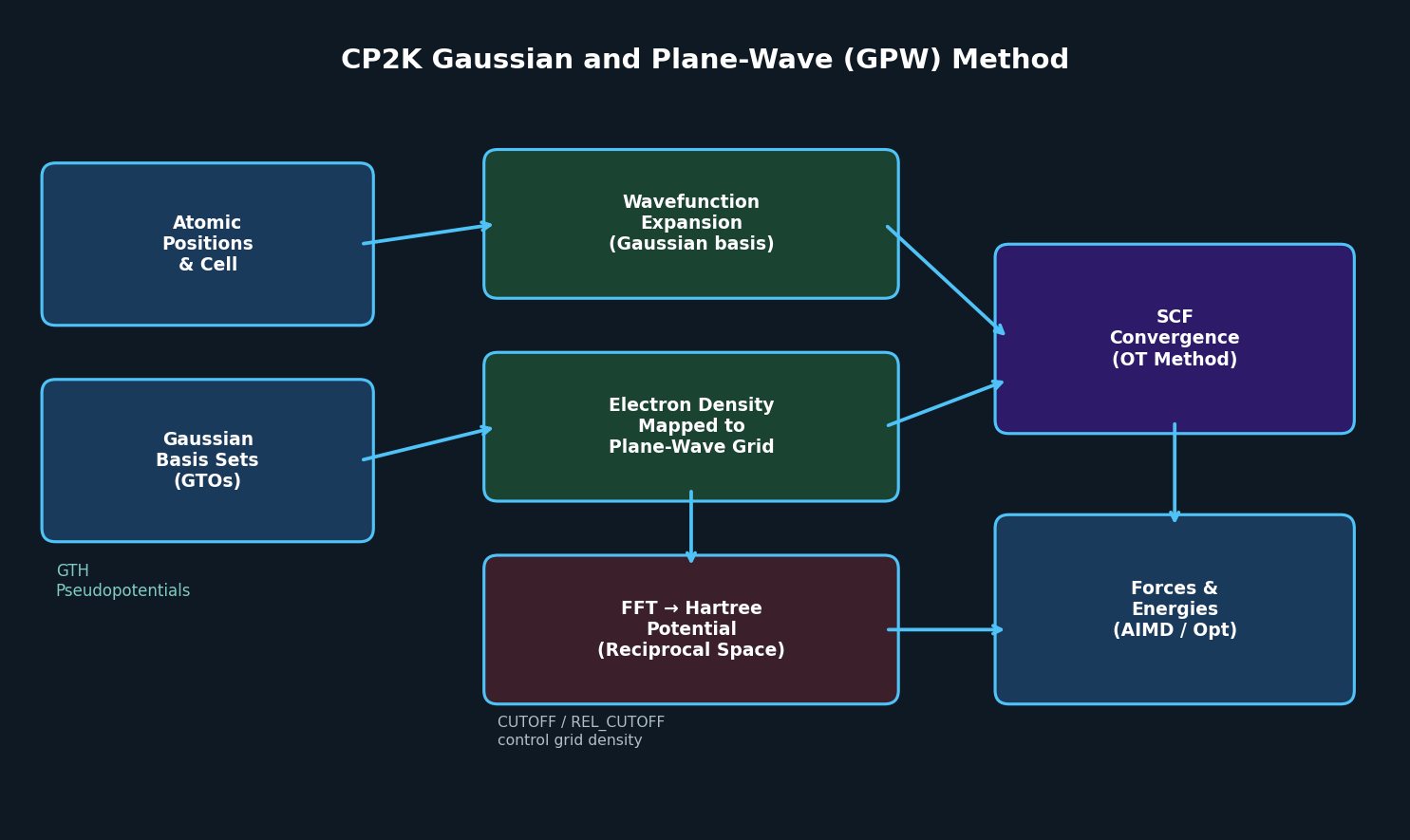
CP2K: Hybrid Gaussian and Plane-Wave DFT for Large-Scale Materials Simulations

CP2K's Gaussian and Plane-Wave (GPW) method uniquely combines localized Gaussian basis sets with an auxiliary plane-wave grid, enabling linear-scaling DFT calculations on systems of thousands of atoms. Its production-ready AIMD engine, affordable hybrid functionals via ADMM, and seamless machine-learning potential integration make it the tool of choice for large, chemically complex periodic systems. This article covers the GPW architecture, key capabilities, practical input setup, and HPC performance characteristics.

By Jeff 66 views
Article

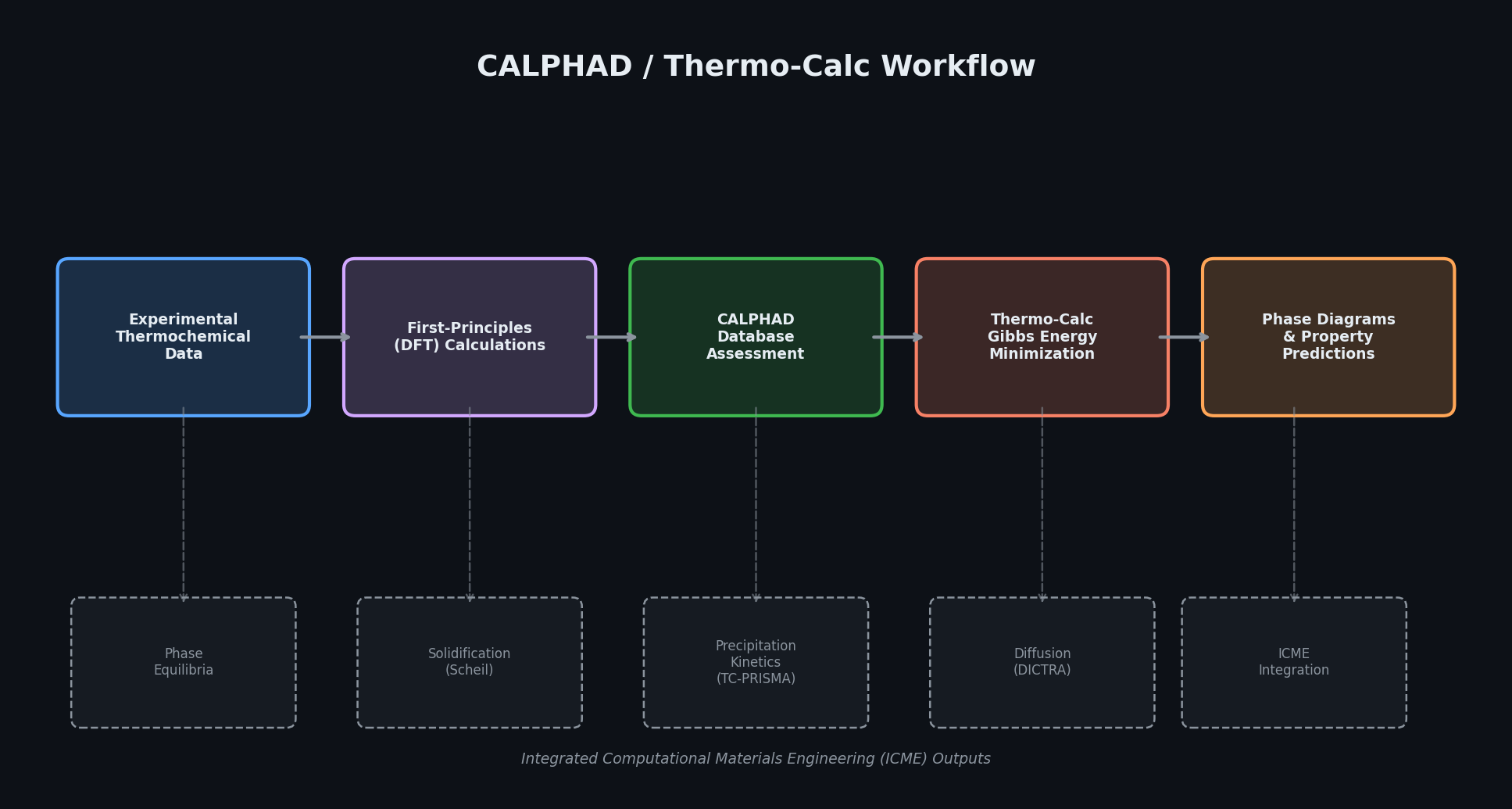
Thermo-Calc and the CALPHAD Method: Computational Alloy Design Through Thermodynamic Modeling

Thermo-Calc and the CALPHAD method enable engineers to predict phase equilibria, solidification behavior, and precipitation kinetics across complex multicomponent alloy systems without exhaustive experimentation. By coupling Gibbs energy minimization with curated thermodynamic databases, Thermo-Calc accelerates alloy design for steels, superalloys, aluminum alloys, and high-entropy alloys. This article explores the platform's core capabilities — from phase diagram calculation and Scheil solidification to DICTRA diffusion modeling and TC-PRISMA precipitation kinetics — along with best practices for production-quality CALPHAD workflows.

By Jeff 154 views
News

Abaqus 2025: Multi-GPU Acceleration, Advanced Wear Modeling, and Expanded Multiphysics Capabilities

Dassault Systèmes SIMULIA has released Abaqus 2025, delivering significant advances in solver performance, contact wear simulation, and multiphysics workflows. Key highlights include multi-GPU acceleration for the iterative sparse solver, DMP scalable eigensolvers for frequency and buckling analysis, and new surface tension modeling capabilities that open the door to solder reflow and microfluidics applications.

By Jeff 813 views
Article

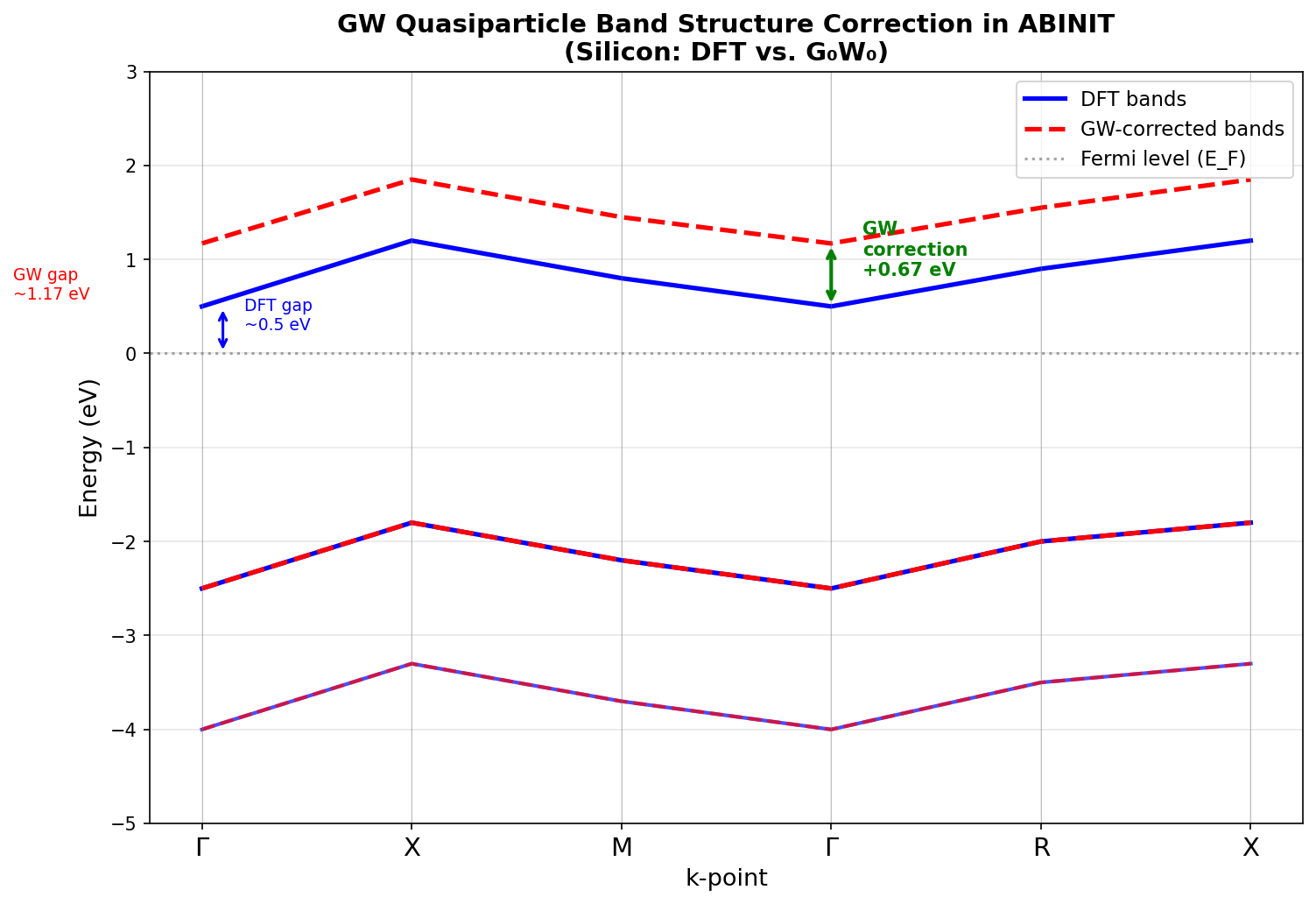
ABINIT: GW Quasiparticle Corrections and Phonon Dispersions with Many-Body Perturbation Theory

ABINIT is an open-source DFT package that uniquely combines production-ready GW and Bethe-Salpeter Equation (BSE) implementations with a robust DFPT engine for phonon dispersions and Born effective charges. This article explores how to set up G₀W₀ quasiparticle corrections, compute optical spectra beyond DFT, and extract phonon properties — all within a single, HPC-scalable workflow.

By Jeff 155 views
Article

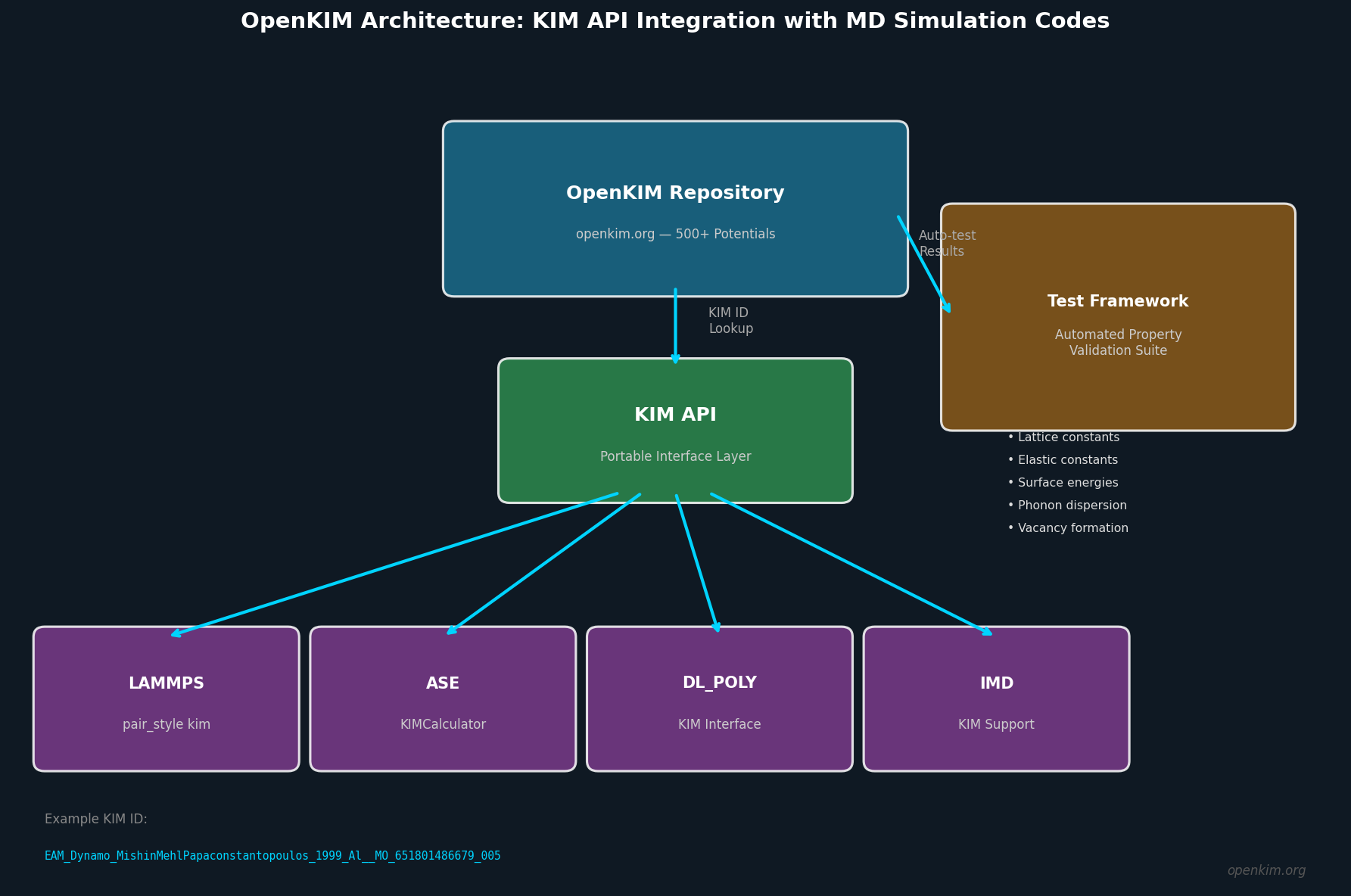
OpenKIM: Standardizing Interatomic Potentials for Reliable Molecular Dynamics Simulations

OpenKIM (Open Knowledgebase of Interatomic Models) provides a curated repository of hundreds of peer-reviewed interatomic potentials paired with an automated testing framework. By standardizing potential selection and validation through the KIM API, OpenKIM dramatically improves reproducibility and accuracy in molecular dynamics simulations. This article explores how to integrate OpenKIM with LAMMPS and other MD codes, interpret property test results, and adopt best practices for production-quality materials simulations.

By Jeff 239 views
News

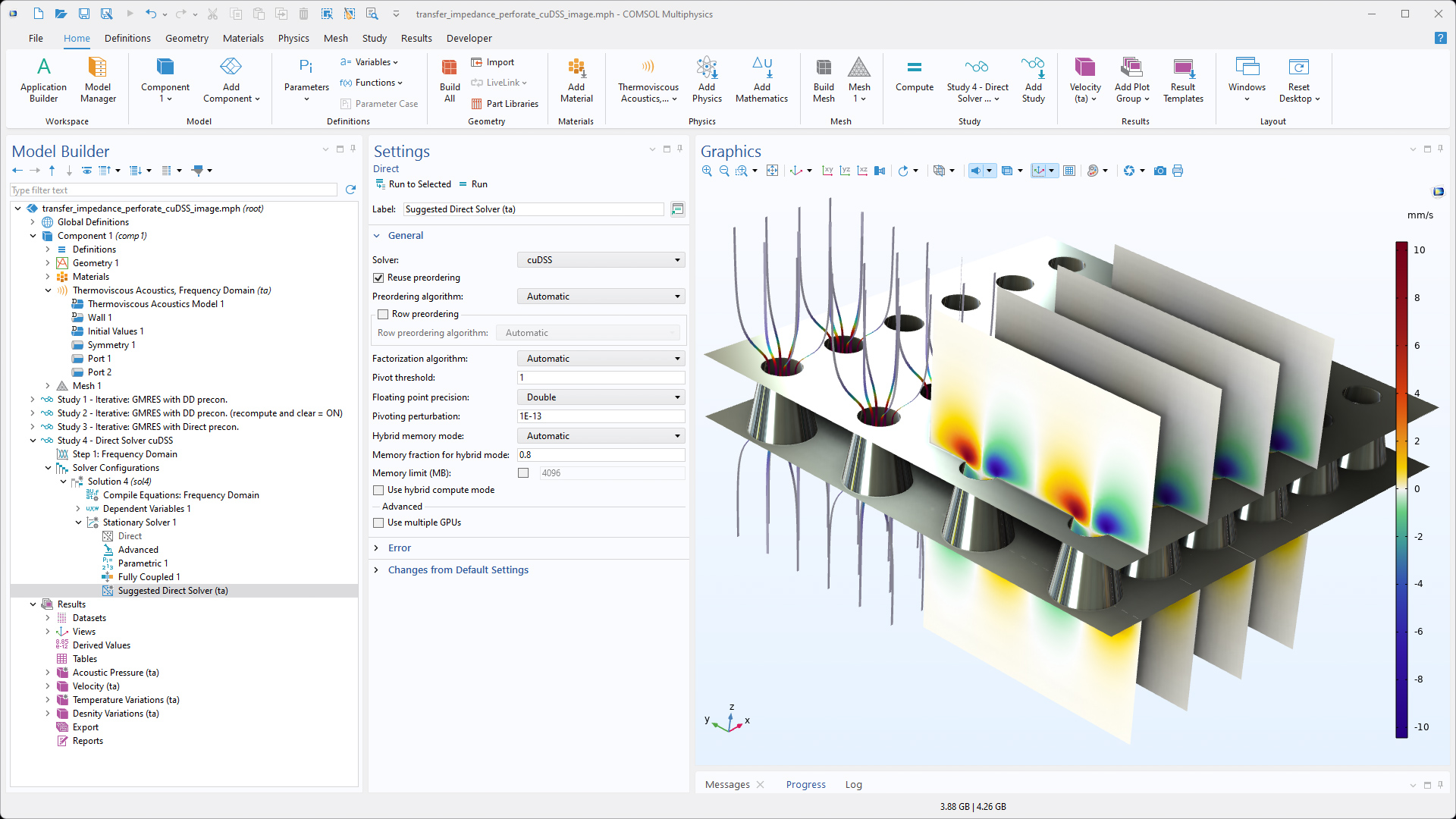
COMSOL Multiphysics 6.4 Delivers 5x GPU Speedup, New Granular Flow Module, and LLM-Assisted Simulation

COMSOL releases version 6.4 of its flagship multiphysics simulation platform, featuring NVIDIA cuDSS GPU acceleration delivering 5x speedups, a new DEM-based Granular Flow Module for pharmaceutical and chemical processing applications, a time-explicit dynamic analysis framework for impact and crash simulations, and optional LLM-assisted simulation via GPT-5, DeepSeek, and Google Gemini.

By Jeff 633 views
Article

OVITO: Advanced Visualization and Analysis for Atomistic Simulations

Discover OVITO, the leading open-source visualization and analysis platform for atomistic simulations. Learn how its advanced structural analysis, defect identification, and Python scripting capabilities transform raw MD and DFT data into actionable insights.

By Jeff 139 views