
Phase-Field Modeling in COMSOL Multiphysics: Simulating Microstructure Evolution
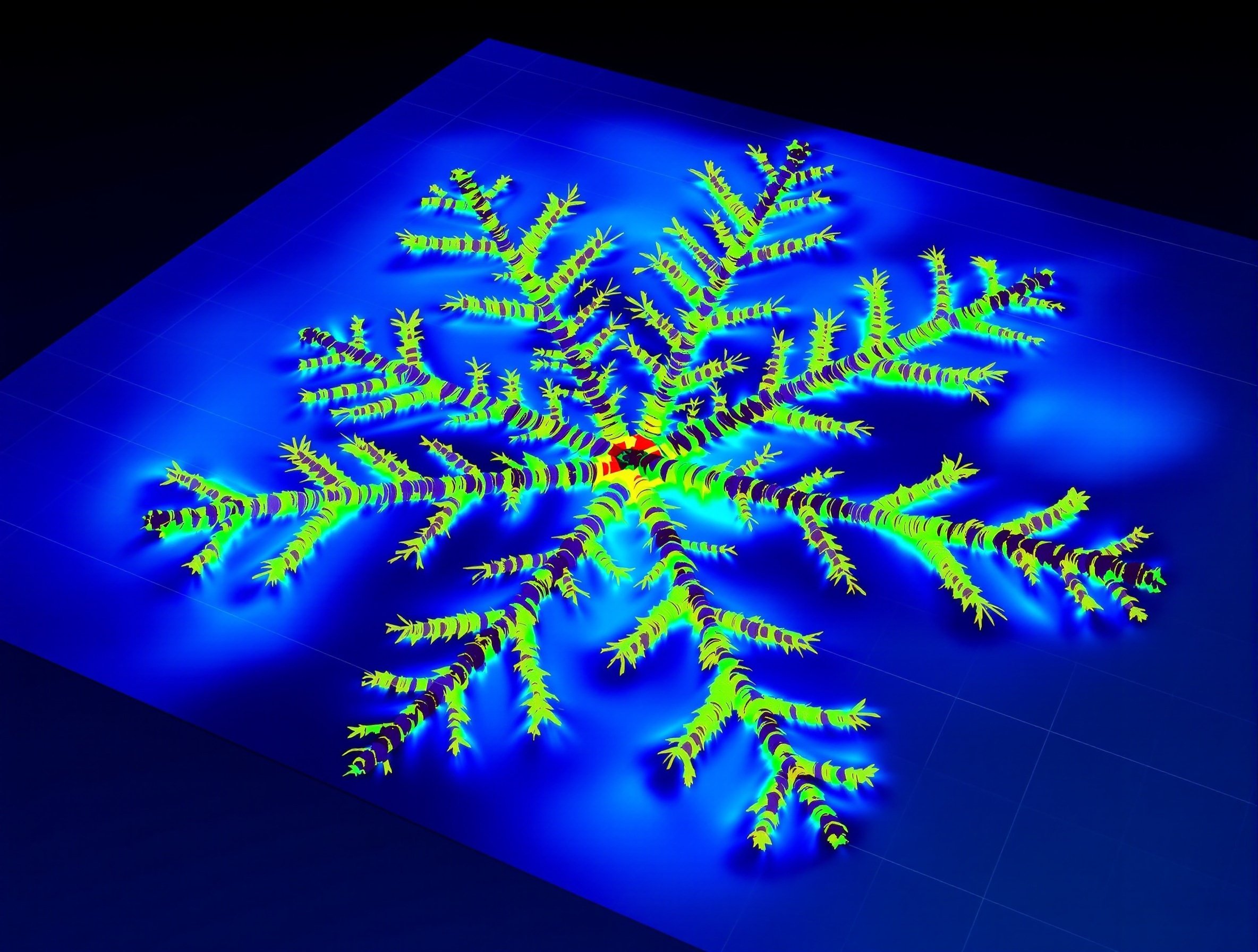
Phase-field modeling has emerged as a powerful computational approach for simulating microstructure evolution in materials science. COMSOL Multiphysics, with its dedicated Phase-Field interface, provides engineers and researchers with sophisticated tools to model complex phenomena such as solidification, grain growth, and phase transformations without explicitly tracking interfaces.
Understanding the Phase-Field Method
The phase-field method represents interfaces as diffuse regions characterized by continuous order parameters rather than sharp boundaries. This approach eliminates the need for complex interface tracking algorithms and naturally handles topological changes like grain coalescence or dendrite branching. In COMSOL's implementation, the Cahn-Hilliard and Allen-Cahn equations form the mathematical foundation, enabling users to model both conserved (composition) and non-conserved (structural) order parameters.
Key Capabilities in COMSOL's Phase-Field Module
COMSOL's Phase-Field interface excels at coupling multiple physics domains. Users can simultaneously solve for temperature fields, concentration gradients, and mechanical stresses alongside phase evolution equations. This multiphysics coupling is essential for realistic materials simulations where thermal, chemical, and mechanical effects interact.

The software provides pre-built formulations for common scenarios including binary and ternary alloy solidification, spinodal decomposition, and grain boundary migration. The interface mobility and gradient energy parameters can be calibrated to match experimental observations or atomistic simulation data, bridging length scales from nanometers to millimeters.
Practical Applications and Best Practices
One particularly powerful application is simulating dendritic solidification in metal casting. By coupling the phase-field equations with heat transfer, engineers can predict dendrite arm spacing, microsegregation patterns, and solidification defects. The adaptive mesh refinement capabilities in COMSOL ensure computational efficiency by concentrating grid points near evolving interfaces.
For grain growth simulations, COMSOL supports multi-order parameter models where each grain is represented by a distinct phase-field variable. This approach accurately captures grain boundary energies, triple junction dynamics, and abnormal grain growth phenomena. Researchers studying recrystallization or sintering processes benefit from the ability to initialize complex polycrystalline structures and track statistical grain size distributions over time.
Computational Considerations
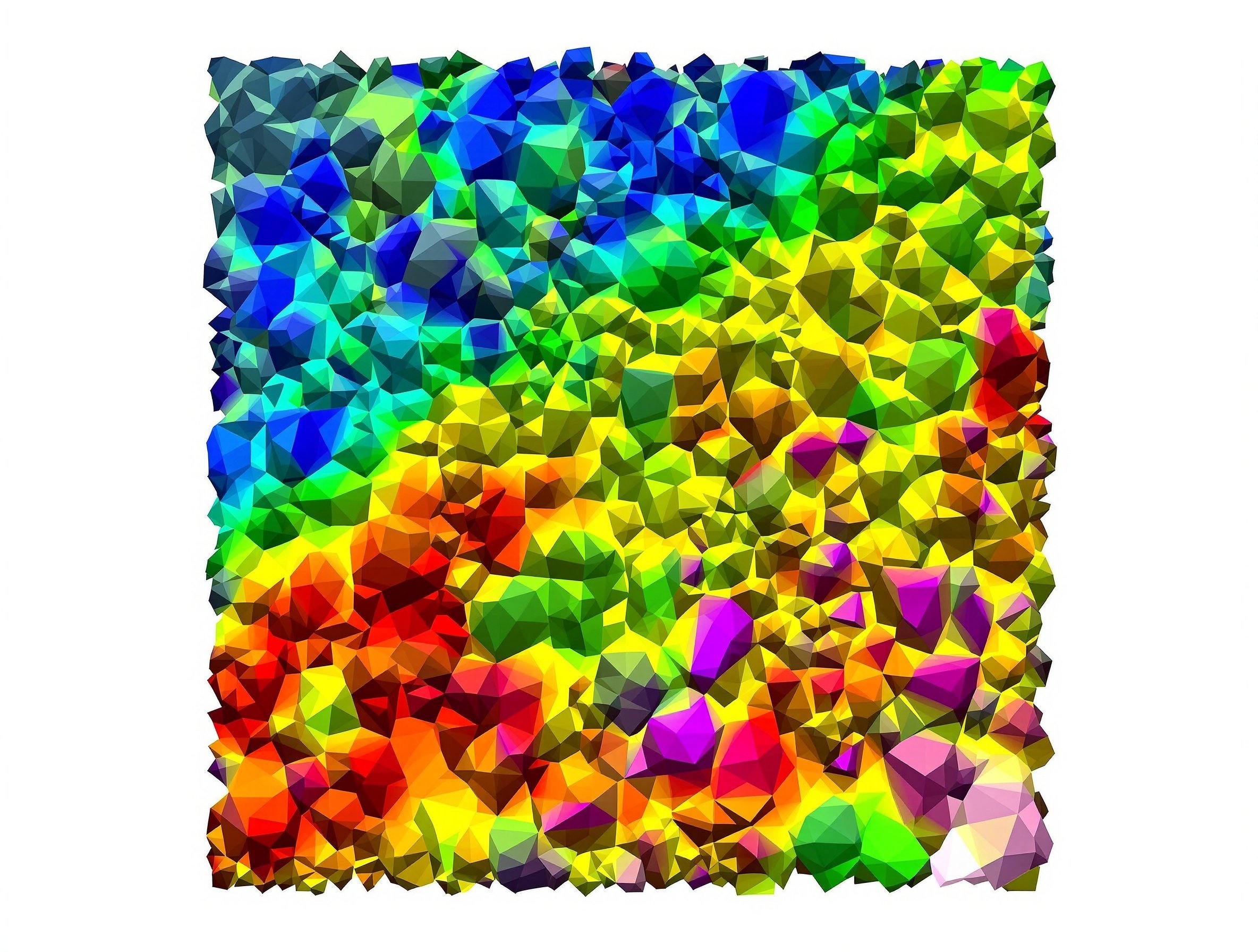
Phase-field simulations are computationally intensive, requiring careful attention to spatial and temporal resolution. The interface width parameter must be large enough to resolve on the computational mesh (typically 3-5 grid points) while remaining small compared to characteristic microstructural features. COMSOL's automatic time-stepping algorithms help maintain numerical stability while adapting to the varying time scales of interface motion.
For large-scale simulations, parallel computing capabilities become essential. COMSOL supports distributed memory parallelization, enabling simulations across multiple compute nodes. Users should also leverage the software's checkpoint/restart functionality for long-running calculations.
Integration with Experimental Validation
Modern materials research demands tight integration between simulation and experiment. COMSOL facilitates this through its ability to import experimental microstructures from EBSD or microscopy data as initial conditions. The software can also export simulation results in formats compatible with materials databases and machine learning workflows, supporting data-driven materials design approaches.
The Phase-Field interface includes built-in post-processing tools for calculating key metrics like interface velocity, local curvature, and phase fractions. These quantities can be directly compared with in-situ characterization techniques such as synchrotron X-ray imaging or high-temperature microscopy.
Future Directions
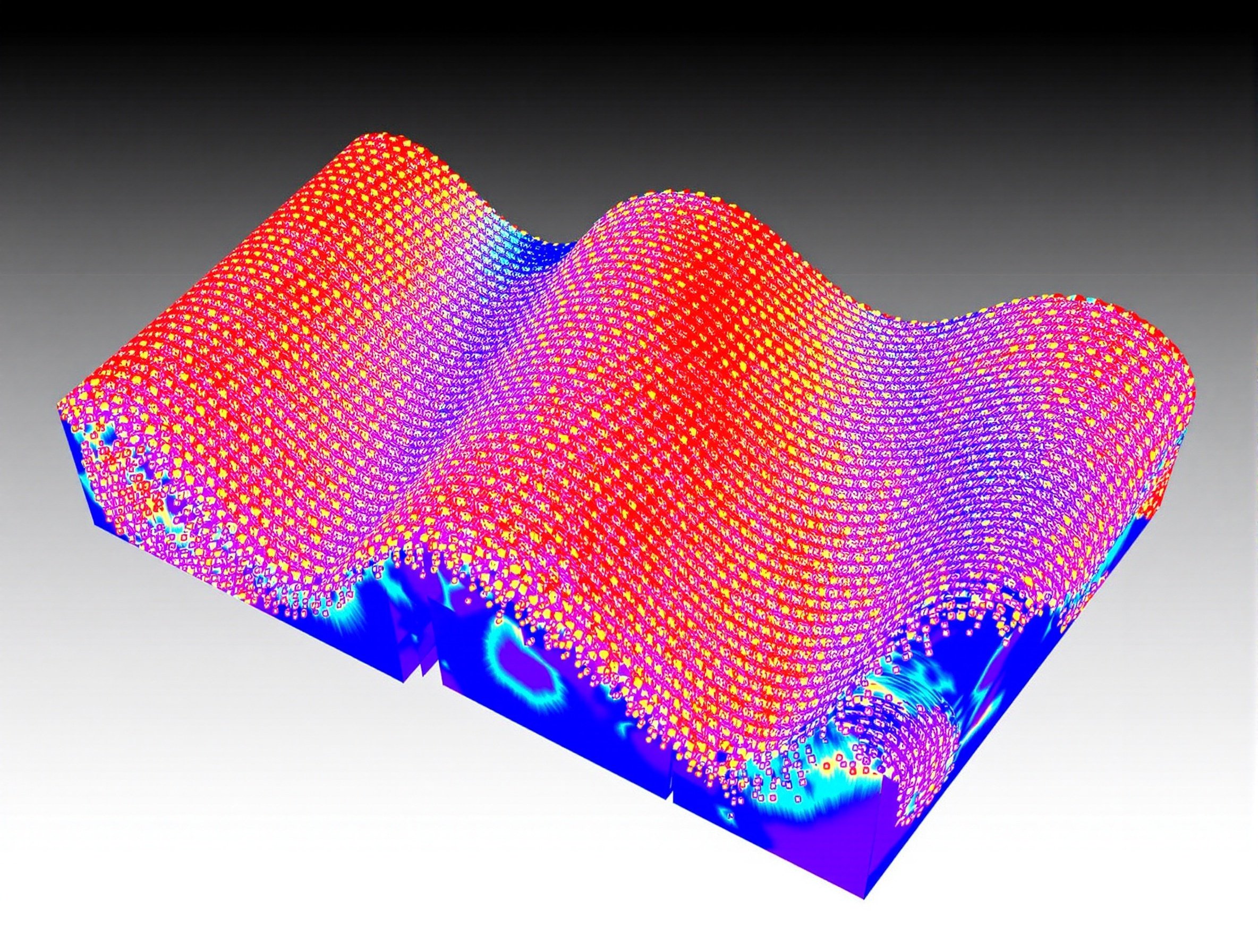
As computational power increases, phase-field modeling in COMSOL is expanding toward larger systems and longer time scales. Recent developments include grand potential formulations for multicomponent systems and quantitative phase-field models that eliminate artificial interface kinetics. The integration with COMSOL's optimization and parameter estimation modules also enables inverse problems, where material properties are extracted from experimental microstructure evolution data.
For researchers and engineers working on materials design, additive manufacturing process optimization, or microstructure-property relationships, COMSOL's Phase-Field interface provides a mature, well-documented platform that balances physical rigor with practical usability.