
Cradle CFD 2026.1: GPU-Native scFAST, Linux Solvers, Laser Welding Advances, and New AI Capabilities
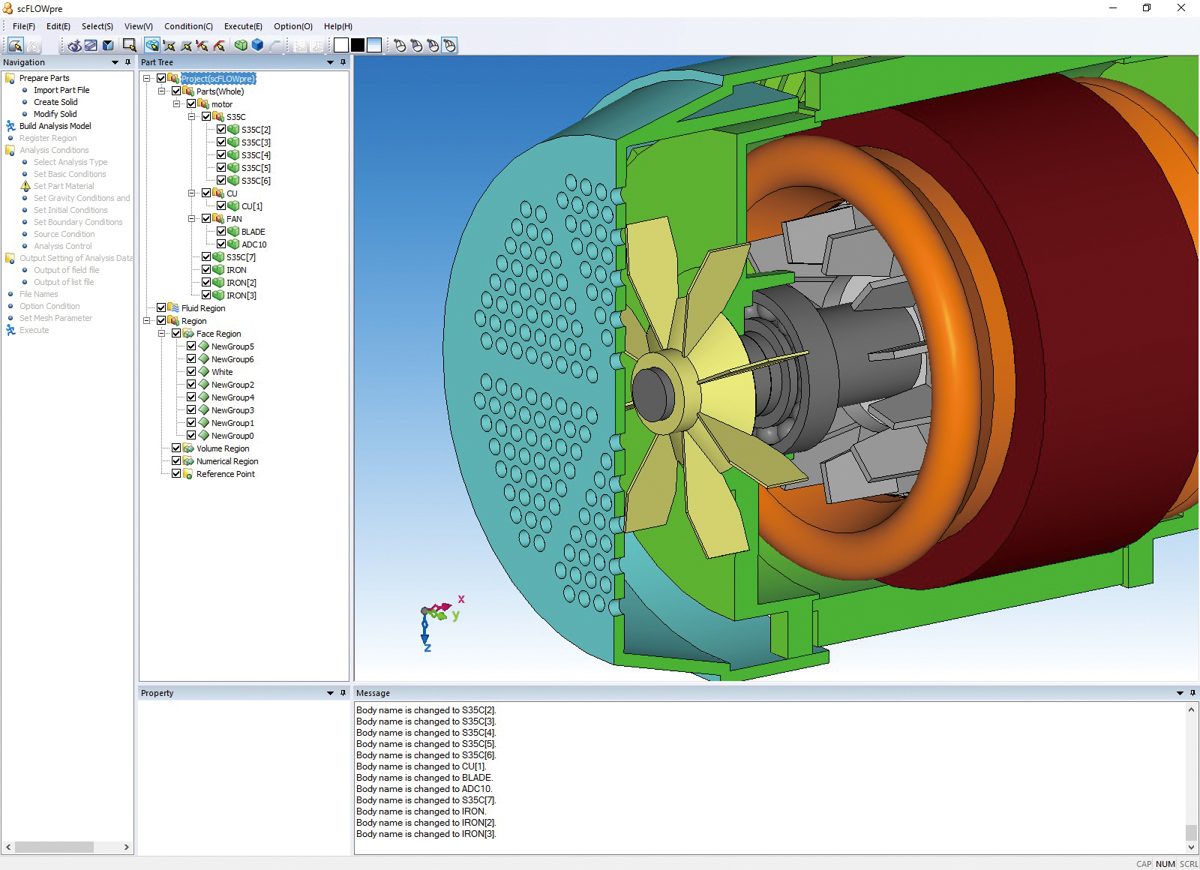
Cadence has released Cradle CFD 2026.1, a version of its multiphysics CFD suite that focuses on GPU-native computing, Linux deployment, laser welding simulation and new AI capabilities. The release, announced in July 2026, covers the scFLOW, scSTREAM, scFAST and SC/Tetra products.
GPU-Native Computing with scFAST
The release further develops scFAST, the GPU-native solver in the Cradle family, aiming to deliver substantial speed-ups compared with CPU-based runs. GPU-resident solvers avoid host-device transfer overhead, which suits large transient models where turnaround time is the main constraint. On Linux, scFAST is documented as supporting data-center NVIDIA GPUs: A100, H100, H200 and B200 on x64, and GH200 and GB200 on AArch64, with NVIDIA Linux driver 575.57.08 or later. Graphics-oriented GPUs such as the RTX series are not supported for scFAST.
Official Linux Support
Cradle CFD 2026.1 adds support for Linux environments on both x64 and AArch64. Supported distributions are Red Hat Enterprise Linux 8 (8.10) and 9 (9.6), SUSE Linux Enterprise Server 15 SP7, and Ubuntu 24.04. Coverage varies by product:

- scFLOW: Solver, Monitor, and the meshing function of the Preprocessor
- scSTREAM: Solver and Monitor
- SC/Tetra: Solver, Monitor, and the meshing function of the Preprocessor
This lets teams run solvers on cluster and cloud infrastructure that is Linux-based, and fits batch-oriented workflows. Model setup and post-processing stay on Windows.
Improved Laser Welding Simulation
scSTREAM gains enhanced laser welding capabilities. Engineers can predict the formation of air pockets and tune laser intensity, travel speed and beam path to reduce defects. Related changes in the 2026.1 multiphase framework include non-equilibrium treatment of solidification and melting, which solves separate energy equations for each phase to improve the accuracy of mass and energy transfer.
New AI Capabilities
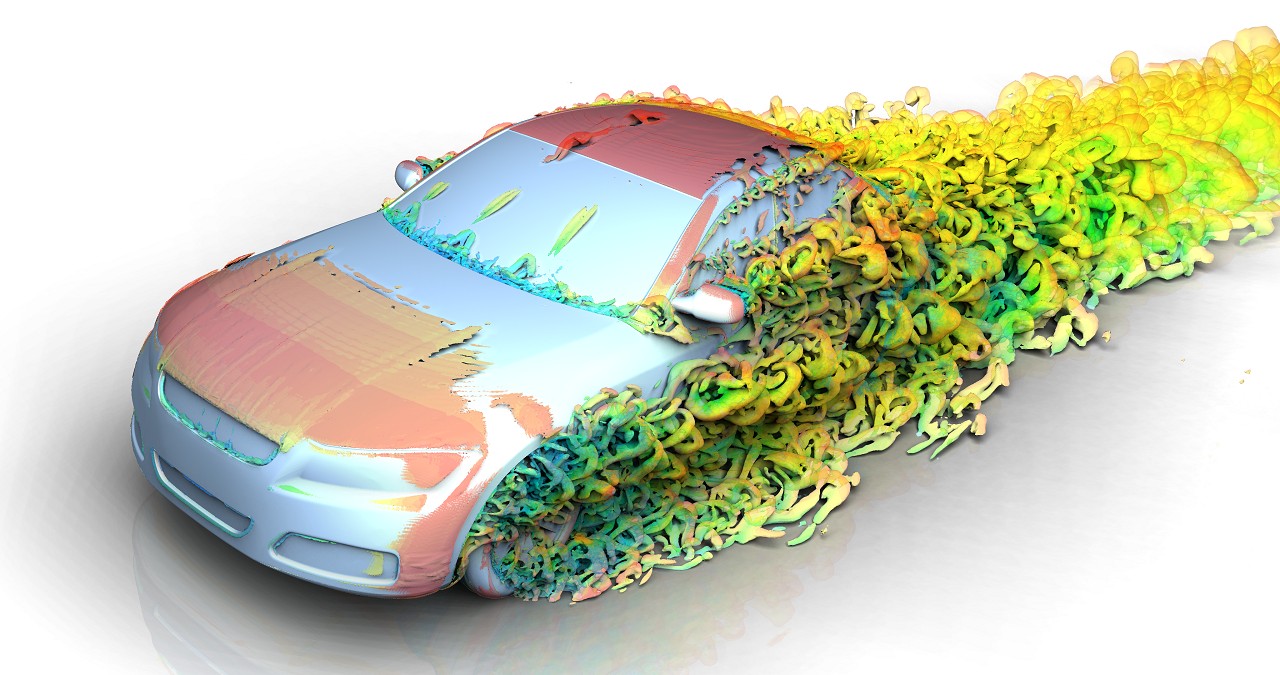
The release adds new AI-driven features to support simulation workflows and data analysis. Cadence describes them at a high level, so check the release notes for details on scope and licensing before planning a deployment.
Why It Matters
For thermal and fluid engineers in electronics, automotive and manufacturing, the combination of GPU-native solving and Linux support makes it easier to scale Cradle CFD on modern HPC hardware. The laser welding work matters to process engineers who want to find porosity risks virtually before physical trials.