
Advanced Conveyor Modeling in Simio: Optimizing Material Handling Systems
Material handling conveyors represent one of the most critical yet complex elements in modern manufacturing facilities. While basic conveyor simulation is straightforward, accurately modeling real-world conveyor behavior—including accumulation zones, merge conflicts, and dynamic routing—requires sophisticated capabilities. Simio's advanced conveyor modeling framework provides manufacturing engineers with the tools to capture these nuances and optimize material flow with unprecedented precision.
The Challenge of Realistic Conveyor Simulation
Traditional discrete event simulation tools often treat conveyors as simple transport mechanisms with fixed speeds and capacities. However, real manufacturing conveyors exhibit complex behaviors: products accumulate when downstream processes are blocked, merge points create contention, and recirculation loops add non-linear dynamics. These behaviors significantly impact throughput, work-in-process inventory, and system responsiveness.
Simio addresses these challenges through its object-oriented conveyor framework, which models conveyors as intelligent entities with built-in logic for accumulation, spacing, and collision avoidance. Unlike simplified approaches, Simio conveyors maintain awareness of entity positions, velocities, and inter-entity gaps in real-time.

Key Capabilities for Manufacturing Applications
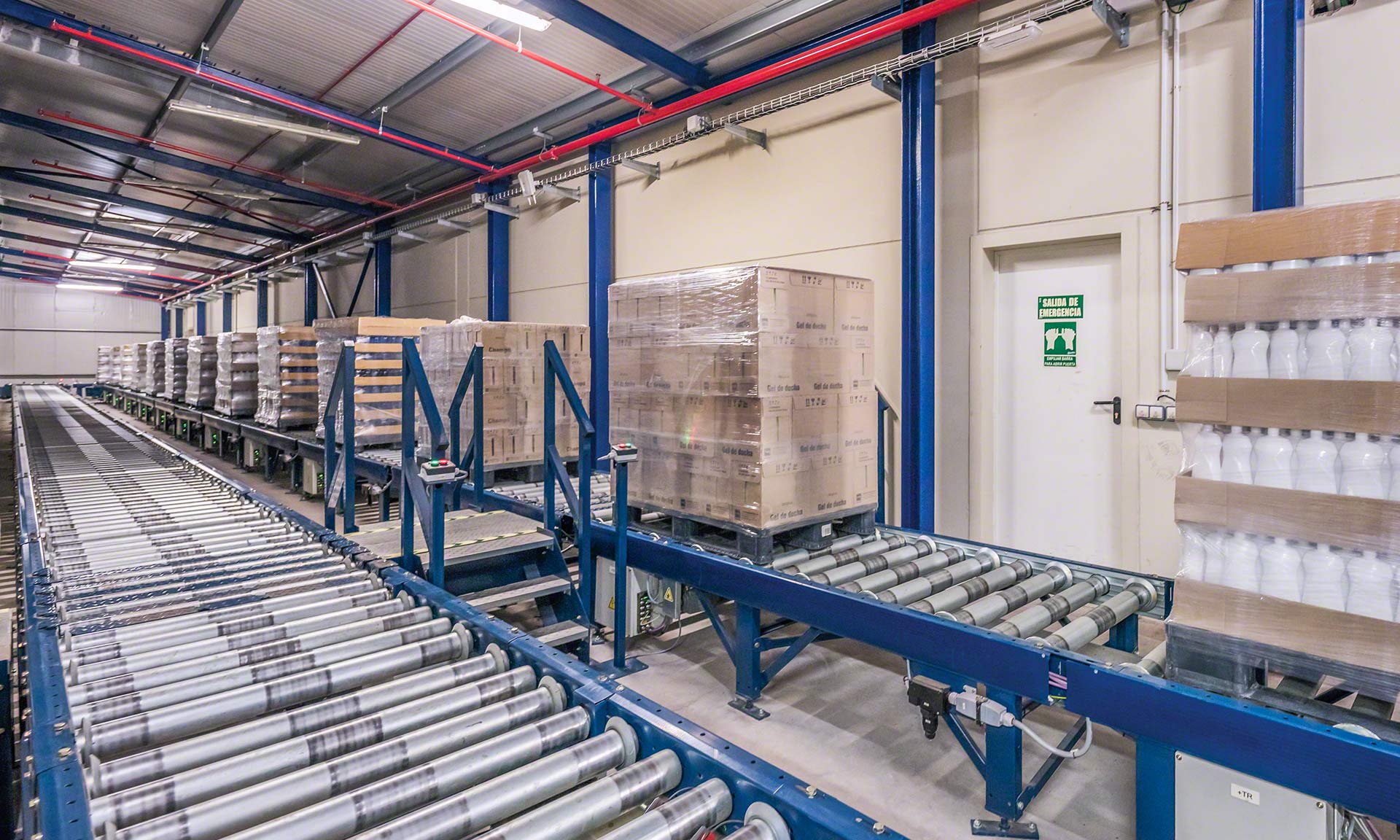
Accumulation and Release Logic: Simio's conveyor objects support multiple accumulation modes—zero-pressure, minimum-pressure, and full-pressure accumulation. Zero-pressure accumulation maintains spacing between products to prevent contact, critical for delicate assemblies or painted surfaces. Minimum-pressure allows controlled contact for efficient space utilization, while full-pressure accumulation maximizes density for buffer zones. Engineers can specify accumulation behavior per conveyor segment, matching actual equipment characteristics.
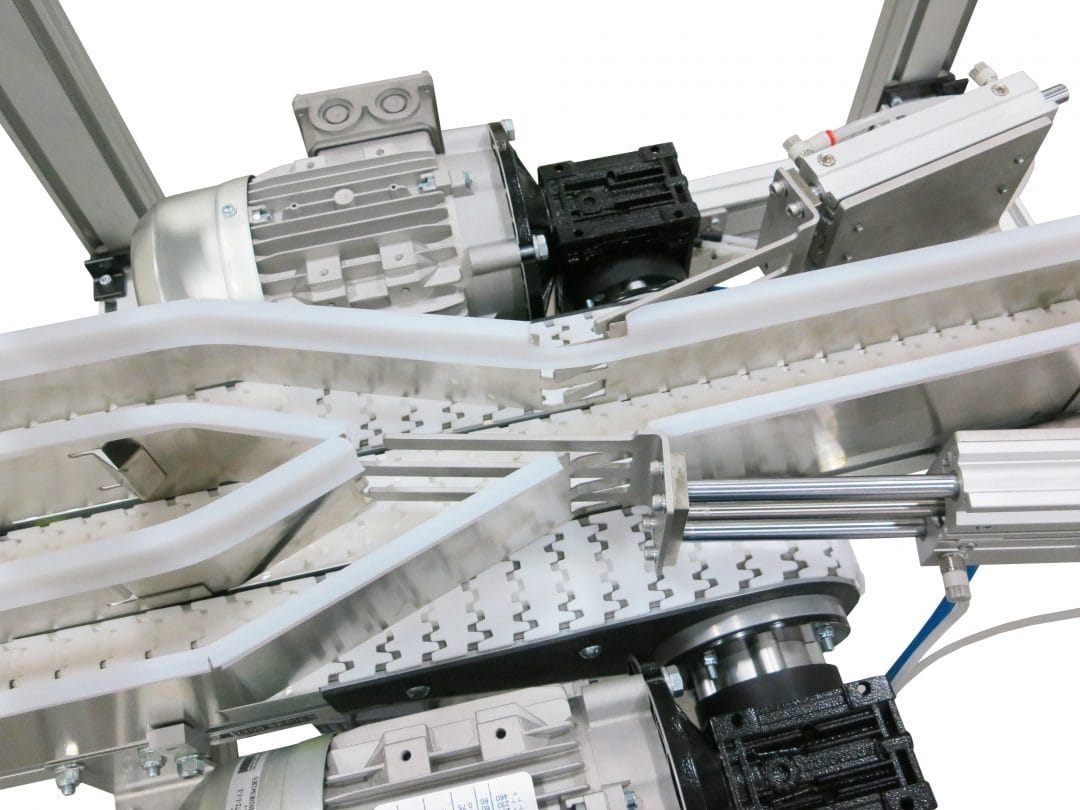
Dynamic Routing and Diverters: Manufacturing lines frequently require products to be routed to different destinations based on product type, quality status, or downstream availability. Simio's conveyor network supports dynamic routing through diverter objects that make real-time decisions based on entity attributes and system state. This enables accurate modeling of sortation systems, quality inspection loops, and flexible assembly routing.
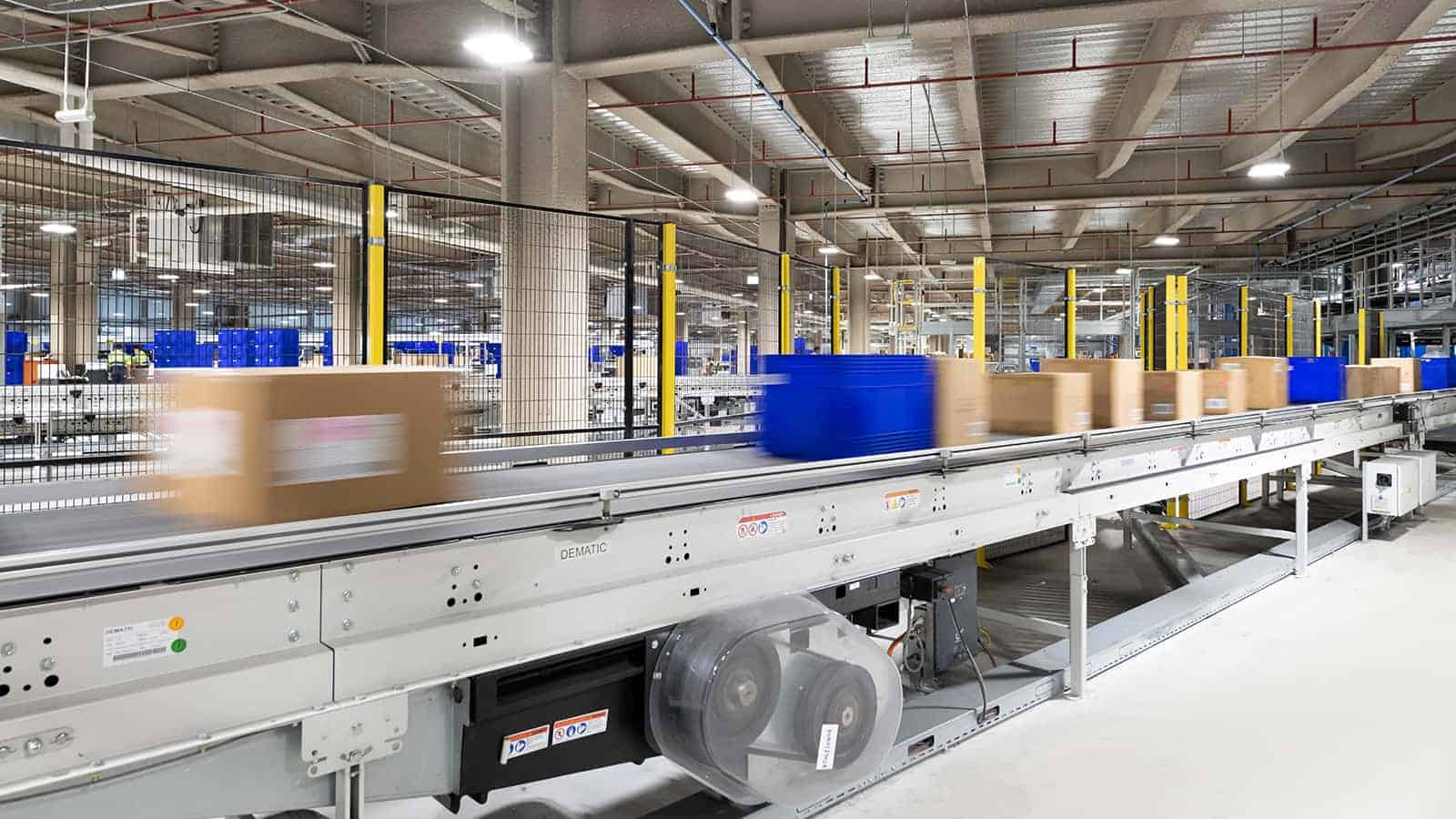
Merge Point Optimization: When multiple conveyor lines converge, merge conflicts can create significant bottlenecks. Simio provides sophisticated merge logic with configurable priority rules, gap detection, and speed adjustment. The simulation tracks entity arrival patterns and automatically adjusts merge timing to minimize disruption, allowing engineers to evaluate different merge strategies and physical configurations.
Integration with Process Logic: Conveyors don't operate in isolation—they interact with workstations, buffers, and control systems. Simio's conveyor framework seamlessly integrates with process models, allowing entities to transfer between conveyors and stations while maintaining state information. This enables end-to-end simulation of production lines where conveyor performance directly impacts process utilization and cycle times.
Practical Implementation Approach
When implementing advanced conveyor models in Simio, start by mapping the physical layout with accurate distances and speeds. Define accumulation zones based on actual equipment specifications—many modern conveyors use photo-eye sensors with specific spacing requirements that should be reflected in the model. Configure merge points with realistic gap requirements, typically 1.5-2x the product length to ensure smooth operation.
For validation, compare simulated conveyor utilization and entity transit times against historical data from your manufacturing execution system (MES). Simio's built-in statistics automatically track conveyor segment utilization, entity wait times, and throughput rates. Discrepancies often reveal hidden behaviors like informal accumulation zones or operator interventions that should be incorporated into the model.
Performance Optimization Strategies
Advanced conveyor models can become computationally intensive with hundreds of entities and complex routing logic. Simio optimizes performance through intelligent event scheduling—only entities near decision points or state changes require active processing. For large-scale models, consider using Simio's hierarchical modeling to encapsulate conveyor subsystems, reducing visual complexity while maintaining simulation fidelity.
When analyzing results, focus on conveyor segment utilization patterns and entity residence time distributions. High utilization (>85%) on accumulation zones indicates potential bottlenecks, while low utilization suggests over-capacity. Simio's pivot grid and heat map visualizations help identify problematic segments quickly.
Conclusion
Simio's advanced conveyor modeling capabilities enable manufacturing engineers to move beyond simplified transport assumptions and capture the true complexity of material handling systems. By accurately representing accumulation behavior, merge conflicts, and dynamic routing, these models provide reliable insights for capacity planning, layout optimization, and control system design. As manufacturing systems become increasingly automated and interconnected, the ability to simulate conveyor networks with high fidelity becomes essential for competitive operations.
For organizations implementing new conveyor systems or optimizing existing lines, investing time in detailed Simio conveyor models pays dividends through reduced commissioning time, improved throughput predictions, and validated control strategies. The framework's flexibility supports both greenfield design and brownfield optimization, making it a versatile tool for continuous improvement initiatives.
Further Resources
- Simio LLC Official Documentation: Conveyor Modeling Guide
- Material Handling Industry of America (MHIA): Conveyor System Design Standards
- Simio User Forum: Advanced Conveyor Techniques