AquaCrop: FAO's Crop-Water Productivity Model for Precision Irrigation Planning
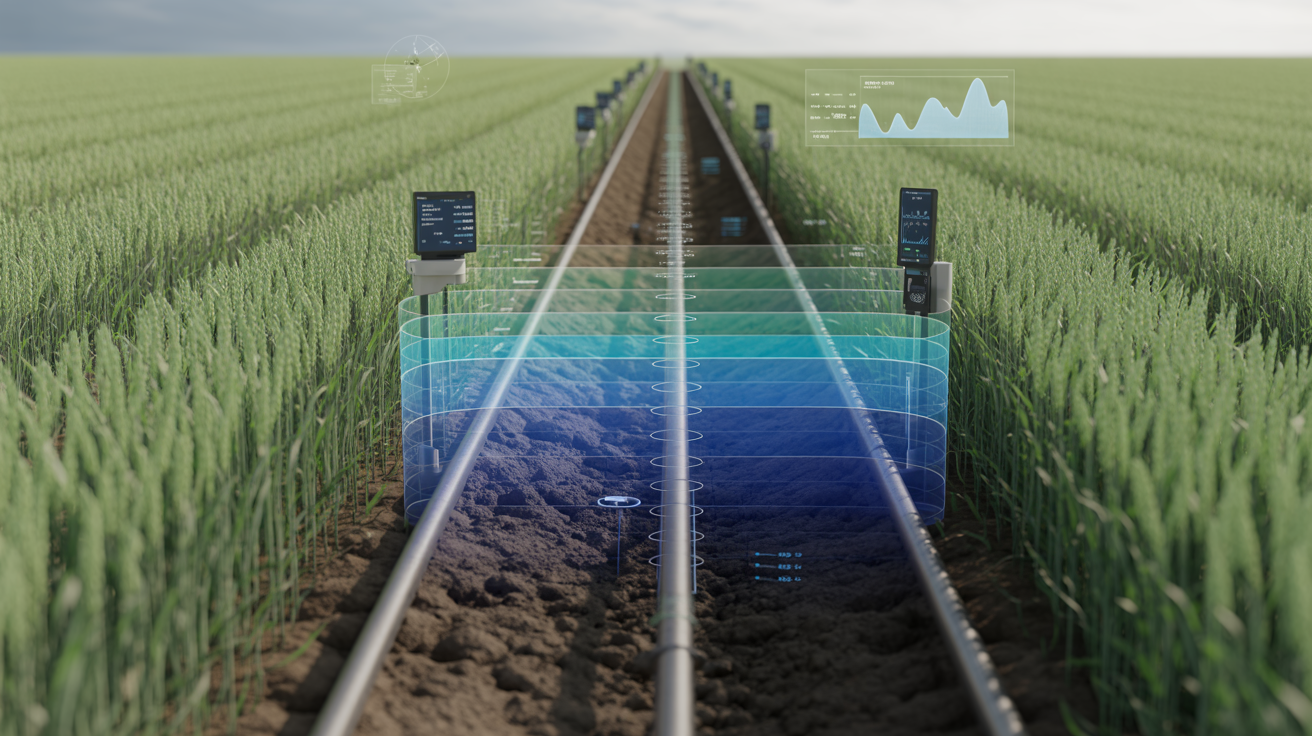
In an era where water scarcity threatens agricultural productivity worldwide, the Food and Agriculture Organization (FAO) of the United Nations has developed AquaCrop—a sophisticated yet accessible crop-water productivity model that's transforming how professionals approach irrigation planning and water management.
What Is AquaCrop?
AquaCrop is a water-driven crop simulation model designed specifically to predict the yield response of herbaceous crops to water availability. Developed by the FAO's Land and Water Division, this model strikes a critical balance between simplicity and accuracy, making it practical for diverse users ranging from irrigation consultants and agricultural researchers to water resource managers and policy analysts.
Unlike traditional crop models that require extensive input data, AquaCrop operates with a relatively small number of intuitive parameters, reducing the barrier to entry while maintaining robust predictive capabilities. This design philosophy makes it particularly valuable in developing regions where detailed agricultural data may be limited.

Technical Capabilities for Crop-Water Productivity
At the core of AquaCrop's effectiveness is its water-driven growth engine. The model calculates crop transpiration first, then converts it into biomass using a normalized biomass water productivity parameter. This approach excels in water-limited conditions where water is the primary yield constraint.
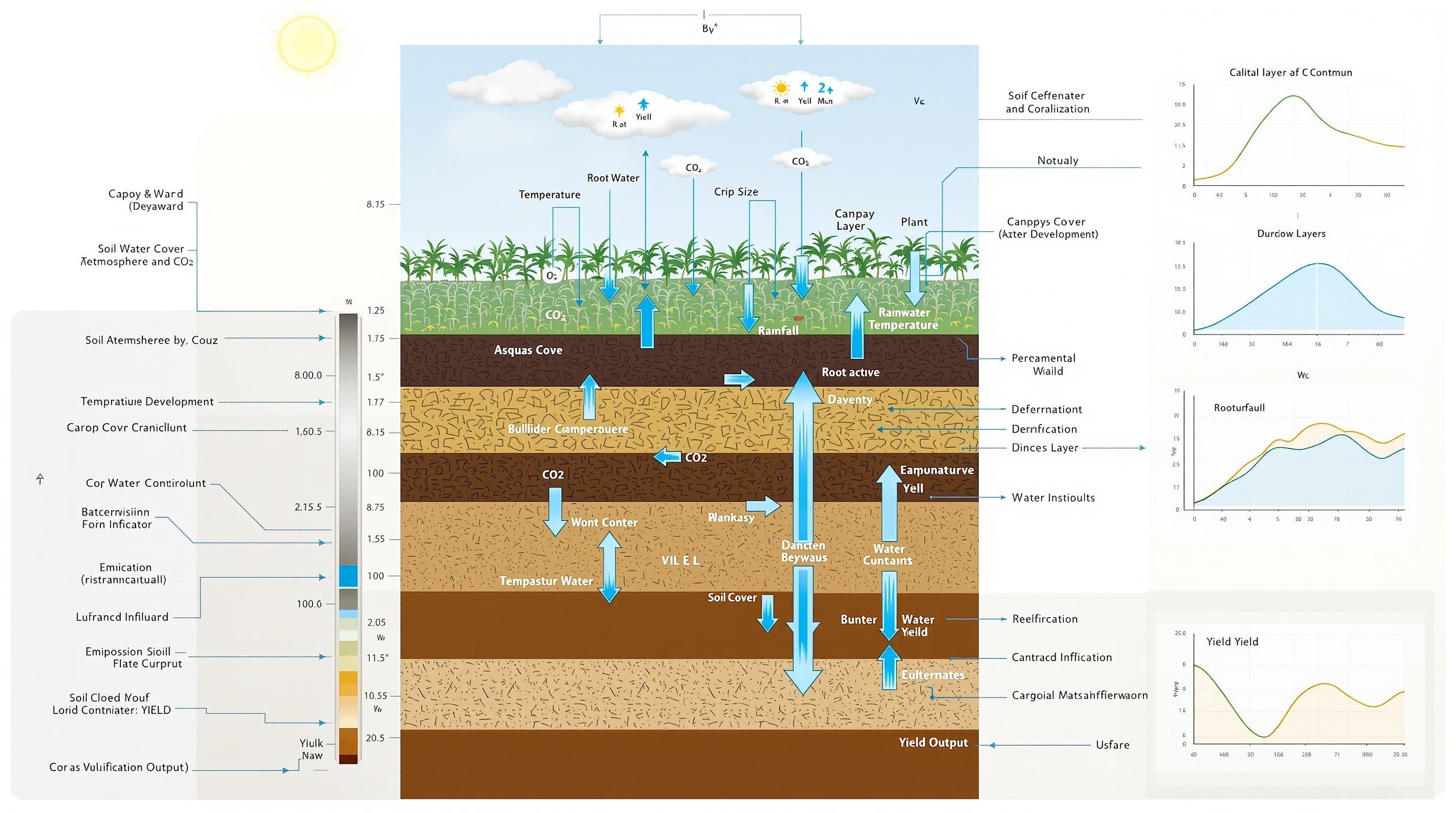
AquaCrop employs canopy ground cover rather than Leaf Area Index (LAI) to calculate transpiration, which allows for more effective separation of productive crop transpiration from non-productive soil evaporation. This distinction is crucial for developing strategies to improve water use efficiency—a key consideration in precision irrigation planning.
The model performs daily soil water balance calculations by tracking incoming and outgoing water fluxes in the root zone. It simulates the impact of various stresses on crop growth and yield, including water stress, temperature stress, and soil fertility limitations. Importantly, AquaCrop adjusts the harvest index based on water stress levels, enabling more accurate yield predictions under water-deficit conditions.
One of AquaCrop's most powerful features is its use of a normalized biomass water productivity (WP*) parameter that remains constant for a given crop. This consistency allows the model to be applied across different locations, seasons, and even future climate scenarios, providing professionals with a versatile tool for long-term planning.
Irrigation Planning Applications
For irrigation professionals, AquaCrop offers practical applications that directly address real-world challenges:
Irrigation Scheduling: The model generates optimal irrigation schedules designed to maximize both yield and water productivity. By simulating crop response to various irrigation scenarios, professionals can identify the most efficient water application strategies.
Deficit Irrigation Management: AquaCrop is particularly well-suited for evaluating and implementing deficit irrigation strategies—controlled water stress techniques that are critical in water-scarce areas. The model helps determine when and how much to reduce irrigation to optimize the yield-per-water-unit ratio.
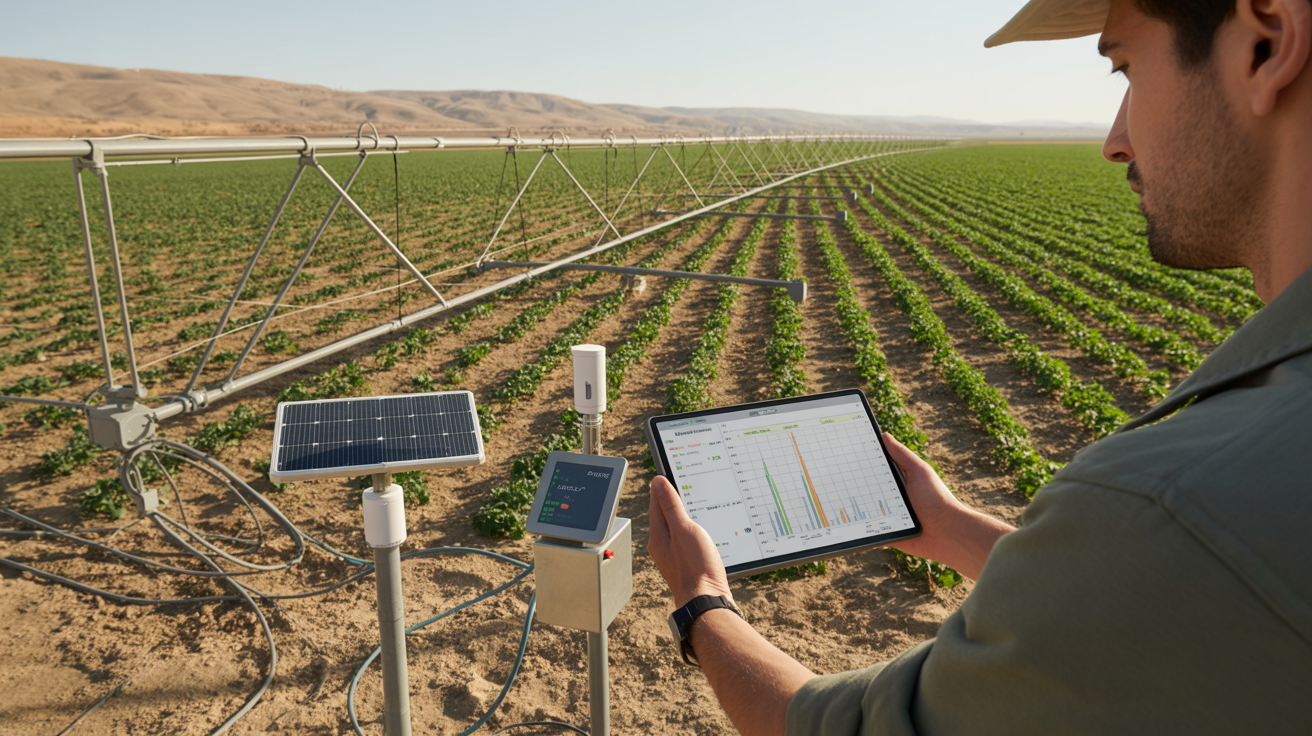
Climate Adaptation: As climate patterns shift, AquaCrop enables assessment of future crop water requirements and the development of adaptation strategies to maintain agricultural productivity under changing conditions.
Proven Value in Water-Scarce Agriculture
AquaCrop has been successfully deployed in water-scarce regions globally. Researchers and consultants have used it to optimize irrigation for crops including cotton, maize, potato, and wheat in arid and semi-arid environments. The model has proven effective in evaluating water-saving strategies such as mulching and rainwater harvesting, and it provides the analytical foundation for policy decisions related to water allocation in stressed basins.
Professional Implementation
The AquaCrop software is freely available from the FAO and runs on Windows, Linux, and Mac operating systems. Its graphical user interface (GUI) and streamlined parameter set make it accessible to professionals without extensive modeling experience, while its scientific rigor satisfies the requirements of research applications.
For irrigation consultants, AquaCrop provides a credible basis for developing evidence-based irrigation recommendations. Agricultural researchers can use it to study water stress impacts and develop innovative water-saving technologies. Water resource managers gain a tool for assessing agricultural water demand and crafting sustainable management plans.
Getting Started
To explore AquaCrop's capabilities, visit the official FAO AquaCrop website, where you'll find software downloads, training handbooks, and comprehensive documentation. The AquaCrop training materials provide step-by-step guidance, and the Quantitative-Plant.org resource offers additional technical insights.
In a world where every drop counts, AquaCrop empowers professionals to make informed decisions that enhance crop productivity while conserving precious water resources.