Siemens Revolutionizes Engineering Simulation with Major Simcenter Portfolio Updates
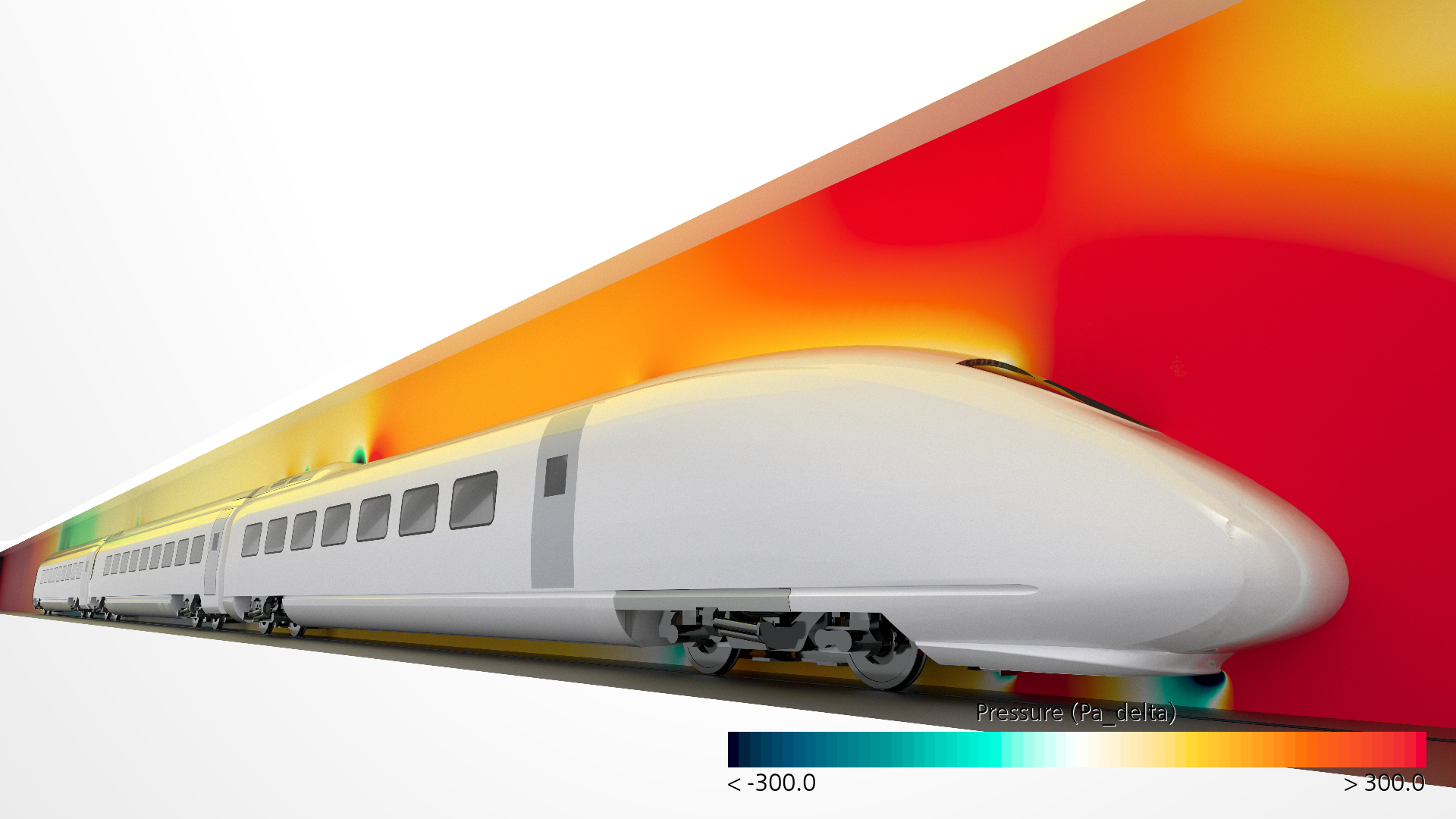
Breakthrough Automation in Aerostructure Analysis
The centerpiece of Siemens' latest release is the revolutionary automation of aerostructure analysis workflows. The updated Simcenter platform now automatically generates free-body diagrams and margin of safety (MoS) calculations, addressing one of the most time-consuming aspects of aerospace certification. This automation enables engineers to efficiently evaluate load paths across complex aircraft models and perform full-envelope MoS analysis without relying on costly proprietary tools.
Jean-Claude Ercolanelli, Senior Vice President of Simulation and Test Solutions at Siemens Digital Industries Software, emphasized the transformative nature of these updates: "These tools drive innovation, improve efficiency, and support a more sustainable and connected future, fundamentally transforming engineering simulation."
The technical breakthrough lies in the advanced load idealization capabilities introduced in Simcenter 3D version 2506. Previously, analyzing flat panel buckling under combined longitudinal, shear, and bending loads required labor-intensive Nodal Force Reports at every node. The new system leverages Grip Point forces and moments to create custom flat panels with bending nodes, streamlining the integration of virtually any finite element result-based method into margin of safety analysis.

Integrated E-Drive Workflow for Electric Vehicle Optimization
Recognizing the automotive industry's rapid shift toward electrification, Siemens has developed a fully integrated workflow for electric vehicle performance optimization. The enhanced Acoustic Transfer Vector (ATV) approach now incorporates poro-elastic materials within acoustic encapsulations, enabling fast and accurate multi-RPM noise radiation predictions. This capability is crucial for addressing the growing demand for Noise, Vibration, and Harshness (NVH) improvements in electric vehicles.
The integration extends to axial flux motor simulation, where engineers can rapidly create lightweight designs using Simcenter E-Machine Design software before seamlessly transitioning to comprehensive 3D simulations in Simcenter 3D. This workflow covers electromagnetic, thermal, and mechanical performance assessments within a single, cohesive environment, significantly reducing development time and improving design accuracy.
Advanced Manufacturing and Collaboration Enhancements
The 2025 updates deliver remarkable efficiency gains in additive manufacturing simulations, achieving a 200% speed increase through voxel mesh improvements. This acceleration is particularly valuable for rapid prototyping and production cycles in advanced manufacturing environments. Additionally, the platform introduces position-dependent inherent strains capabilities, allowing for more accurate distortion predictions across build plates through advanced automatic material calibration procedures.
Collaboration receives significant attention with centralized model data management and streamlined transfers of load and boundary conditions. The new "collaborative simulation with editable entities" feature allows users to break links and edit imported entities, providing greater flexibility in multi-disciplinary engineering environments.
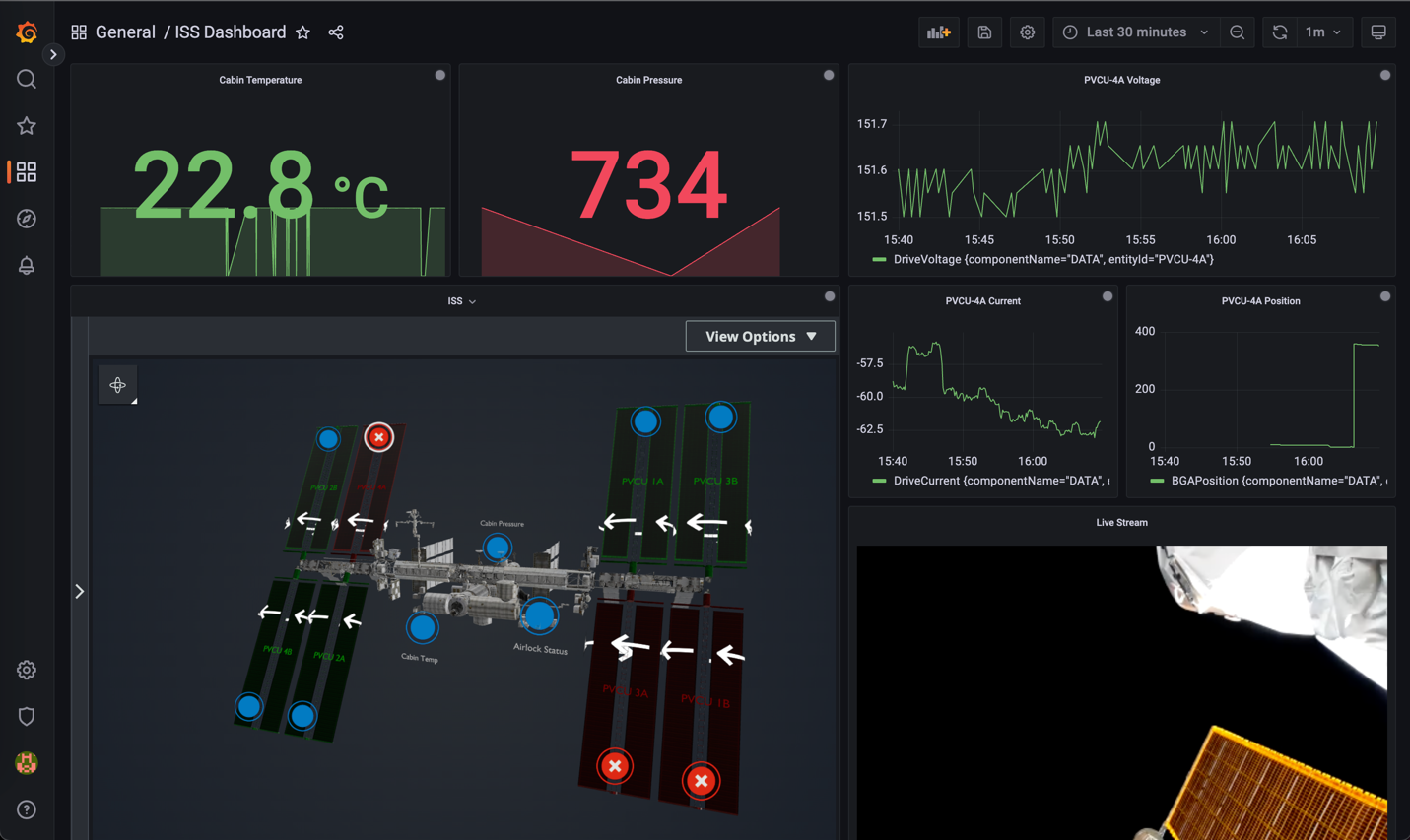
Smart Virtual Sensing and Predictive Analytics
Siemens has expanded its Smart Virtual Sensing capabilities to include rigid body motion sensors and advanced damage assessment tools. These enhancements provide critical insights into machine durability and remaining useful life, even in challenging test environments where physical sensors cannot be deployed. This development aligns with the broader industry trend toward predictive maintenance and digital twin technologies.
The virtual sensing capabilities leverage reduced-order modeling (ROM) techniques, enabling real-time simulations with minimal computational overhead. This approach allows engineers to predict physical states at any point on an object, even in locations where sensors cannot be physically placed, significantly expanding monitoring and optimization possibilities.
Computational Fluid Dynamics Advances
The Simcenter STAR-CCM+ 2025.2 release introduces the Virtual Body Method (VBM), a specialized implementation of the Immersed Boundary Method for handling complex fluid-solid interactions. This technique is particularly valuable for applications such as electro-dip paint coating of automotive bodies and precision fluid filling processes. The method offers superior scalability and reduced computation time compared to traditional overset approaches while maintaining high accuracy.
GPU acceleration has been extended to cases involving moving objects and Smoothed-Particle Hydrodynamics (SPH), significantly accelerating complex transient simulations. These enhancements enable detailed insights into dynamic flows for multiple fluids, supporting applications from electric motor cooling to automotive water management systems.
Industry Impact and Future Implications
These Simcenter updates represent more than incremental improvements; they signal a fundamental shift toward AI-enhanced, cloud-integrated simulation workflows. The integration of artificial intelligence capabilities, including Large Physics Models (LPMs) and machine learning-driven optimization, positions Siemens at the forefront of the simulation industry's digital transformation.
The emphasis on automation and workflow integration addresses critical industry challenges, including labor scarcity, supply chain disruptions, and the need to overcome legacy processes. By implementing these advanced simulation capabilities, organizations can achieve faster time-to-market, improved product quality, and enhanced competitive positioning.
As the simulation tools industry continues evolving toward more intelligent, connected, and visually immersive solutions, Siemens' comprehensive approach to integrating multiple physics domains within a unified platform establishes new benchmarks for engineering simulation excellence. These developments will likely influence competitive responses across the industry and accelerate adoption of advanced simulation methodologies in automotive, aerospace, and manufacturing sectors.
The January 2025 Simcenter updates demonstrate that simulation technology is rapidly maturing from a specialized engineering tool to an essential component of digital transformation strategies across industries.
Sources: Siemens Digital Industries Software press releases, industry analysis reports, and technical documentation from January 2025