

HELYX 4.6.0: Interactive Python API, Expanded Multi-Region Physics, and New Meshing Controls for Open-Source CFD
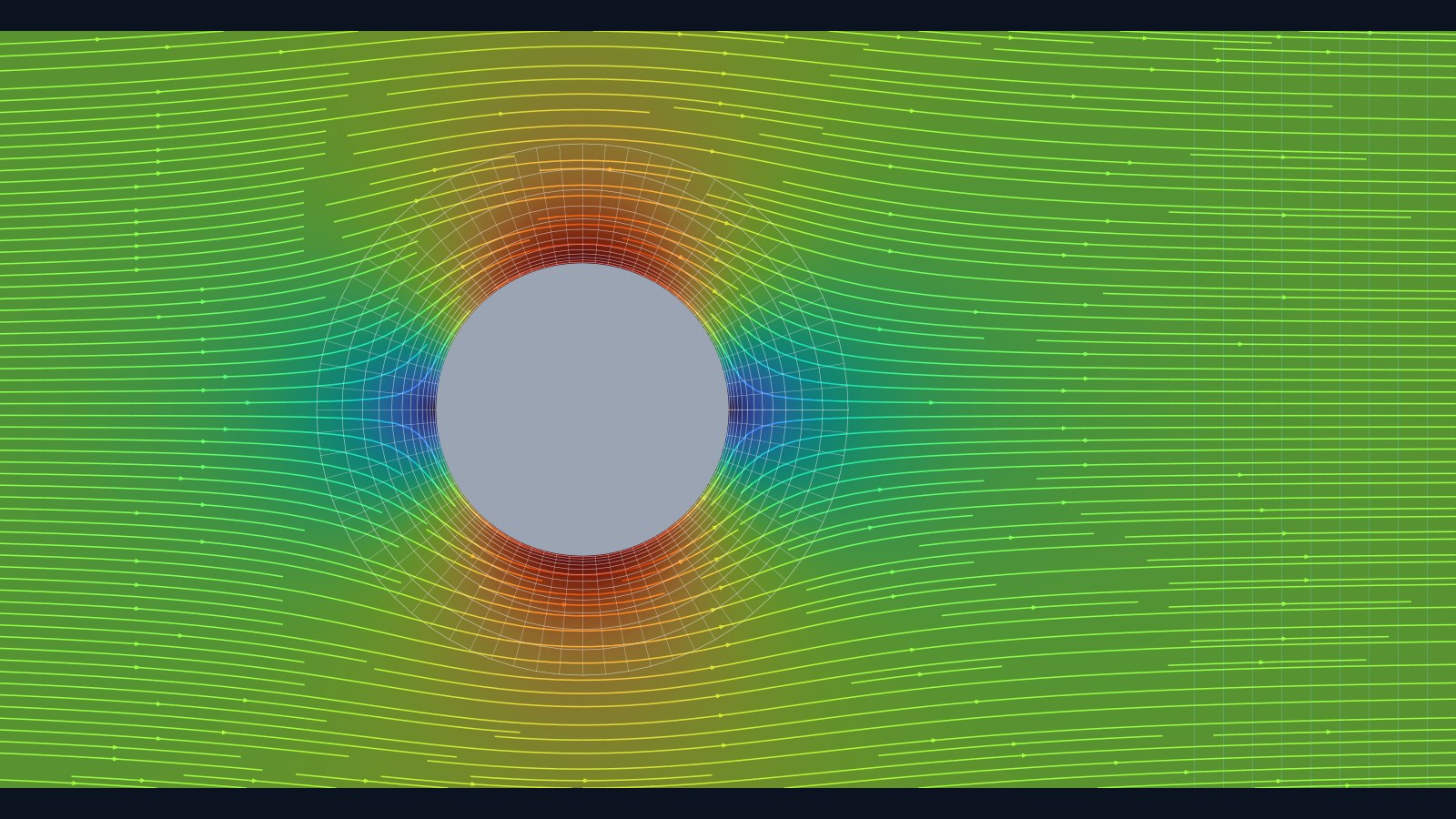
ENGYS released HELYX 4.6.0 on October 15, 2026, the latest version of its enterprise CFD environment built on open-source CFD solver technology. The update broadens the physics HELYX can handle, adds new meshing controls, and, most notably for teams that automate their workflows, extends the Python API so engineers can build their own interactive components inside the graphical interface. Matching updates to the HELYX-Adjoint, HELYX-Coupled and HELYX-Marine add-on modules ship alongside the core release.
A Python API that reaches into the GUI
Most CFD scripting interfaces stop at batch automation: case setup, job submission and post-processing run headless. ENGYS says the improved Python API in 4.6.0 lets users develop and deploy user-defined interactive components in the HELYX GUI. In practice, that means a methods group can package a company-specific workflow, such as a standard boundary-condition template or a custom report panel, as a tool that analysts use directly in the interface. That reduces the gap between in-house best practice and day-to-day use. It also suits organizations moving toward simulation-process-and-data-management workflows, where repeatability matters as much as raw solver capability.
Wider physics coverage
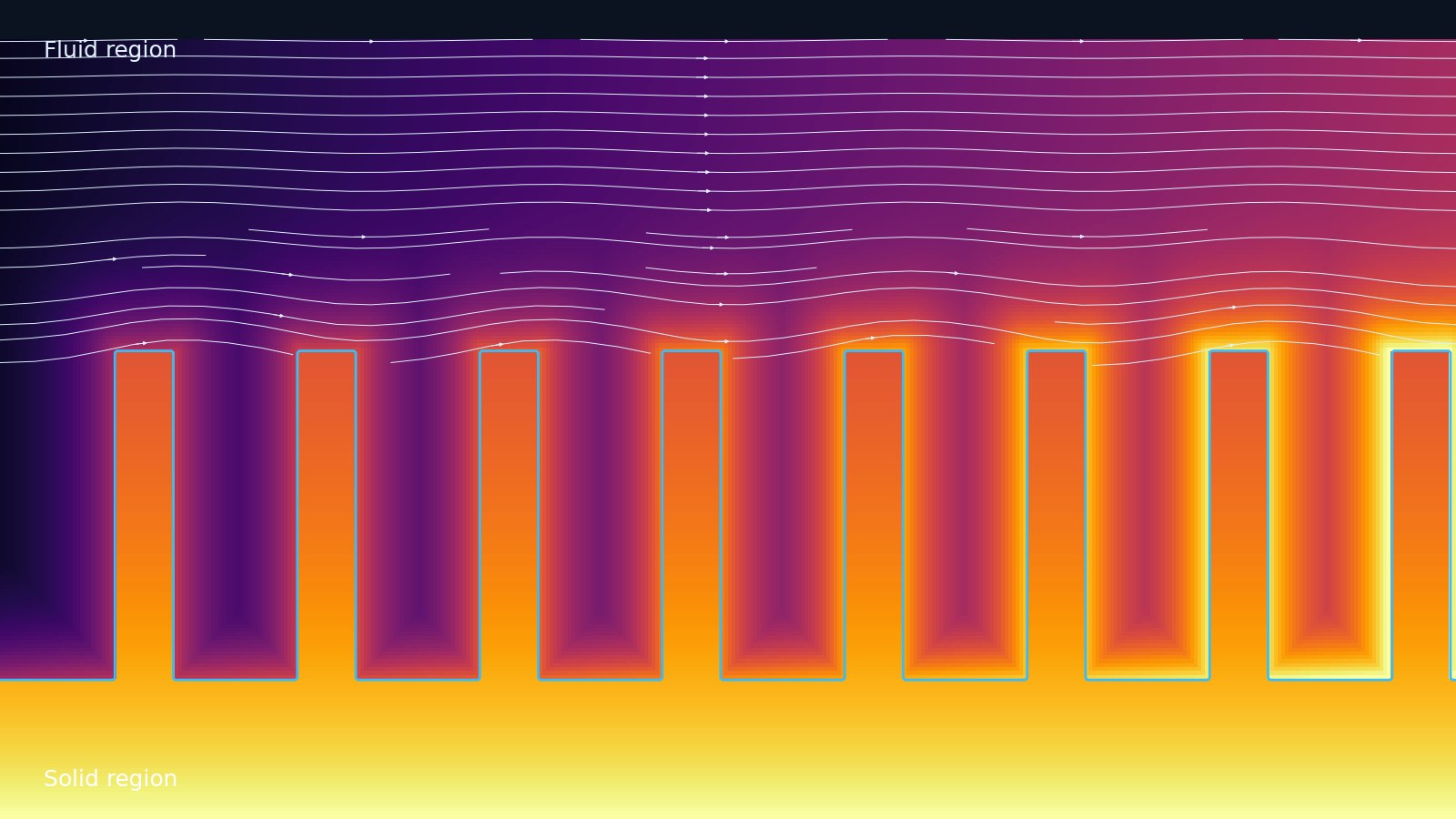
The release adds new and extended capabilities for chemistry modelling, multiphase flows, heat transfer and multi-region simulations. These continue a trajectory set by earlier versions. HELYX 4.3.0 consolidated multiphase solvers into the Unified Solver Framework (USF), 4.4.0 introduced a USF-based reacting flow solver, and 4.5.0 added a modular multi-physics interface for combining different physics on multi-region meshes. Version 4.6.0 builds on that framework, which is relevant for conjugate heat transfer, thermal management and reacting-flow problems where fluid and solid regions must be solved together.

Meshing, solver and post-processing updates
On the pre-processing side, HELYX 4.6.0 introduces new mesh controls, mesh extrusion capabilities and geometry inspection tools. Mesh extrusion is especially useful for inlet and outlet extensions and for building clean near-wall layers. Geometry inspection helps catch problems in imported CAD before they cause snapping or layer-addition failures.
Solver-side changes cover enhanced solver workflows, turbulence modelling, region coupling and numerical methods, all aimed at robustness on difficult cases. For analysis, new field processing functions, surface statistics and visualization tools give engineers more ways to extract integrated quantities and interpret results without exporting to a separate post-processor.
ELEMENTS 4.6.0 follows for automotive users
A day later, on October 16, ENGYS announced ELEMENTS 4.6.0, the automotive-focused CFD suite distributed by Streamline Solutions. It brings the same chemistry, multiphase, heat transfer and multi-region solver capabilities, an enhanced Python API, improved mesh extrusion and near-wall layer control, expanded material management, new HPC options, and faster mapping and enhanced probes in post-processing. Updated ELEMENTS-Adjoint and ELEMENTS-Coupled modules are included.
Availability
Existing HELYX customers can download version 4.6.0 through the ENGYS Customer Portal. ENGYS has published only a high-level feature summary so far, so teams planning an upgrade should review the detailed release notes in the portal before migrating production cases.
Sources and further reading: