

JSAF Joint Semi-Automated Forces: Realistic Entity Behavior Modeling for Military Training
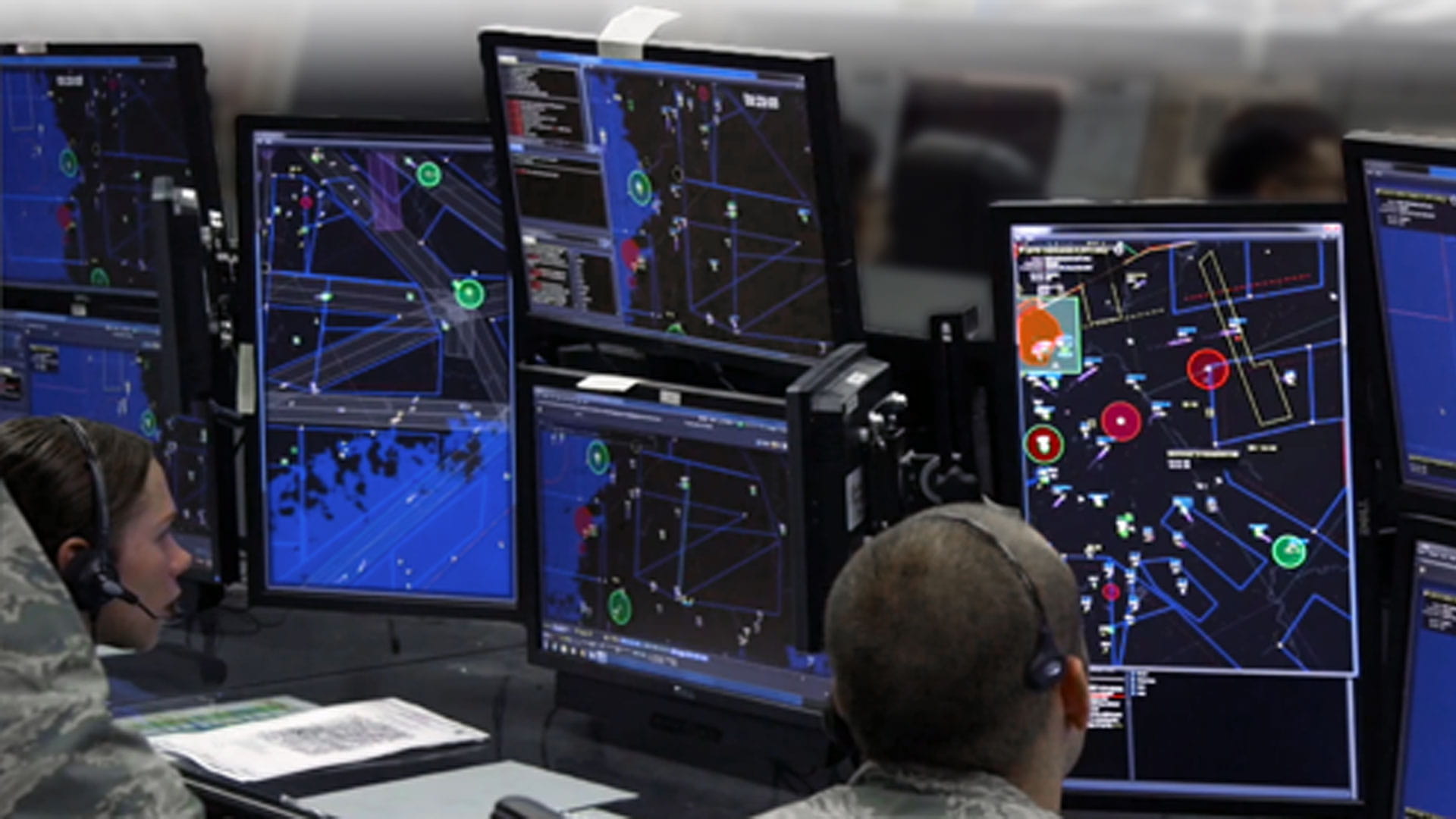
The Joint Semi-Automated Forces (JSAF) simulation system represents a critical capability in modern military training and mission rehearsal. Developed to support constructive simulation environments, JSAF provides realistic entity behavior modeling that enables military planners and trainers to create complex, multi-domain operational scenarios without requiring human operators for every simulated entity.
Core Architecture and Entity Modeling
JSAF's strength lies in its sophisticated entity behavior modeling framework. Unlike simple scripted simulations, JSAF implements a hierarchical behavior tree architecture that allows simulated entities—from individual soldiers to battalion-level formations—to exhibit tactically sound decision-making in response to dynamic battlefield conditions. The system employs a combination of finite state machines and rule-based AI to generate realistic movement patterns, engagement decisions, and formation behaviors.
The entity models in JSAF are built on military doctrine, incorporating actual tactics, techniques, and procedures (TTPs) from U.S. and coalition forces. This doctrinal foundation ensures that simulated units respond to threats, terrain, and mission objectives in ways that mirror real-world military operations. For example, a simulated mechanized infantry company will automatically adopt appropriate formations when transitioning from road march to tactical movement, adjust spacing based on threat level, and coordinate fire and maneuver without explicit operator commands.

Integration with Live and Virtual Training Systems
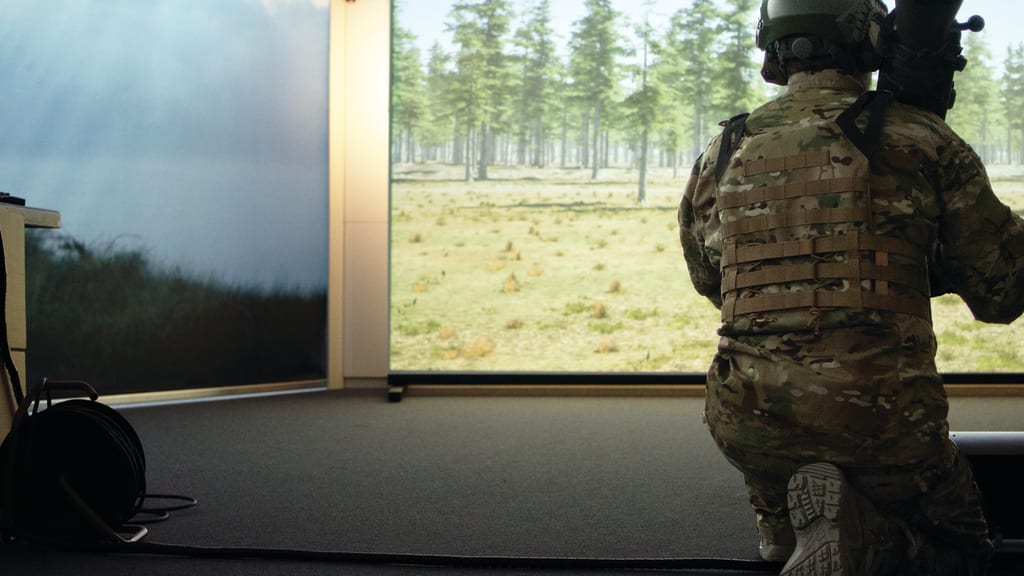
One of JSAF's most valuable features is its interoperability with other simulation systems through the High Level Architecture (HLA) and Distributed Interactive Simulation (DIS) protocols. This allows JSAF to populate large-scale training exercises with computer-generated forces (CGF) that interact seamlessly with live participants using virtual simulators or actual equipment instrumented for training.
In a typical combined arms training scenario, JSAF might provide opposing force (OPFOR) entities, civilian population models, and supporting units while human trainees operate vehicle simulators or command post systems. The JSAF entities respond realistically to trainee actions, creating a dynamic training environment that adapts to tactical decisions in real-time. This capability significantly reduces the personnel requirements for large-scale exercises while maintaining training realism.
Terrain and Environmental Modeling
JSAF incorporates detailed terrain analysis capabilities that directly influence entity behavior. The system processes digital terrain elevation data (DTED), feature data, and environmental conditions to calculate line-of-sight, cover and concealment, trafficability, and optimal movement routes. Simulated entities use this terrain analysis to make tactical decisions—seeking cover when under fire, selecting advantageous firing positions, and avoiding impassable terrain.
The environmental modeling extends beyond static terrain to include dynamic factors such as weather effects, time-of-day lighting conditions, and battlefield obscurants like smoke and dust. These environmental factors affect sensor performance, movement speeds, and engagement ranges, adding another layer of realism to the simulation. A JSAF-modeled reconnaissance unit, for instance, will adjust its sensor search patterns based on visibility conditions and terrain masking.
Scenario Development and After-Action Review
JSAF provides comprehensive tools for scenario development and after-action review (AAR). Scenario developers can define complex operational environments using a graphical interface, placing units, establishing control measures, and scripting mission objectives. The system supports both pre-planned scenarios and dynamic scenario generation based on mission parameters.
The AAR capabilities allow instructors and analysts to replay exercises from multiple perspectives, examining entity decision-making, engagement outcomes, and tactical effectiveness. The system records detailed event logs that can be filtered and analyzed to identify training gaps or evaluate the effectiveness of different tactical approaches. This data-driven approach to training assessment helps military organizations optimize their training programs and validate doctrine.
Applications in Mission Planning and Analysis
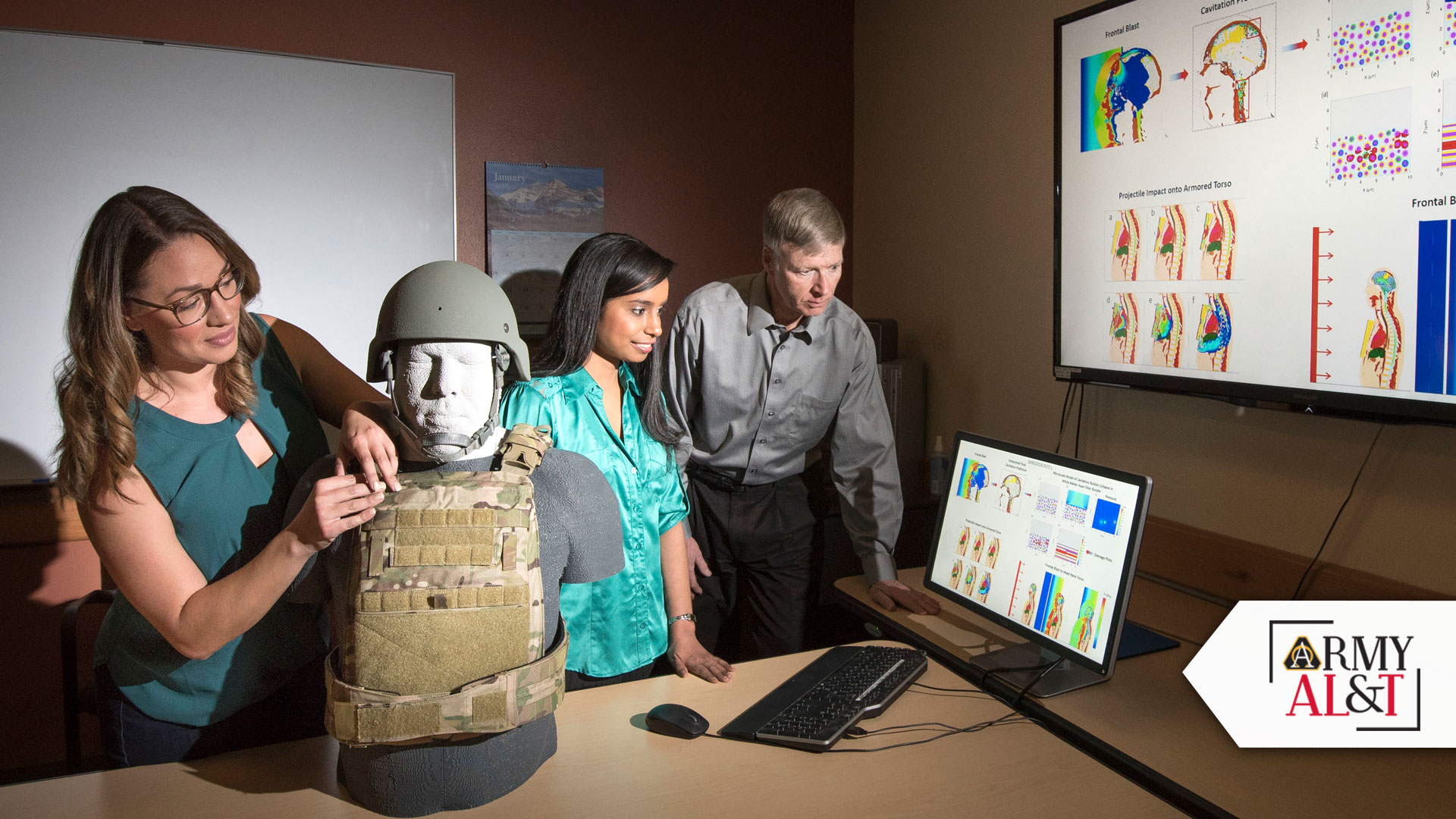
Beyond training, JSAF serves as a valuable tool for mission planning and course-of-action (COA) analysis. Military planners use JSAF to war-game different operational approaches, testing how various force compositions and tactical plans might perform against simulated enemy forces. The system's ability to run multiple iterations quickly allows planners to explore a wide range of scenarios and identify potential risks or opportunities.
The simulation results provide quantitative data on factors such as expected casualties, ammunition consumption, timeline feasibility, and mission success probability. This analytical capability supports more informed decision-making during the planning process and helps commanders understand the potential outcomes of different tactical choices.
Future Developments and AI Integration
Recent developments in JSAF focus on incorporating more advanced artificial intelligence and machine learning techniques. Enhanced behavior models are being developed that can learn from previous scenarios and adapt tactics based on observed patterns. Integration with modern game engines is also being explored to improve visual fidelity and support mixed reality training applications.
The ongoing evolution of JSAF reflects the military's commitment to maintaining realistic, cost-effective training capabilities that prepare forces for complex, multi-domain operations. As warfare becomes increasingly technology-dependent and multi-faceted, simulation systems like JSAF will continue to play an essential role in military readiness.
Further Resources
For more information on JSAF and constructive simulation in military training, consult the following resources:
- Defense Modeling and Simulation Coordination Office (DMSCO): https://www.msco.mil/
- Simulation Interoperability Standards Organization (SISO): https://www.sisostds.org/
- Joint Training Integration and Evaluation Center (JTIEC): https://www.jcs.mil/Directorates/J7-JTIEC/
JSAF continues to evolve as a cornerstone technology for military training and analysis, providing the realistic entity behaviors and interoperability needed for effective simulation-based preparation in modern defense operations.