
Synopsys Launches Ansys 2026 R1: First Integration of Silicon-to-Systems Simulation Platform
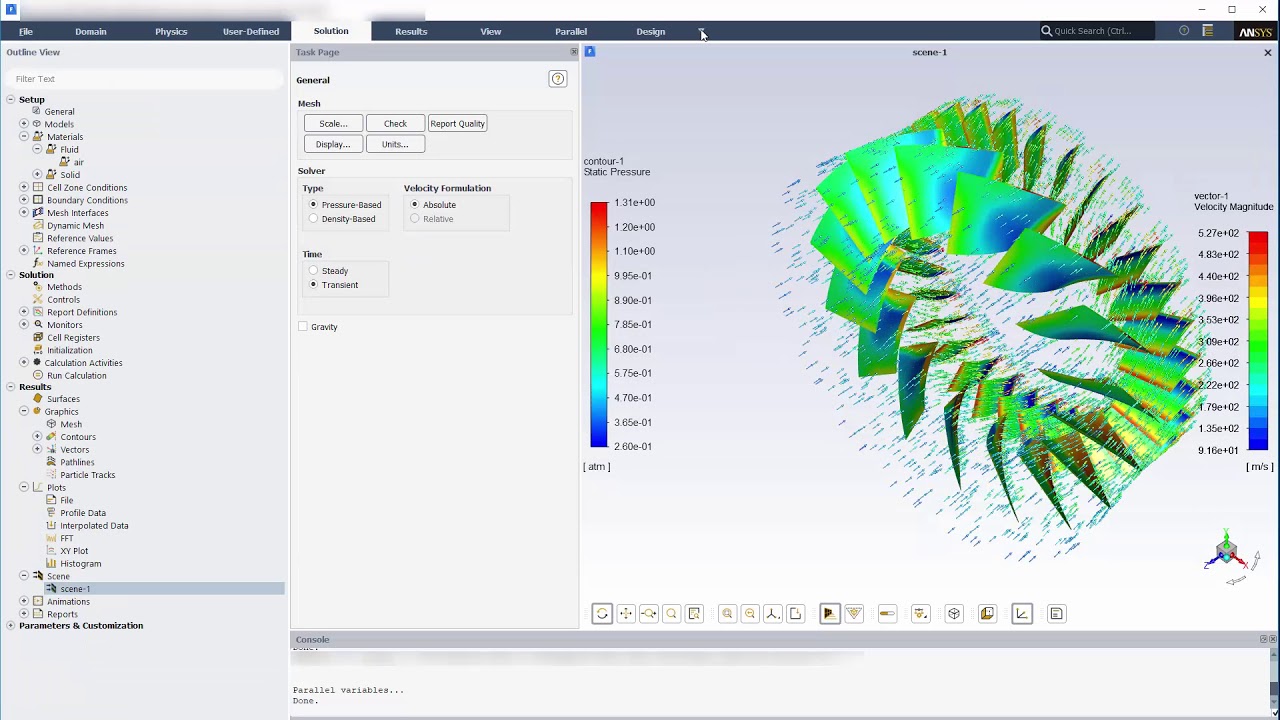
First Integration of Synopsys-Ansys Technologies
On March 11, 2026, Synopsys launched Ansys 2026 R1, marking the first major product release since completing its acquisition of Ansys. This release represents a significant milestone in engineering simulation, combining nearly a century of expertise from both companies to deliver unified workflows, AI-powered design tools, and enhanced digital twin capabilities.
The release focuses on three core themes: unified Synopsys-Ansys workflows, AI-powered digital engineering, and expanded digital twin capabilities. These advancements aim to address the increasing complexity of modern engineering systems while accelerating design exploration and reducing reliance on physical prototyping.
Joint Solutions for System-Level Engineering
Ansys 2026 R1 introduces several targeted integrations between Synopsys and Ansys technologies, creating seamless workflows across previously separate engineering domains.

Functional Safety Analysis: The integration of Synopsys VC Functional Safety Manager with Ansys medini analyze creates an end-to-end safety workflow connecting system-level and silicon-level safety analysis. This automated traceability is particularly valuable for automotive and aerospace applications where functional safety is critical.
Materials Science Workflow: Synopsys QuantumATK and Ansys Granta MI platform integration enables atomic-scale-to-enterprise materials workflows. Engineers can now directly export simulation-generated material properties into Granta MI databases, streamlining material discovery and development processes.
Photonic Design: The OptoCompiler and Lumerical FDTD integration links device-level photonic design with system-level optical simulation, automating Verilog-A model generation and ensuring consistent optical behavior across design tools.
Embedded Systems: Ansys SCADE model-based development software now works with Synopsys TPT test automation platform, strengthening verification workflows for critical embedded control systems in applications like advanced driver assistance and avionics.
Generative AI and Agentic Capabilities
The release significantly expands Ansys' AI portfolio with new generative and agentic capabilities designed to accelerate design exploration and automate complex workflows.
Ansys GeomAI introduces generative AI for conceptual geometry exploration. The platform learns from reference designs to rapidly generate, evaluate, and refine geometry concepts while preserving engineering intent. This enables engineers to explore design alternatives much faster than traditional methods.
Mesh Agent, a new feature in Ansys Mechanical, assists engineers in debugging and resolving meshing failures during model preprocessing. The agent provides validated remediation steps, reducing the time spent troubleshooting mesh quality issues.
Discovery Validation Agent, currently in early customer evaluation, uses contextual intelligence and industry best practices to proactively identify potential setup issues during simulation preparation.
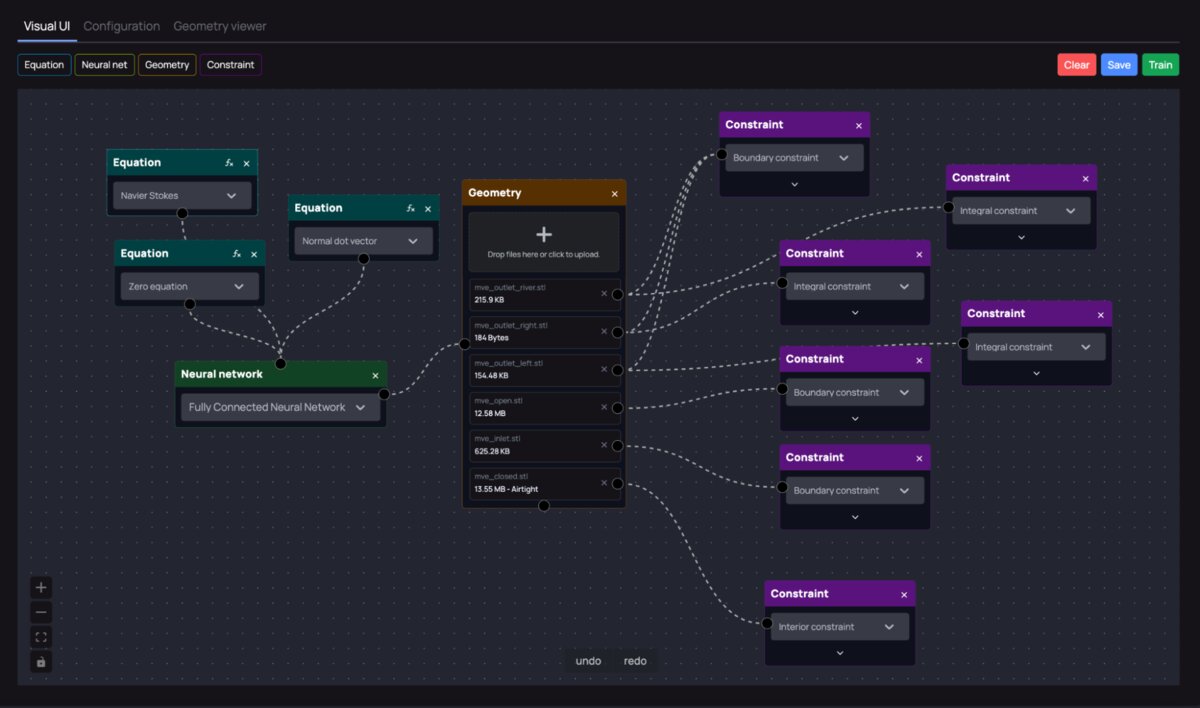
The Ansys SimAI platform now offers two versions: SimAI Premium SaaS for cloud-scale deployments and SimAI Pro for desktop-based projects requiring local data storage. SimAI connectors in optiSLang enable end-to-end workflows for training data generation, AI model training, and design optimization.
Ansys Engineering Copilot, an AI-guided assistant, is now available in medini analyze, ModelCenter, and Rocky software, providing interactive support for product, physics, and engineering questions.
Enhanced Digital Twin Capabilities
Ansys 2026 R1 expands digital twin innovations to provide deeper real-world insights before physical prototyping.
Ansys TwinAI introduces new fusion modeling methods to better align simulation data with sensor and test information. A temporal fusion transformer improves large-scale time-series modeling efficiency, while a new reduced-order model (ROM) wizard guides teams in creating and deploying high-fidelity ROMs for real-time digital twins.
Ansys AVxcelerate Sensors features a GPU-accelerated multispectral light-propagation engine and expanded NVIDIA Omniverse integration, creating a unified 3D digital twin pipeline with improved camera behavior and surface reflection accuracy.
Ansys CoSim, a new distributed co-simulation product, connects multiple system-level tools in coordinated workflows. Subsystems can run in their native environments while exchanging data seamlessly, with synchronization algorithms enabling independent timesteps for fast, accurate multiphysics validation.
Ansys HFSS-PI adds broadband 3D power integrity simulation capabilities for IC, package, and board power delivery challenges, particularly for next-generation chip-package integration and 3D packaging.
Industry Impact
The Ansys 2026 R1 release demonstrates how the integration of two industry leaders can create more cohesive engineering workflows. By combining Synopsys' expertise in silicon design with Ansys' strength in multiphysics simulation, the platform enables true system-level analysis from chip to complete product.
The emphasis on AI-powered tools reflects the industry's shift toward making simulation more accessible to broader engineering teams while accelerating design iteration. Generative AI capabilities like GeomAI enable rapid exploration of design alternatives, while agentic features automate routine tasks and help prevent common errors.
For organizations developing complex systems—from autonomous vehicles to aerospace systems to advanced electronics—these integrated workflows can significantly reduce development time and improve product quality by enabling earlier validation and optimization across multiple engineering domains.
More information about Ansys 2026 R1 is available at Ansys Release Highlights and Synopsys News.