TransModeler: Advanced Transit Operations Simulation for Multi-Modal Networks
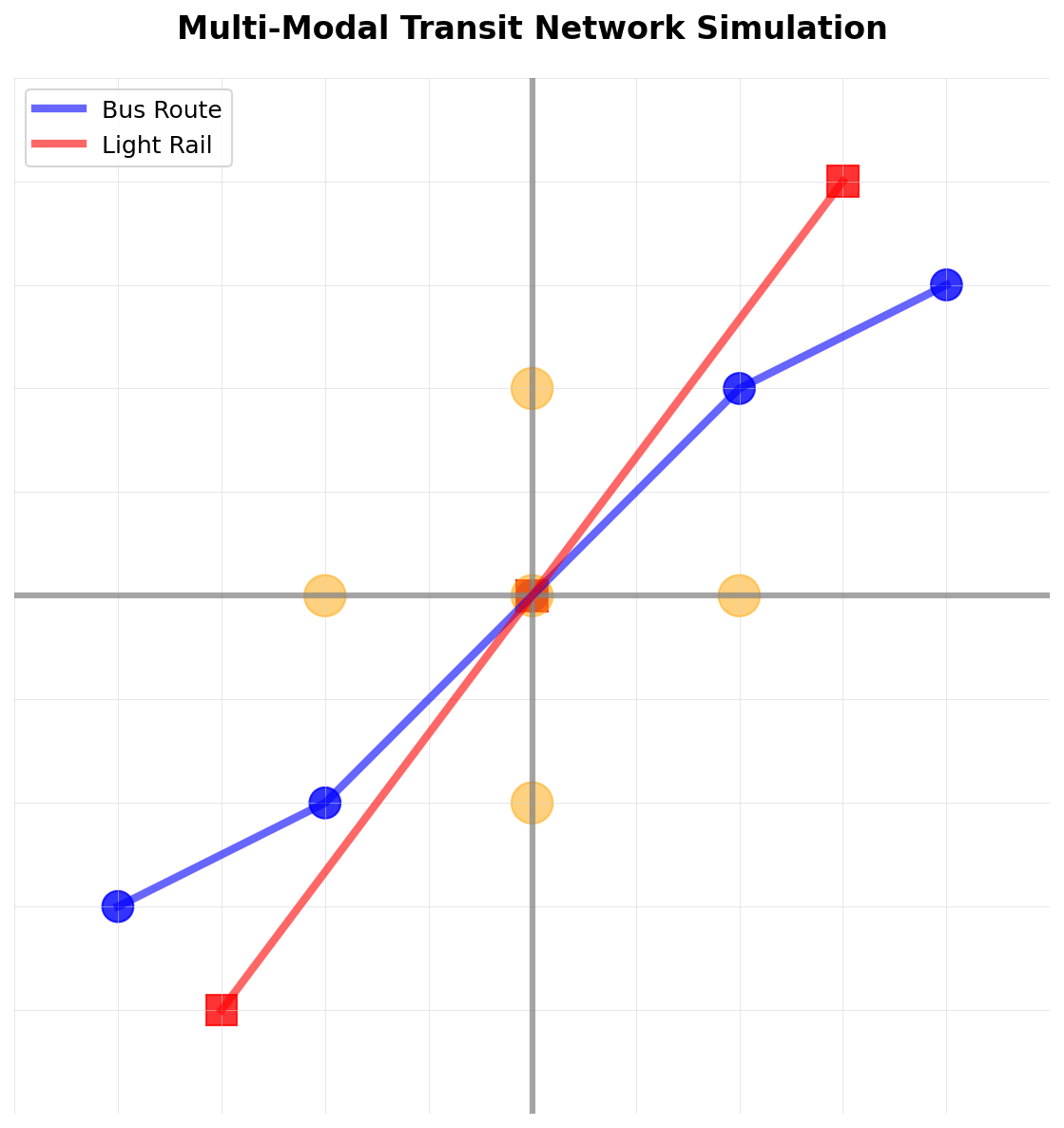
Public transit agencies face mounting pressure to optimize service reliability, reduce operational costs, and improve passenger experience. TransModeler, developed by Caliper Corporation, offers sophisticated transit operations simulation capabilities that enable planners to model complex multi-modal transportation networks with unprecedented detail. This article explores TransModeler's transit-specific features and their practical applications in modern transportation planning.
Integrated Transit Network Modeling
TransModeler distinguishes itself through its comprehensive approach to transit simulation. Unlike general-purpose traffic simulators, it provides native support for bus rapid transit (BRT), light rail, heavy rail, and mixed-traffic operations within a single unified framework. The software models transit vehicles as distinct agents with route-specific behaviors, stop dwell time calculations, and passenger boarding/alighting dynamics.
The platform's transit network editor allows engineers to define complex route structures including express services, limited-stop patterns, and interlining operations. Each route can be configured with specific vehicle types, headways, and operational policies. This granularity enables accurate representation of real-world transit systems where multiple service patterns share common infrastructure.

Real-Time Priority and Signal Optimization
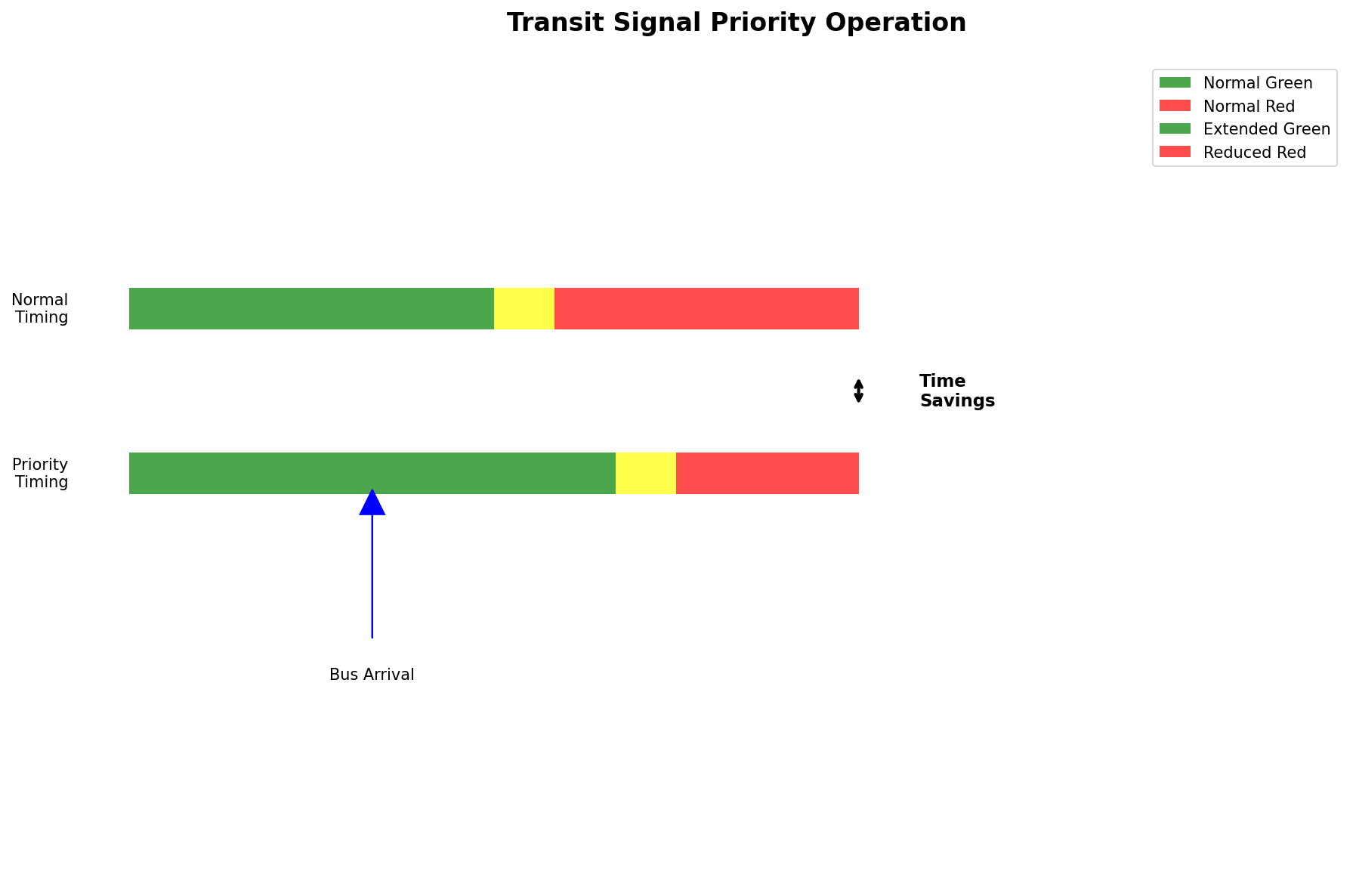
One of TransModeler's most powerful features is its transit signal priority (TSP) simulation capability. The software models conditional and unconditional priority strategies, allowing planners to evaluate the impact of signal timing adjustments on both transit performance and general traffic flow. Engineers can test various priority algorithms—including early green, green extension, and phase insertion—to identify optimal configurations for specific corridors.
The TSP module integrates with TransModeler's microscopic traffic simulation engine, capturing the complex interactions between transit vehicles, private automobiles, and pedestrians at signalized intersections. This integration is critical for agencies implementing BRT systems or upgrading existing bus corridors, as it quantifies trade-offs between transit speed improvements and potential impacts on cross-street traffic.
For more information on TSP implementation strategies, see the Federal Transit Administration's TSP Planning Guide.
Passenger Assignment and Demand Modeling
TransModeler incorporates sophisticated passenger assignment algorithms that distribute riders across available routes based on generalized cost functions. The software supports both static and dynamic transit assignment, with the latter accounting for real-time service variations and passenger route choice behavior under congested conditions.
The demand modeling framework allows analysts to import origin-destination matrices from travel demand models or survey data, then assign passengers to specific transit routes and departure times. This capability is essential for evaluating service changes, such as frequency adjustments or route realignments, and predicting their impact on ridership patterns and vehicle loading.
Performance Metrics and Operational Analysis
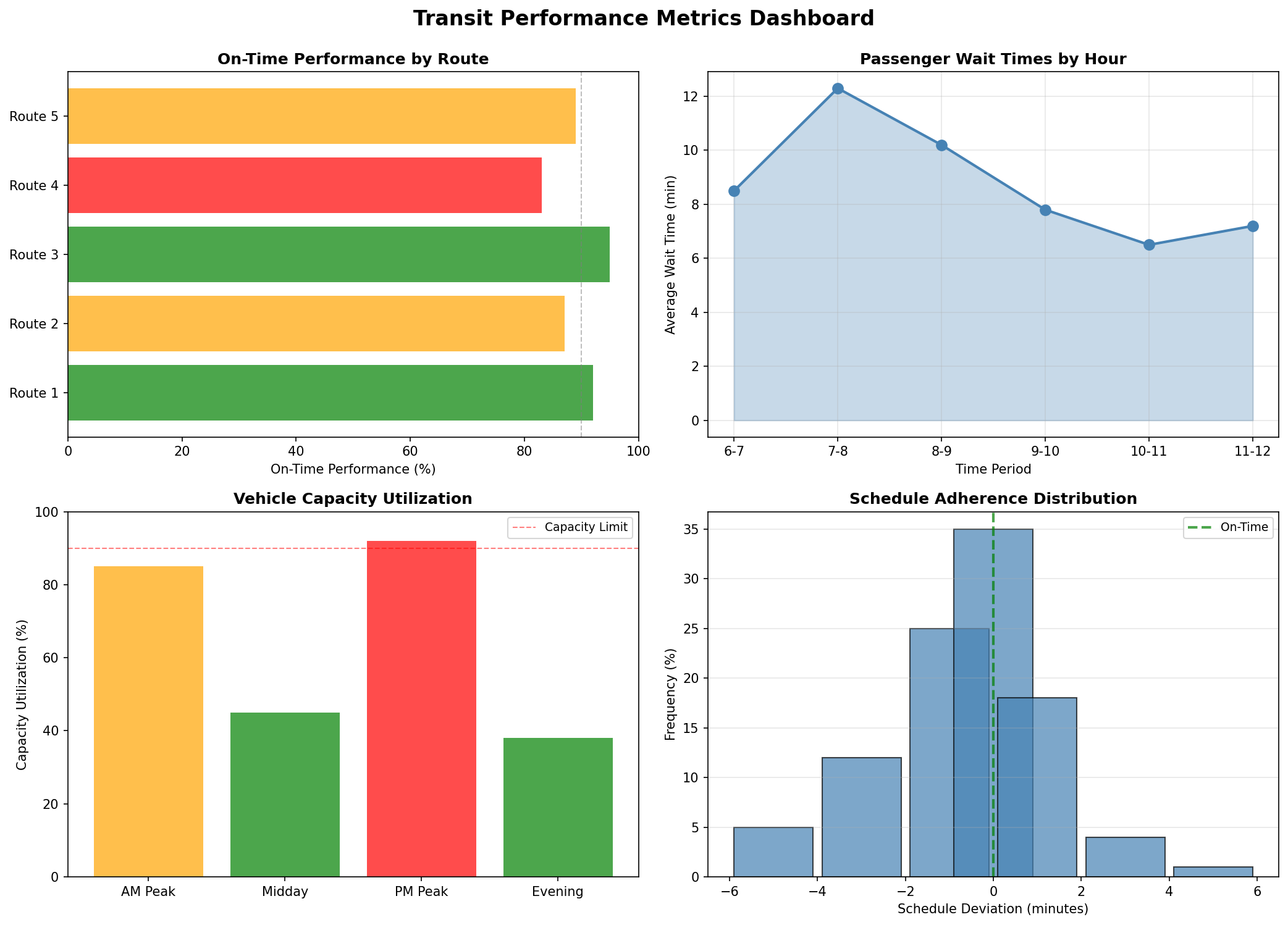
The platform generates comprehensive performance metrics tailored to transit operations. Key outputs include on-time performance statistics, schedule adherence measures, passenger wait times, in-vehicle travel times, and vehicle capacity utilization. These metrics can be aggregated by route, time period, or geographic segment, providing actionable insights for service planning.
TransModeler's animation and visualization tools enable stakeholders to observe simulated operations in real-time, identifying bottlenecks and operational conflicts that may not be apparent from tabular data alone. The 3D visualization environment supports custom backgrounds, allowing agencies to present simulation results in familiar geographic contexts.
Integration with Planning Tools
TransModeler interfaces with major travel demand forecasting packages including TransCAD, VISUM, and Cube, facilitating seamless workflow integration. The software can import network geometries, demand matrices, and calibration parameters from these platforms, reducing data preparation time and ensuring consistency across planning stages.
For agencies using Automatic Vehicle Location (AVL) systems, TransModeler supports import of GPS trajectory data for model calibration and validation. This capability enables analysts to compare simulated vehicle movements against observed operations, improving model accuracy and stakeholder confidence in simulation results.
Practical Applications
Transit agencies have successfully applied TransModeler to diverse planning challenges:
- Service Reliability Analysis: Identifying schedule padding requirements and recovery time allocations to maintain on-time performance under variable traffic conditions
- Fleet Sizing Studies: Determining minimum vehicle requirements to meet service frequency targets while accounting for layover times and deadhead movements
- Corridor Optimization: Evaluating dedicated lane configurations, queue jump lanes, and other infrastructure treatments to improve transit speed and reliability
- Fare Policy Assessment: Modeling the operational impacts of all-door boarding, proof-of-payment systems, and other fare collection strategies on dwell times and schedule adherence
Conclusion
TransModeler's specialized transit simulation capabilities provide transportation planners with powerful tools for analyzing complex multi-modal networks. Its integration of microscopic traffic simulation, transit operations modeling, and passenger assignment makes it particularly well-suited for agencies seeking to optimize service quality while managing operational costs. As cities worldwide invest in transit improvements, simulation platforms like TransModeler will play an increasingly critical role in evidence-based decision-making.
For technical documentation and case studies, visit Caliper Corporation's TransModeler resource page.