

AnyLogic Patient Flow Optimization: Advanced Emergency Department Simulation
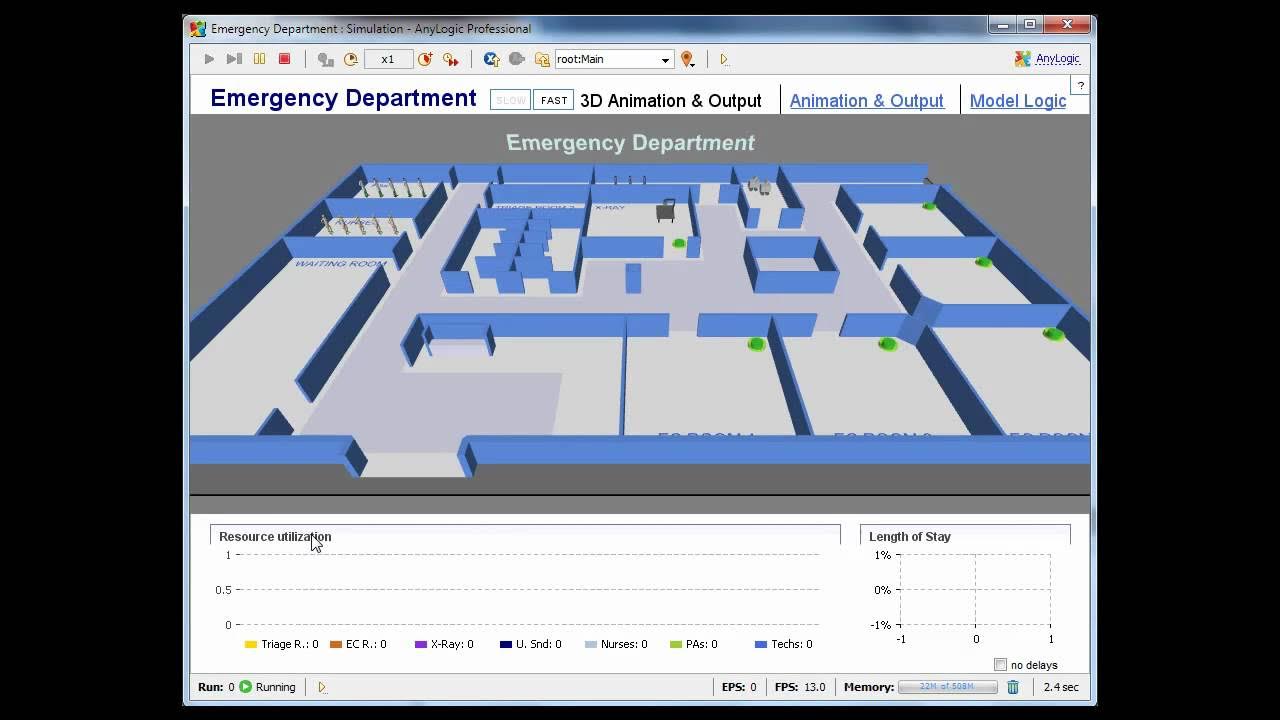
Emergency departments (EDs) face unprecedented challenges in managing patient throughput, resource allocation, and quality of care. AnyLogic's discrete-event simulation capabilities combined with agent-based modeling provide healthcare administrators with powerful tools to optimize ED operations and reduce critical bottlenecks.
Understanding ED Simulation Architecture
AnyLogic's healthcare library enables modelers to construct detailed patient flow simulations that capture the complexity of emergency department operations. The platform supports hybrid modeling approaches, allowing simultaneous representation of individual patient agents, discrete service processes, and continuous resource dynamics. This multi-method paradigm is essential for accurately modeling ED environments where patient acuity levels, staff availability, and equipment utilization interact in non-linear ways.
The software's built-in Process Modeling Library provides pre-configured blocks for patient arrival, triage, treatment, and discharge processes. These blocks can be parameterized with empirical data from electronic health records (EHRs), enabling evidence-based simulation scenarios. Advanced users can implement custom decision logic using Java code to model complex clinical pathways and resource allocation algorithms.

Key Performance Metrics and Analysis
Effective ED simulation requires tracking multiple performance indicators simultaneously. AnyLogic facilitates real-time monitoring of:
- Door-to-doctor time: Critical for patient satisfaction and clinical outcomes
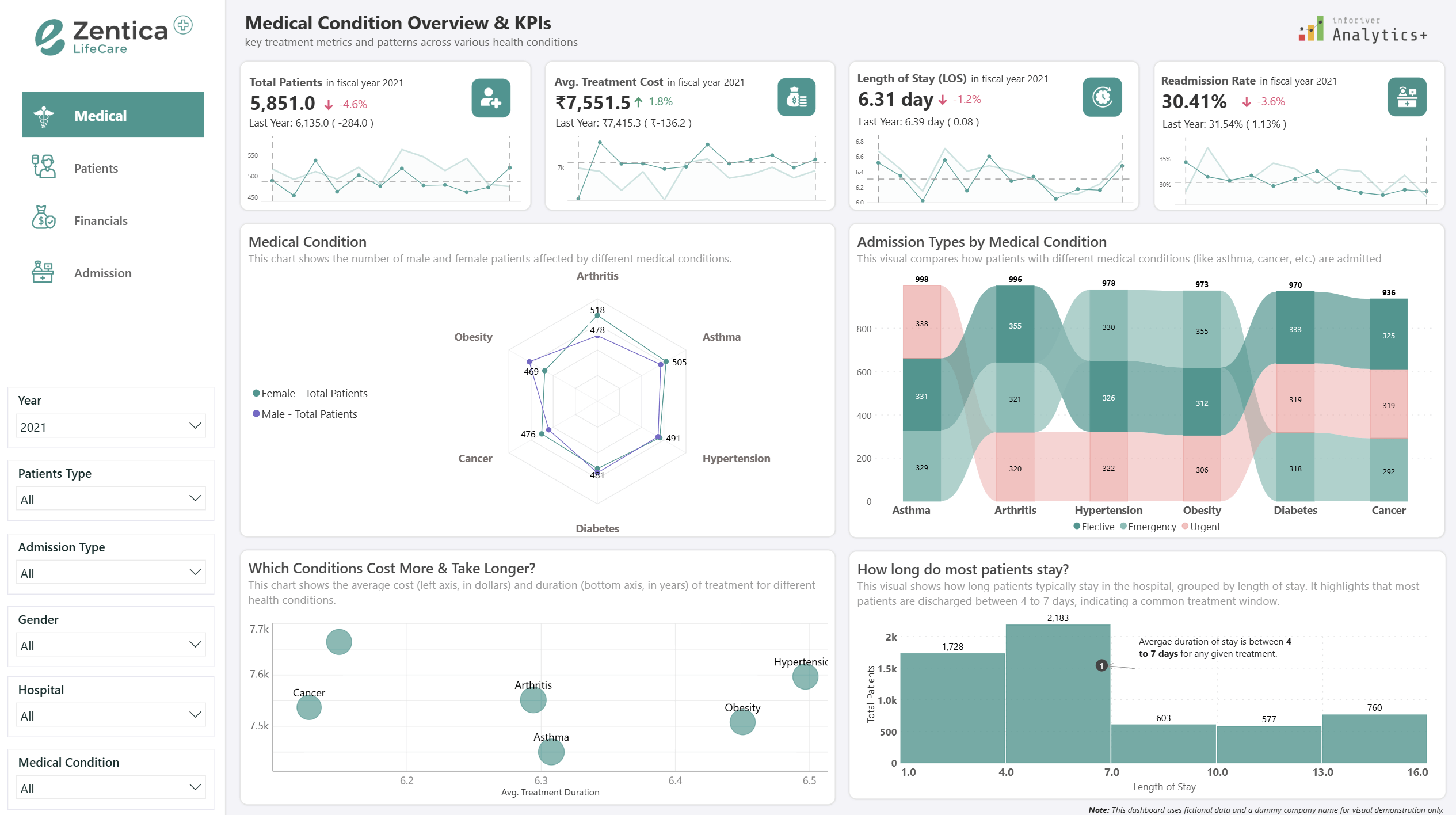
- Length of stay (LOS): Overall time from arrival to discharge or admission
- Left without being seen (LWBS) rates: Indicator of system capacity constraints
- Resource utilization: Staff, beds, and equipment efficiency metrics
- Queue lengths: Waiting room and treatment area congestion
The platform's statistical analysis tools enable automatic calculation of confidence intervals, percentile distributions, and sensitivity analysis across multiple simulation runs. This statistical rigor is essential for making defensible recommendations to hospital leadership.
Implementing Triage Protocol Optimization
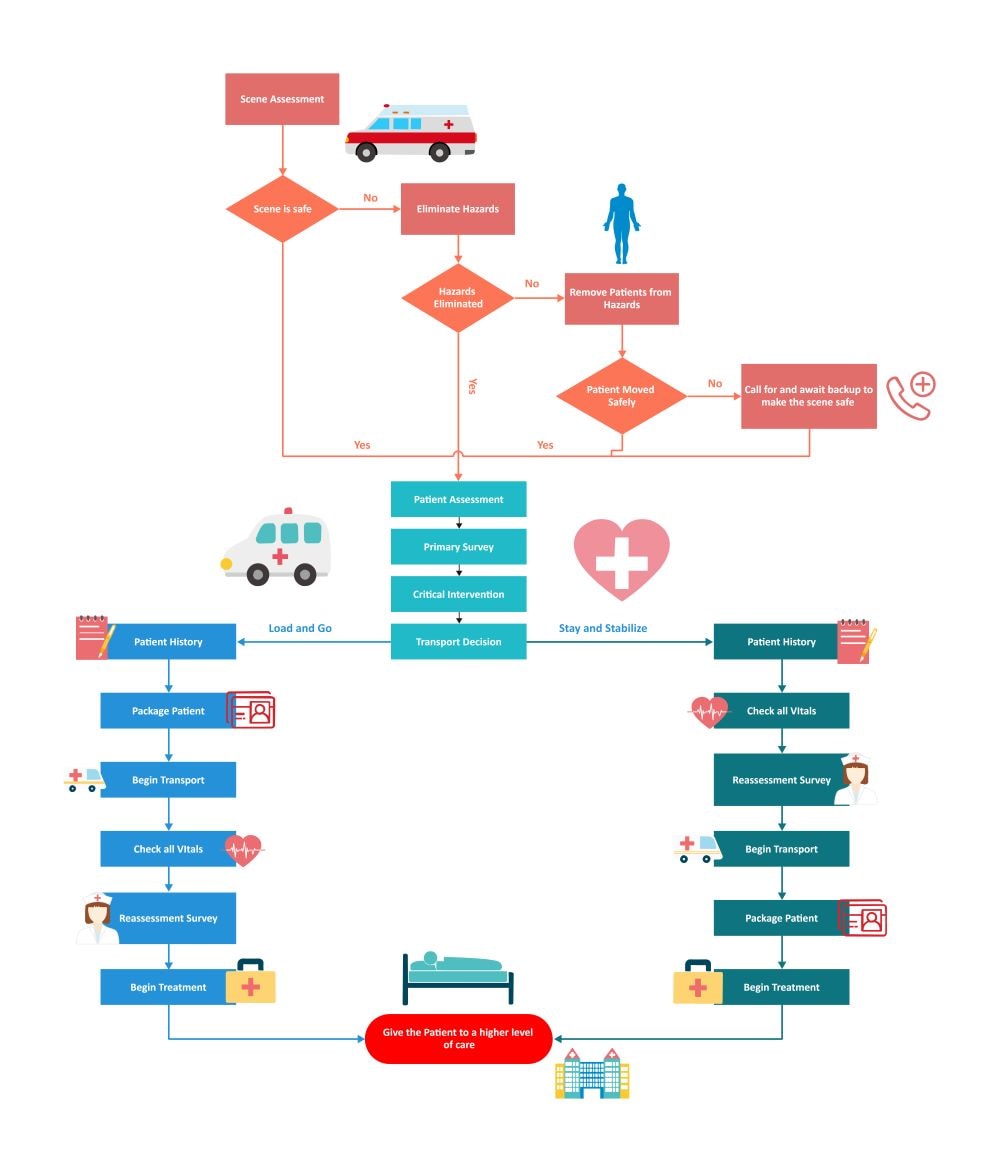
One of the most impactful applications involves simulating alternative triage protocols. The Emergency Severity Index (ESI) system can be modeled with varying staffing levels and fast-track pathways for low-acuity patients. By creating parallel simulation scenarios, administrators can quantify the impact of adding nurse practitioners to triage or implementing split-flow models that separate minor injuries from critical cases.
AnyLogic's parameter variation experiment allows systematic exploration of staffing configurations. For example, a recent implementation at a 400-bed hospital demonstrated that adding one triage nurse during peak hours (10 AM - 2 PM) reduced average door-to-doctor time by 18 minutes while decreasing LWBS rates from 7.2% to 3.8%.
Integration with Real-Time Data Systems
Modern ED simulation extends beyond planning to operational decision support. AnyLogic models can be connected to live data feeds through database connectors and REST APIs. This enables "digital twin" implementations where the simulation runs in parallel with actual ED operations, providing predictive alerts when capacity thresholds are approaching.
The platform supports integration with common healthcare IT systems including Epic, Cerner, and Meditech through JDBC connections or HL7 message parsing. Real-time patient arrival rates, acuity distributions, and resource availability can be fed into the simulation to generate 2-4 hour forecasts of bed demand and staffing requirements.
Best Practices for Model Validation
Validation is critical for gaining stakeholder confidence in simulation results. AnyLogic's animation capabilities allow clinical staff to visually verify that patient flows match observed reality. Key validation steps include:
- Historical data comparison: Running the model with past arrival patterns and comparing outputs to actual performance metrics
- Face validation: Presenting animated simulations to ED physicians and nurses for qualitative assessment
- Sensitivity analysis: Demonstrating that model outputs respond appropriately to parameter changes
- Extreme condition testing: Verifying model behavior during mass casualty scenarios or system failures
Documentation of validation procedures is essential for regulatory compliance and quality improvement initiatives. AnyLogic's built-in reporting tools can generate comprehensive validation reports with statistical comparisons and graphical outputs.
Conclusion
AnyLogic's comprehensive simulation environment provides healthcare organizations with the analytical tools needed to optimize emergency department operations. By combining discrete-event modeling, agent-based patient representation, and real-time data integration, administrators can make evidence-based decisions that improve patient outcomes while maximizing resource efficiency. The platform's flexibility supports both strategic planning initiatives and operational decision support applications.
For organizations beginning their ED simulation journey, starting with a focused scope—such as triage optimization or fast-track implementation—provides manageable complexity while delivering measurable value. As modeling expertise grows, more sophisticated scenarios including disaster preparedness and capacity expansion planning become feasible.
Further Resources:
- AnyLogic Healthcare Simulation: https://www.anylogic.com/healthcare/
- Emergency Department Simulation Best Practices: https://www.informs-sim.org/wsc
- Healthcare Simulation Society: https://www.ssih.org/