

CHEMCAD Dynamic Simulation: Real-Time Process Control and Transient Analysis
Chemical process engineers increasingly face the challenge of understanding not just steady-state operation, but how their processes respond to disturbances, startup sequences, and emergency shutdowns. While steady-state simulation tools provide valuable insights into equilibrium conditions, dynamic simulation capabilities have become essential for designing robust control systems and ensuring safe plant operations.
Understanding Dynamic Simulation in Chemical Processes
Dynamic simulation models the time-dependent behavior of chemical processes, capturing how temperatures, pressures, flow rates, and compositions change over time. Unlike steady-state models that assume equilibrium, dynamic simulations solve differential equations that describe material and energy accumulation in process equipment. This capability is critical for control system design, operator training, and safety analysis.
CHEMCAD's dynamic simulation module provides engineers with powerful tools to model transient behavior in chemical processes. The software integrates seamlessly with steady-state flowsheets, allowing users to convert existing models into dynamic simulations with minimal additional effort.

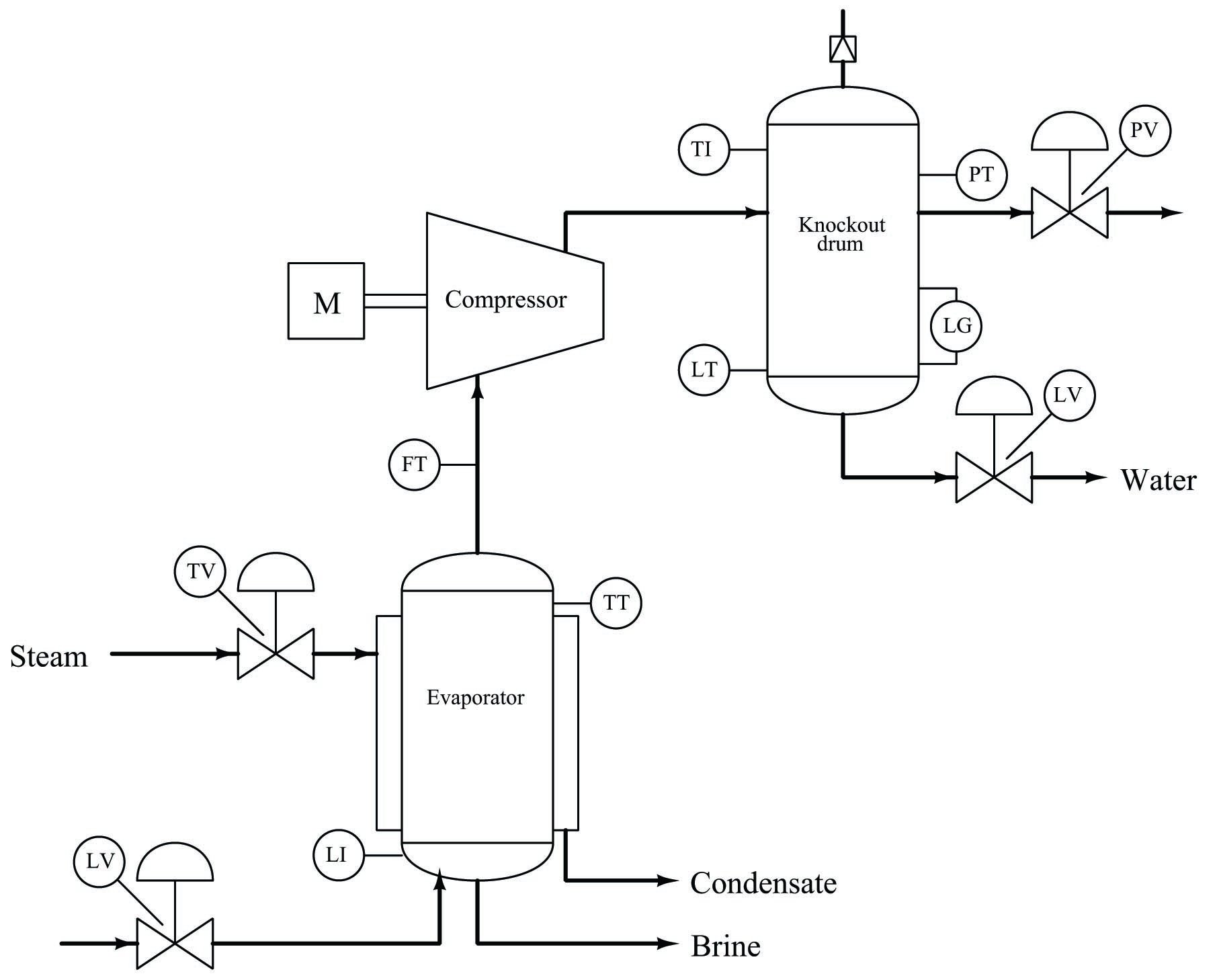
Figure 1: Process control system architecture showing sensor feedback and controller integration
Key Capabilities for Process Control Design
One of CHEMCAD Dynamic's most valuable features is its comprehensive controller library. Engineers can implement PID controllers, cascade control schemes, feedforward compensation, and advanced multivariable control strategies directly within the simulation environment. The software includes tuning tools that help optimize controller parameters based on process dynamics, reducing the trial-and-error typically associated with control system commissioning.
The real-time simulation capability enables hardware-in-the-loop testing, where actual control hardware can be connected to the simulation. This allows control engineers to validate their DCS (Distributed Control System) configurations before plant startup, identifying potential issues in a risk-free environment. Many companies have reported significant reductions in commissioning time by using this approach.
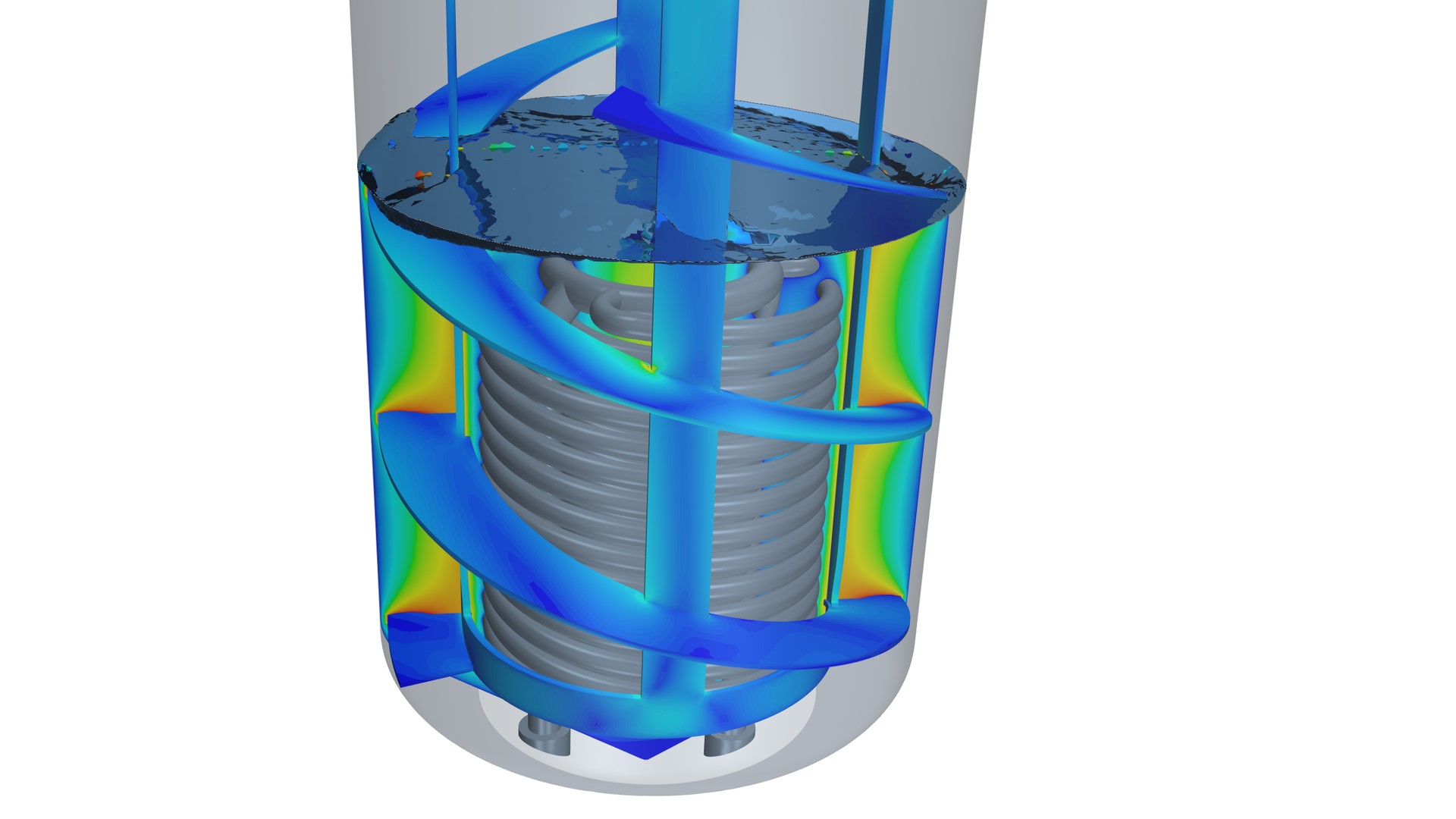
Figure 2: Dynamic simulation of chemical reactor showing temperature and pressure profiles
Transient Analysis for Safety Studies
Safety relief system design requires understanding worst-case scenarios during process upsets. CHEMCAD Dynamic excels at modeling runaway reactions, loss of cooling, and other emergency scenarios. Engineers can simulate the pressure and temperature profiles during upset conditions to properly size relief valves and rupture disks.
The software's rigorous thermodynamic property methods ensure accurate prediction of two-phase flow conditions during relief scenarios. This is particularly important for reactive systems where vapor-liquid equilibrium changes rapidly during depressurization. The ability to model these transients accurately can mean the difference between adequate and inadequate safety system design.
Batch Process Optimization
For batch and semi-batch operations, dynamic simulation is not optional—it's essential. CHEMCAD Dynamic allows engineers to model recipe sequences, including charging, heating, reaction, and discharge steps. The software can optimize batch cycle times while maintaining product quality specifications and safety constraints.
Recipe development becomes more efficient when engineers can test multiple scenarios virtually. The simulation can identify bottlenecks in heating or cooling capacity, predict batch-to-batch variability, and optimize reagent addition profiles for maximum yield. This capability is particularly valuable in pharmaceutical and specialty chemical manufacturing where batch processes dominate.
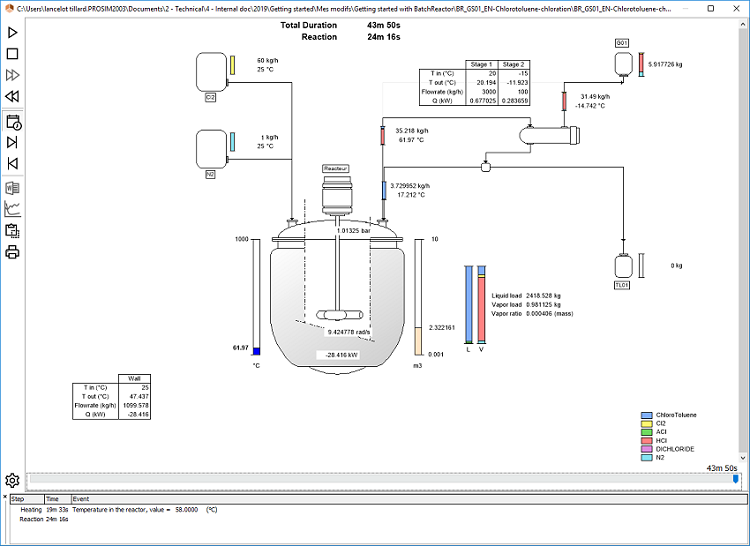
Figure 3: Batch reactor optimization results showing cycle time and temperature profiles
Integration with Plant Data
Modern chemical plants generate vast amounts of process data. CHEMCAD Dynamic can import historical plant data to validate model predictions against actual plant behavior. This validation step builds confidence in the model's predictive capability and helps identify areas where the model may need refinement.
Once validated, the dynamic model becomes a powerful tool for troubleshooting plant issues. Engineers can use the model to test hypotheses about process problems without disrupting plant operations. This "digital twin" approach is increasingly common in the chemical industry as companies seek to maximize asset utilization and minimize unplanned downtime.
Practical Implementation Considerations
Successful dynamic simulation requires careful attention to equipment sizing and holdup volumes. Vessels, piping, and heat exchangers must be properly sized in the model to capture realistic time constants. CHEMCAD's equipment sizing tools help ensure that the dynamic model reflects actual plant geometry.
Initial conditions are equally important. The simulation must start from a realistic operating point, typically obtained from a converged steady-state solution. CHEMCAD's integrated approach makes this initialization straightforward, automatically transferring steady-state results to the dynamic simulation.
Conclusion
Dynamic simulation has evolved from a specialized analysis tool to an essential component of modern chemical process engineering. CHEMCAD Dynamic provides the capabilities needed to design better control systems, ensure safe operations, and optimize batch processes. As the chemical industry continues to emphasize operational excellence and safety, dynamic simulation tools will play an increasingly central role in process design and operations.
For engineers working on projects involving complex control schemes, batch operations, or safety-critical systems, investing time in dynamic simulation during the design phase pays dividends throughout the plant lifecycle. The insights gained from transient analysis often reveal issues that would be impossible to identify through steady-state analysis alone.
Further Reading:
- CHEMCAD Technical Documentation: https://www.chemstations.com/CHEMCAD/
- ISA Standards for Process Control: https://www.isa.org/
- AIChE DIPPR Database for Physical Properties: https://www.aiche.org/dippr