

DIgSILENT PowerFactory: Advanced Grid Integration Studies for Renewable Energy Systems
As renewable energy penetration increases globally, power system engineers face unprecedented challenges in maintaining grid stability while integrating variable generation sources. DIgSILENT PowerFactory has emerged as a leading simulation platform for conducting comprehensive grid integration studies, offering specialized capabilities that address the unique requirements of modern renewable-dominated power systems.
Specialized Renewable Energy Modeling Capabilities
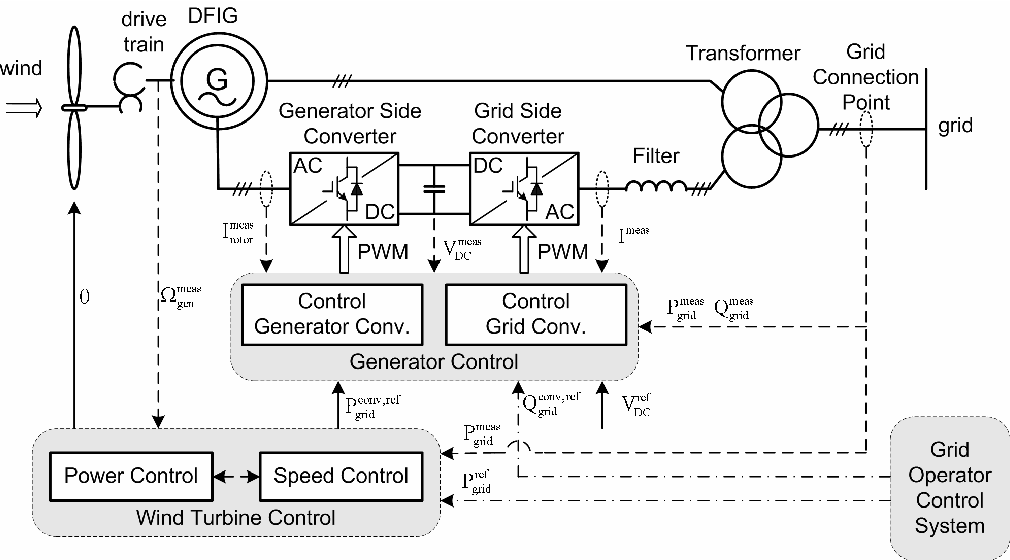
PowerFactory distinguishes itself through its extensive library of renewable energy models that capture the complex behavior of wind turbines, solar photovoltaic systems, and battery energy storage systems (BESS). The software includes detailed models for Type 3 and Type 4 wind turbines, incorporating both doubly-fed induction generators (DFIG) and full-converter systems. These models accurately represent the fast-acting power electronics and control systems that fundamentally differ from traditional synchronous generation.
For solar PV integration studies, PowerFactory provides sophisticated inverter models that simulate grid-forming and grid-following control strategies. Engineers can evaluate voltage ride-through capabilities, frequency response characteristics, and reactive power support under various grid conditions. The platform's ability to model distributed energy resources at scale—from individual rooftop installations to utility-scale solar farms—enables comprehensive distribution system impact assessments.

Dynamic Grid Code Compliance Verification
One of PowerFactory's most valuable features for renewable integration is its automated grid code compliance verification toolkit. Modern grid codes impose stringent requirements on renewable generators, including fault ride-through capabilities, frequency and voltage operating ranges, and active power control response times. PowerFactory allows engineers to systematically test renewable plant designs against international standards such as IEEE 1547, NERC PRC-024, and various European network codes.
The software's scripting interface using DIgSILENT Programming Language (DPL) and Python enables automated batch simulations across hundreds of operating scenarios. Engineers can programmatically vary system conditions—fault locations, generation dispatch, load levels—and automatically verify compliance metrics. This automation dramatically reduces the time required for interconnection studies while improving result accuracy and consistency.
Frequency Stability Analysis in Low-Inertia Systems
As synchronous generators are displaced by inverter-based resources, power systems experience reduced rotational inertia, leading to faster frequency deviations following disturbances. PowerFactory excels in analyzing these low-inertia scenarios through its advanced RMS and EMT simulation engines. The platform can model synthetic inertia provision from wind turbines and battery systems, evaluating their effectiveness in arresting frequency decline during generation loss events.
Engineers can conduct detailed rate-of-change-of-frequency (RoCoF) studies to assess system resilience and determine minimum inertia requirements. PowerFactory's quasi-dynamic simulation mode bridges the gap between steady-state and full dynamic analysis, enabling efficient evaluation of long-term phenomena like energy storage state-of-charge management while capturing critical frequency dynamics.
Practical Application: Offshore Wind Farm Integration
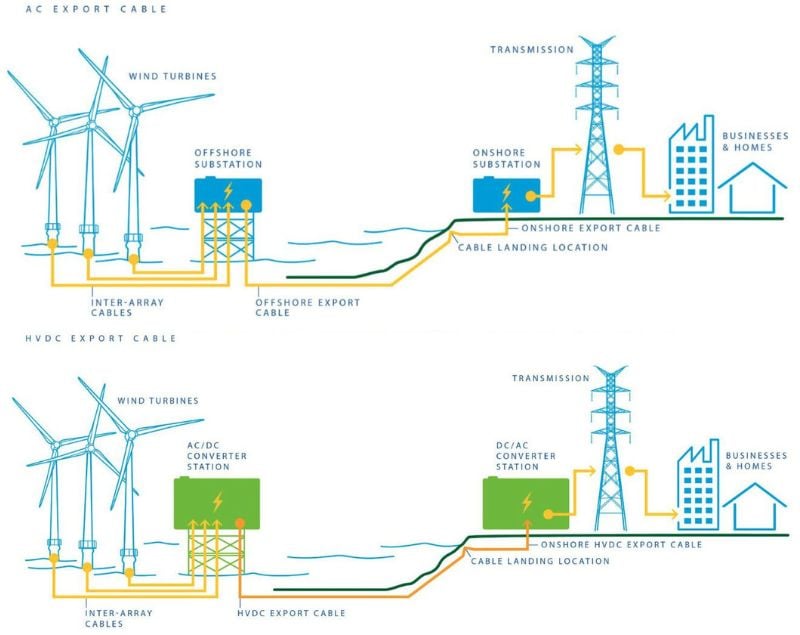
Consider a practical example: integrating a 500 MW offshore wind farm via HVDC transmission to a mainland grid. PowerFactory enables engineers to model the complete system—from individual turbine controllers through the offshore collector network, HVDC converter stations, and onshore AC grid. The platform's multi-terminal HVDC capabilities support analysis of complex offshore grid configurations increasingly deployed in European waters.
Engineers can evaluate voltage stability margins under varying wind conditions, assess harmonic distortion from converter switching, and optimize reactive power compensation strategies. PowerFactory's contingency analysis tools automatically identify critical N-1 and N-2 scenarios, ensuring the design meets reliability standards. The software's visualization capabilities—including animated phasor diagrams and geographic network displays—facilitate stakeholder communication during project development.
Integration with Real-Time Systems
PowerFactory's model export capabilities enable seamless transition from planning studies to real-time applications. Engineers can export validated models to real-time digital simulators (RTDS) for hardware-in-the-loop testing of protection and control systems. This workflow continuity ensures that simulation assumptions are verified through physical testing before commissioning, reducing project risk and accelerating deployment timelines.
The platform also supports co-simulation with other specialized tools, allowing engineers to couple PowerFactory's electrical system models with mechanical, thermal, or market simulation platforms. This multi-domain capability is essential for evaluating renewable integration impacts across the entire energy system.
Conclusion
DIgSILENT PowerFactory provides power system engineers with a comprehensive toolkit for addressing the technical challenges of renewable energy integration. Its combination of detailed component models, automated compliance verification, advanced dynamic simulation capabilities, and seamless workflow integration makes it an essential platform for utilities, developers, and consultants navigating the energy transition. As grids continue evolving toward higher renewable penetration, PowerFactory's specialized features position it as a critical tool for ensuring reliable, stable operation of future power systems.
For more information, visit the DIgSILENT website or explore the PowerFactory documentation for detailed technical specifications and application examples.