
OpenDSS: Open-Source Distribution System Simulation for Modern Power Grids
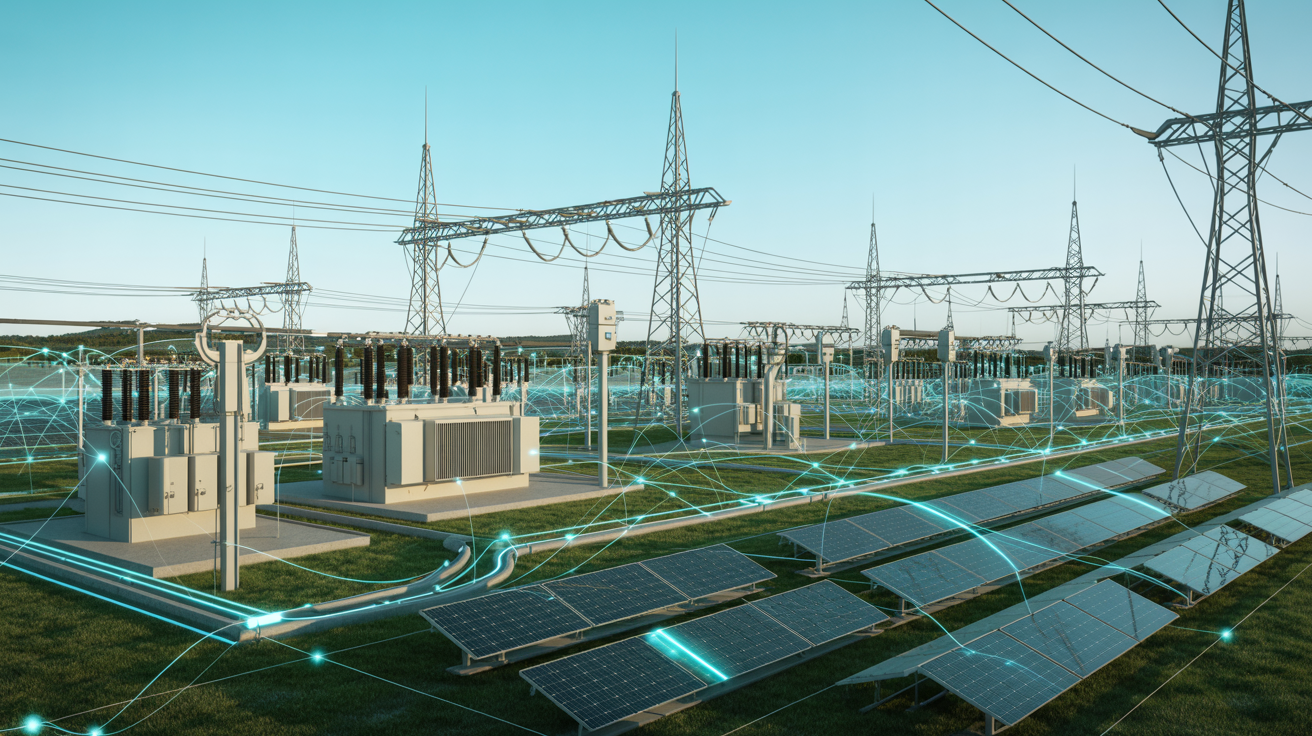
The modern electric grid is undergoing a profound transformation. The proliferation of solar panels, wind turbines, battery storage, and electric vehicles has fundamentally changed how distribution systems operate. Traditional planning tools, designed for one-way power flow from centralized generators, struggle to capture the complex dynamics of today's bidirectional, multi-resource grids. Enter OpenDSS (Open Distribution System Simulator)—an open-source platform that has become the industry standard for distribution system analysis in the era of grid modernization.
What is OpenDSS?
Developed by the Electric Power Research Institute (EPRI) and released as open-source software in 2008, OpenDSS is a comprehensive simulation tool designed specifically for electric utility distribution systems. Unlike traditional power flow programs, OpenDSS was built from the ground up as a frequency-domain solver capable of handling the unique challenges of distribution networks: unbalanced multi-phase systems, time-varying renewable resources, harmonic distortion, and the integration of thousands of distributed energy resources (DERs).
At its core, OpenDSS represents electrical circuits using nodal admittance equations, solving large sparse matrix systems with exceptional computational efficiency. This architecture enables everything from simple snapshot power flow analysis to year-long quasi-static time-series (QSTS) simulations that capture solar generation patterns, load variations, and dynamic inverter controls.

Key Capabilities for Modern Grids
OpenDSS excels in several critical areas that matter most to today's grid operators and planners:
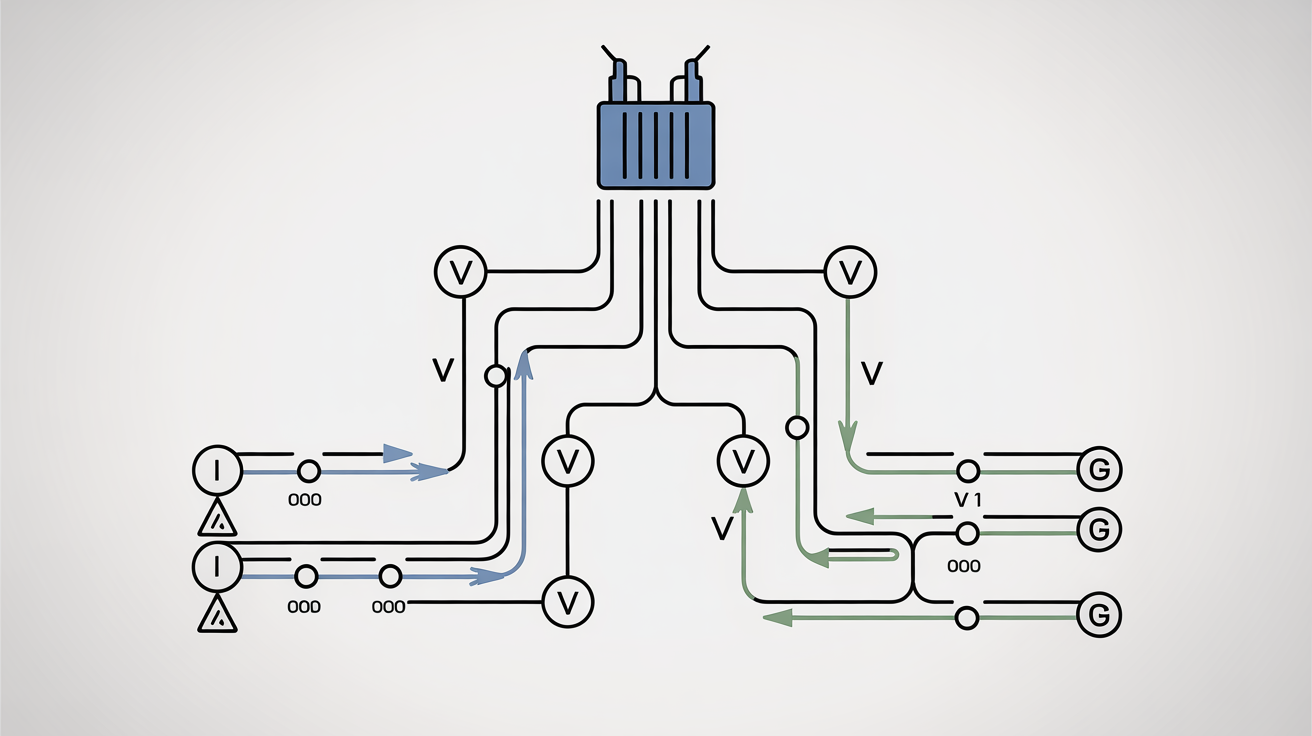
Distribution System Modeling: The simulator provides an object-oriented circuit description language that handles both radial and meshed networks with full multi-phase representation. This granularity is essential for accurately modeling voltage imbalances, neutral conductor effects, and phase-specific issues common in distribution systems.
Time-Series Analysis: One of OpenDSS's most powerful features is its QSTS capability. Engineers can simulate months or years of operation at one-minute resolution, capturing how solar generation ramps up and down, how energy storage systems charge and discharge, and how voltage regulators respond throughout the day. This temporal fidelity is impossible with traditional snapshot analysis.
Harmonic and Power Quality Analysis: As inverter-based resources multiply, harmonic distortion has become a growing concern. OpenDSS's native frequency-domain solver seamlessly performs harmonic flow analysis, allowing engineers to identify potential power quality issues before equipment is deployed.
Smart Inverter Functions: With IEEE 1547-2018 mandating advanced inverter capabilities, utilities need tools to model Volt-VAR, Volt-Watt, and other autonomous control functions. OpenDSS includes built-in inverter models that comply with these standards, enabling optimization studies to maximize hosting capacity while maintaining grid stability.
Python Integration: A Game-Changer
While OpenDSS can be used through its native scripting language, its Python integration has revolutionized how engineers interact with the tool. Through interfaces like OpenDSSDirect.py and DSS-Python, users can automate complex workflows, implement custom control algorithms, and integrate OpenDSS into larger analytical frameworks.
from opendssdirect import dss
dss('Redirect "my_feeder.dss"')
dss.Solution.Solve()
voltages = dss.Circuit.AllBusVMag()
This Pythonic approach has made OpenDSS accessible to data scientists and software engineers who may not have traditional power systems backgrounds, dramatically expanding its user base and spurring innovation in grid analytics.
Real-World Impact
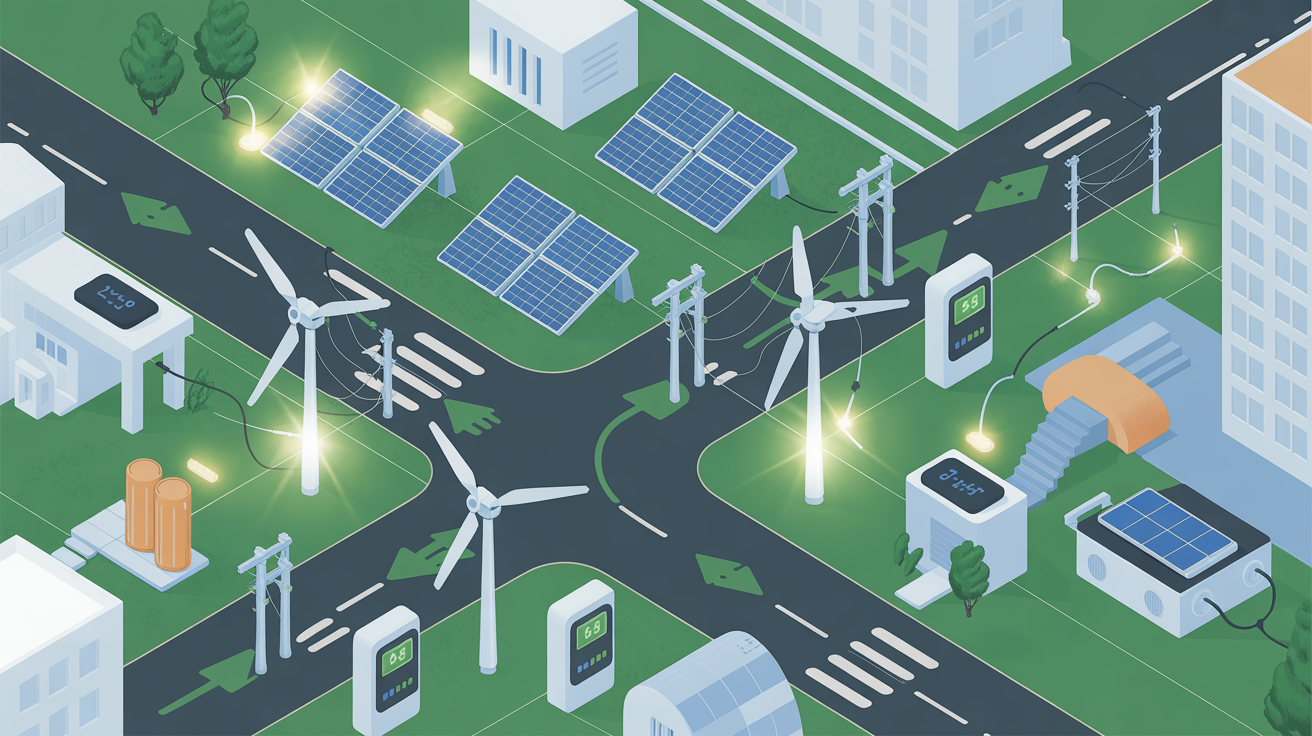
OpenDSS's impact extends far beyond academic research. Con Edison uses it to process DER interconnection requests and optimize smart inverter settings. Brazil's national regulator, ANEEL, has standardized on OpenDSS for calculating technical distribution losses across the entire country. The tool has been downloaded over 100,000 times and is used by utilities, consultants, and researchers on every continent.
Perhaps most importantly, OpenDSS has democratized distribution system analysis. Where proprietary software once cost tens of thousands of dollars per license—limiting access to large utilities with substantial budgets—OpenDSS provides world-class capabilities at no cost. This has enabled smaller municipal utilities, university researchers, and developing nations to perform sophisticated grid studies that were previously out of reach.
Hosting Capacity and Beyond
One application where OpenDSS has become indispensable is hosting capacity analysis—determining how much DER can be safely interconnected to a feeder before technical limits are violated. Using Monte Carlo methods and QSTS simulations, utilities can now provide transparent, data-driven interconnection decisions rather than relying on conservative rules of thumb.
Looking forward, OpenDSS is increasingly being used in co-simulation environments, paired with communication network simulators, market models, and transmission system tools through frameworks like HELICS. These integrated simulations capture the complex interactions between different grid layers, paving the way for more resilient and efficient energy systems.
Getting Started
For engineers ready to explore OpenDSS, excellent resources are available through EPRI's official documentation, including tutorials, standard test feeders, and community forums. The DSS-Extensions project provides modern Python interfaces with comprehensive examples. Whether analyzing a single feeder or modeling an entire utility territory, OpenDSS provides the tools needed to meet today's distribution system challenges.
In an industry facing unprecedented change, OpenDSS stands as proof that open-source collaboration can deliver world-class engineering tools—and that the future of the grid depends on accessible, transparent, and powerful simulation capabilities available to all.