
PSCAD: Advanced Electromagnetic Transient Simulation for Power Electronics and HVDC Systems
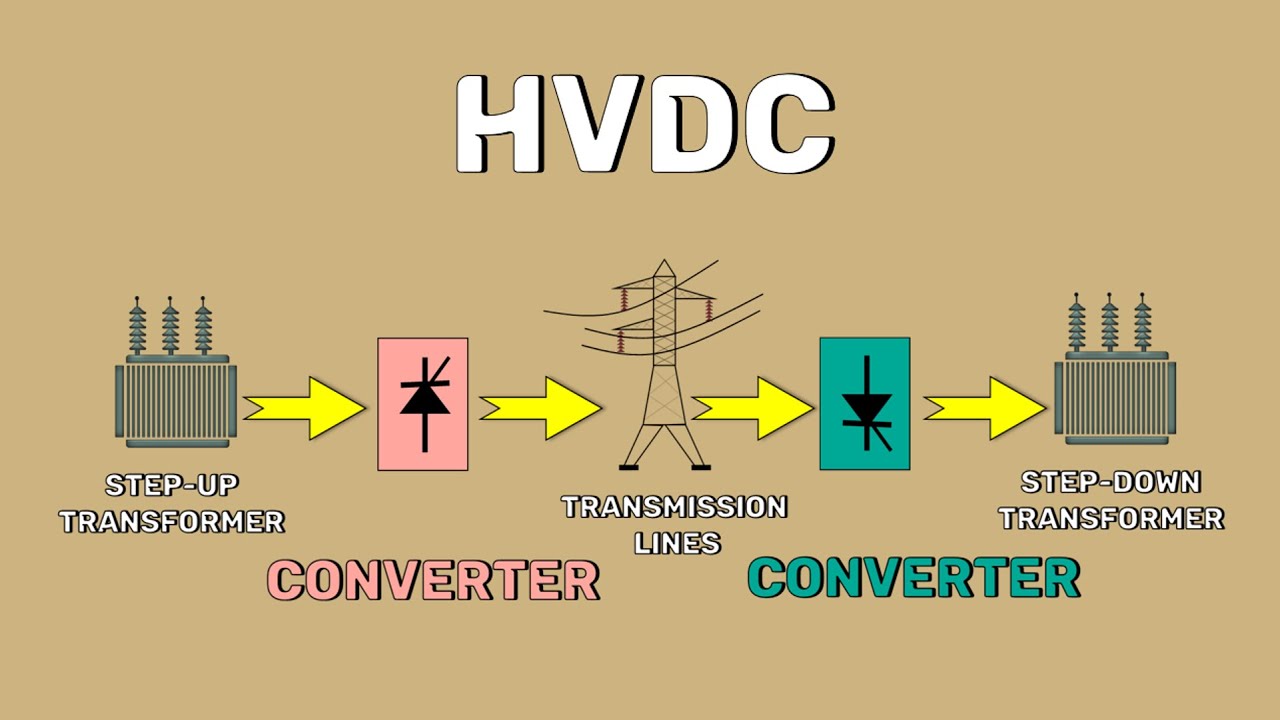
Power system electromagnetic transient (EMT) simulation has become increasingly critical as modern grids integrate more power electronics, HVDC transmission, and renewable energy sources. PSCAD (Power Systems Computer Aided Design), developed by Manitoba HVDC Research Centre, stands as the industry-leading EMT simulation platform for analyzing fast transient phenomena that traditional phasor-based tools cannot capture.
Understanding EMT Simulation Capabilities
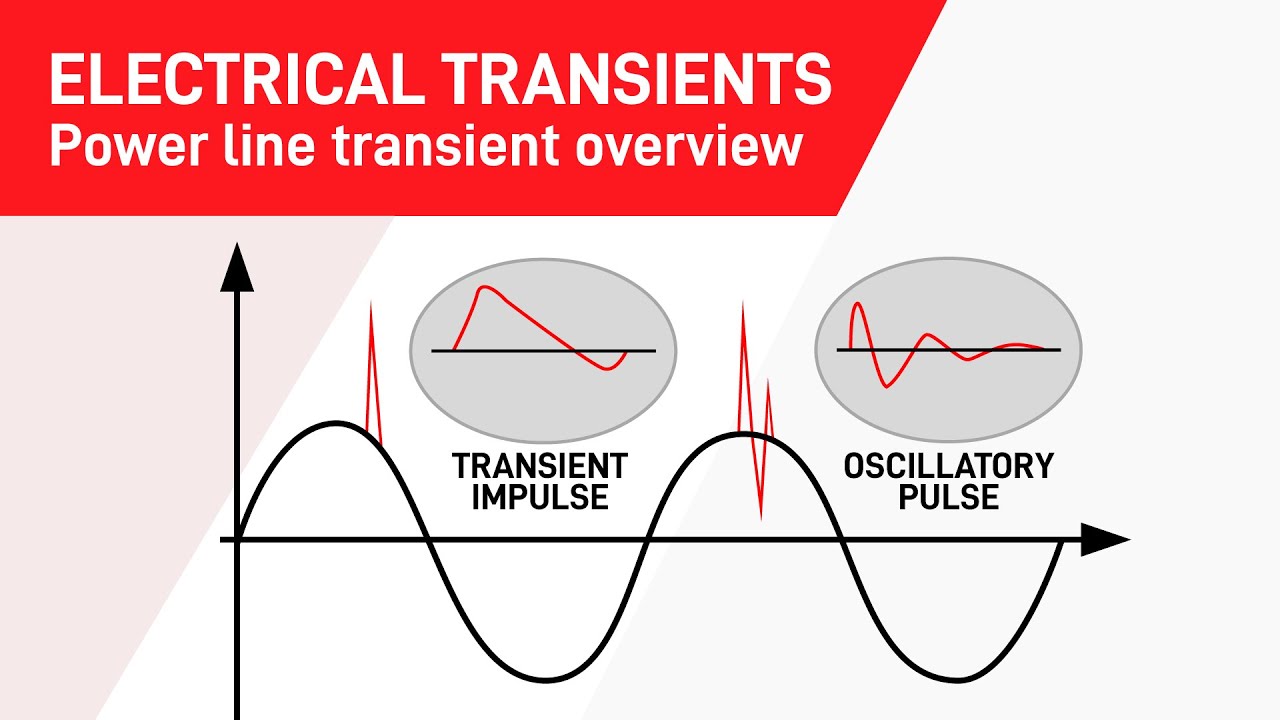
PSCAD excels at modeling electromagnetic transients with microsecond-level time resolution, making it indispensable for power electronics design and HVDC system studies. Unlike phasor-domain simulators that assume sinusoidal steady-state conditions, PSCAD solves differential equations in the time domain, capturing switching events, harmonics, and sub-cycle dynamics with exceptional accuracy.
The software's core strength lies in its comprehensive library of power electronic components including IGBTs, thyristors, and modular multilevel converters (MMCs). Engineers can model complex converter topologies with detailed control systems, enabling precise analysis of voltage source converters (VSCs) and line-commutated converters (LCCs) used in modern HVDC schemes.

HVDC System Modeling Best Practices
When modeling HVDC systems in PSCAD, proper representation of converter control hierarchies is essential. The typical control structure includes inner current controllers operating at millisecond timescales, outer power controllers, and supervisory protection schemes. PSCAD's hierarchical design approach allows engineers to encapsulate control logic in custom components, promoting reusability across projects.
For MMC-based HVDC systems, detailed arm modeling versus average-value modeling presents a critical trade-off. Detailed models capture individual submodule dynamics and circulating currents but require significantly longer simulation times. Average-value models sacrifice some accuracy for computational efficiency, making them suitable for system-level studies where detailed switching behavior is less critical.
Renewable Integration Studies
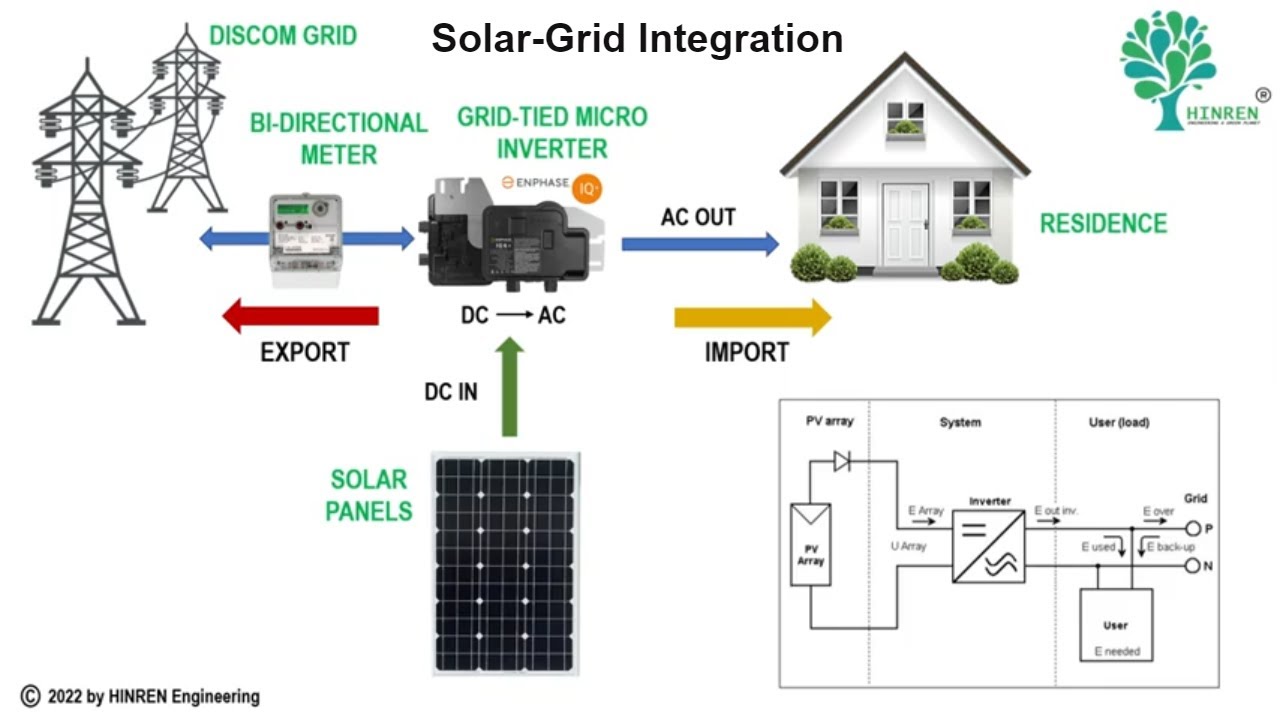
PSCAD has become the preferred tool for analyzing grid integration challenges posed by inverter-based resources (IBRs). Wind turbine generators and solar PV systems introduce complex interactions with grid impedance that can trigger subsynchronous oscillations and harmonic resonance. PSCAD's frequency-dependent network equivalent (FDNE) feature enables accurate representation of transmission network impedance characteristics across wide frequency ranges.
Recent grid code requirements mandate detailed EMT studies for large-scale renewable projects. PSCAD facilitates compliance testing by allowing engineers to verify fault ride-through capability, voltage control response, and frequency support functions under various grid disturbances. The software's scripting capabilities through Python and FORTRAN enable automated parameter sweeps and Monte Carlo studies for probabilistic analysis.
Advanced Modeling Techniques
PSCAD's multiple-run automation framework streamlines parametric studies essential for sensitivity analysis and optimization. Engineers can define parameter ranges, execute batch simulations, and post-process results programmatically. This capability proves invaluable when tuning controller gains or assessing system robustness across operating conditions.
The software supports real-time simulation through interfaces with RTDS (Real-Time Digital Simulator) hardware, enabling hardware-in-the-loop (HIL) testing. This workflow allows validation of physical controller hardware against detailed power system models before field deployment, significantly reducing commissioning risks.
Computational Considerations
EMT simulation computational demands scale rapidly with system size and model detail. PSCAD employs sophisticated numerical integration algorithms, with the trapezoidal rule being the default choice for its stability and accuracy. For stiff systems involving fast power electronics and slower electromechanical dynamics, careful selection of simulation timestep becomes critical—typically 10-50 microseconds for detailed converter studies.
Multi-core processing capabilities in recent PSCAD versions enable parallel execution of independent simulation runs, though individual case execution remains largely single-threaded due to the sequential nature of time-domain integration. Strategic model simplification in non-critical network areas can dramatically improve simulation speed without compromising result accuracy.
Industry Applications and Future Directions
PSCAD continues to evolve alongside power system technology. Recent enhancements include improved models for grid-forming inverters, battery energy storage systems, and offshore wind farm collection networks. The growing prevalence of weak grid conditions and 100% IBR scenarios demands the detailed transient analysis that only EMT tools like PSCAD can provide.
For engineers working on HVDC projects, power electronics design, or renewable integration studies, PSCAD remains an essential tool in the simulation toolkit. Its combination of modeling depth, computational efficiency, and industry validation makes it the standard for electromagnetic transient analysis in modern power systems.