

Simcyp Population-Based PBPK Modeling: Predicting Drug-Drug Interactions in Virtual Patient Cohorts
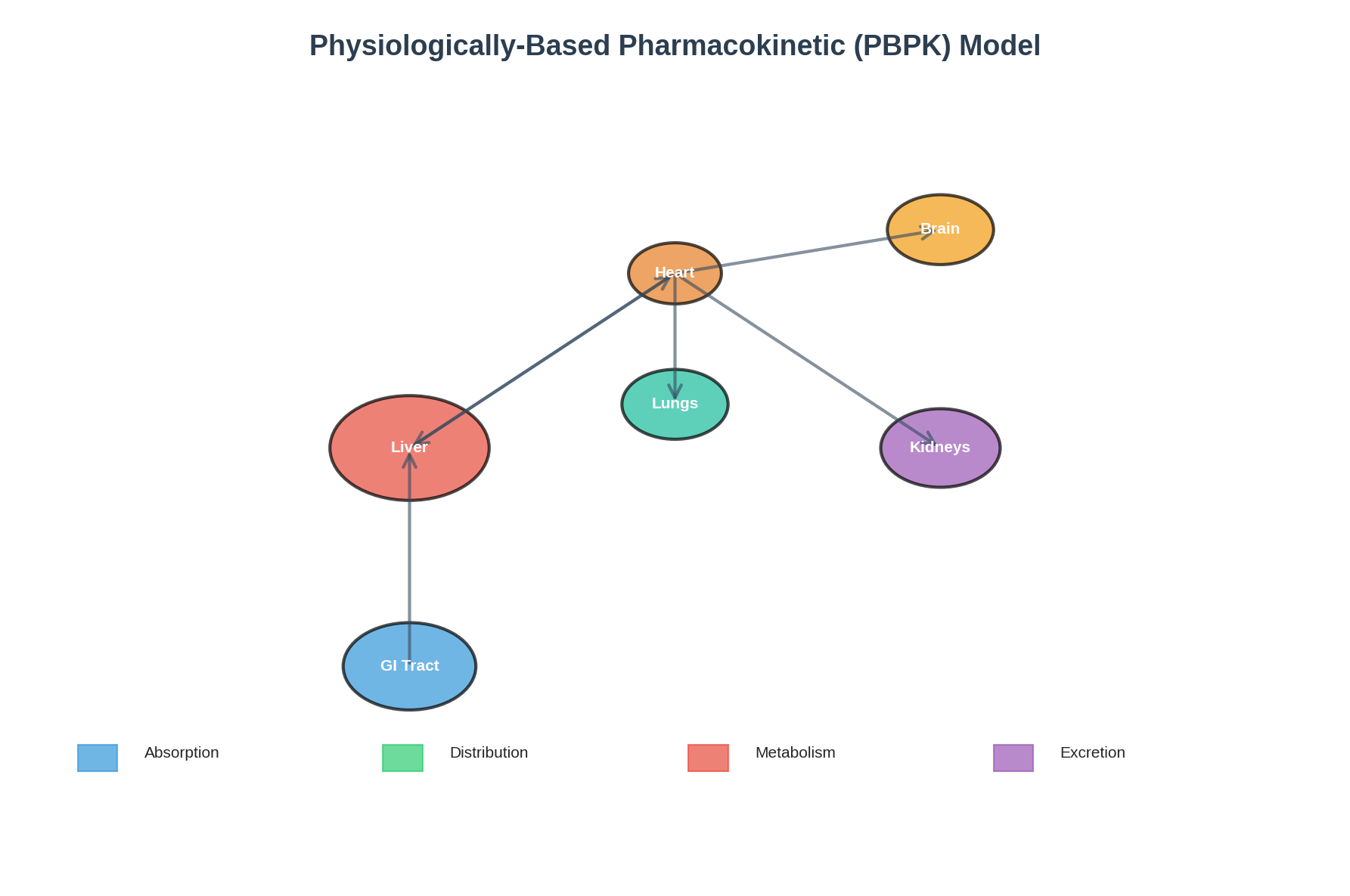
Pharmacokinetic (PK) modeling has evolved from simple compartmental approaches to sophisticated physiologically-based pharmacokinetic (PBPK) models that integrate anatomical, physiological, and biochemical data. Simcyp Simulator stands out as a leading platform for population-based PBPK modeling, enabling pharmaceutical researchers to predict drug behavior across diverse patient populations before clinical trials begin.
Understanding Population-Based PBPK Modeling
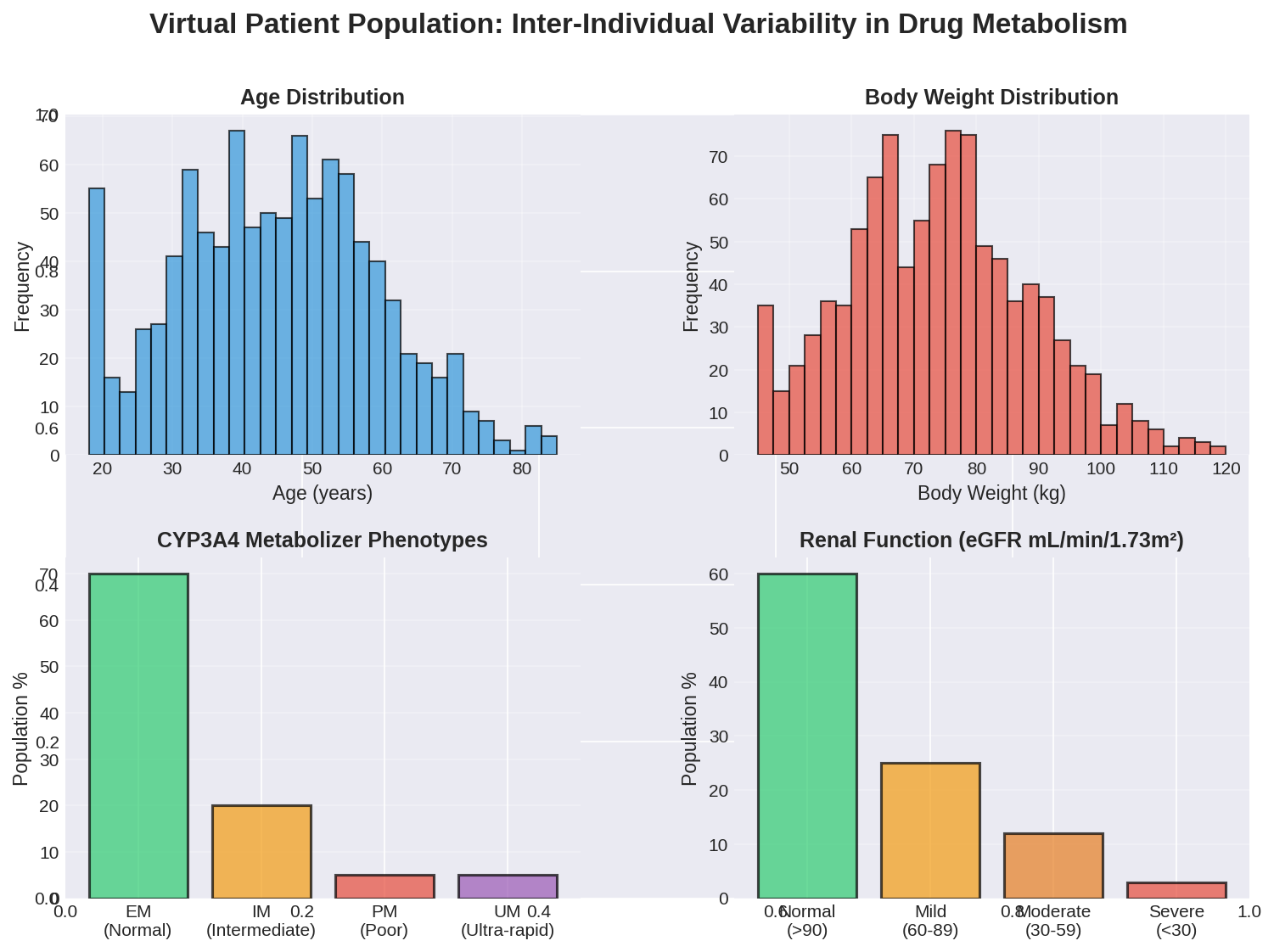
Traditional PK models treat the body as a series of abstract compartments, but PBPK models incorporate actual organ volumes, blood flow rates, tissue composition, and enzyme kinetics. Simcyp extends this framework by simulating virtual populations that capture inter-individual variability in age, genetics, disease states, and co-medications. This population approach is critical for predicting drug-drug interactions (DDIs) and identifying at-risk patient subgroups.
The simulator integrates mechanistic models of drug absorption (including dissolution, permeability, and gut metabolism), distribution (tissue partition coefficients derived from physicochemical properties), metabolism (CYP450 enzyme kinetics with genetic polymorphisms), and excretion (renal and biliary clearance). By running Monte Carlo simulations across thousands of virtual subjects, researchers obtain distributions of exposure metrics rather than single-point estimates.

Predicting Drug-Drug Interactions with Mechanistic Precision
DDI prediction is where Simcyp demonstrates exceptional value. When a patient takes multiple medications, one drug may inhibit or induce the enzymes metabolizing another, leading to toxic accumulation or therapeutic failure. Simcyp models these interactions at the molecular level by incorporating:
-
Reversible and time-dependent enzyme inhibition: The platform accounts for competitive, non-competitive, and mechanism-based inhibition kinetics, predicting how inhibitor concentration at the enzyme site changes over time.
-
Enzyme induction dynamics: CYP450 induction follows a time-dependent process involving transcriptional regulation. Simcyp models the delay between inducer administration and maximal enzyme expression, capturing the gradual onset and offset of induction effects.
-
Transporter-mediated interactions: Beyond metabolic enzymes, the simulator includes intestinal and hepatic transporters (P-gp, BCRP, OATPs) that affect drug absorption and disposition. Transporter inhibition can dramatically alter substrate bioavailability.
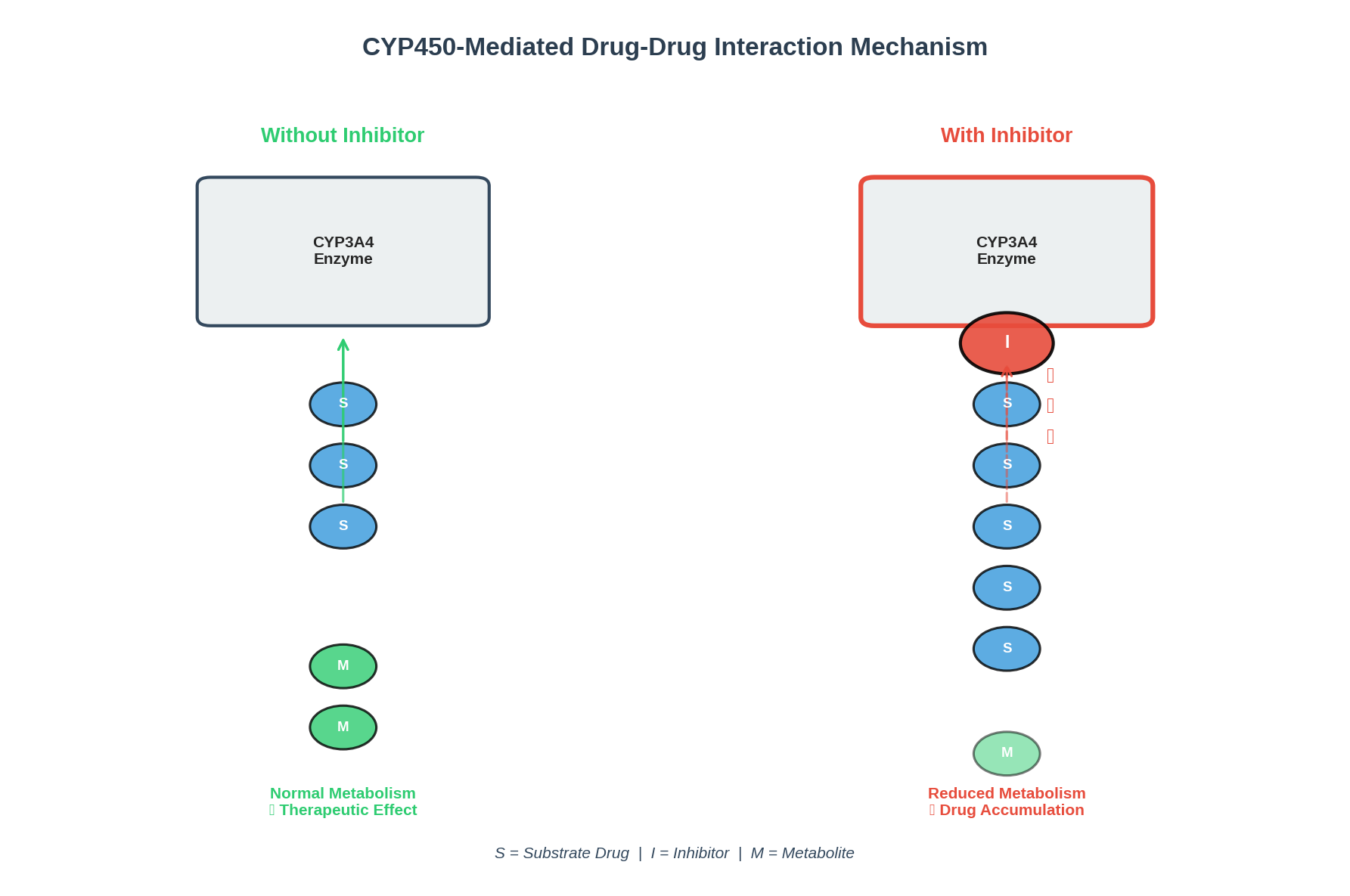
For example, when simulating the interaction between a CYP3A4 substrate and ketoconazole (a potent CYP3A4 inhibitor), Simcyp predicts not just the magnitude of AUC increase but also the time course of inhibition onset and recovery. This temporal resolution is essential for designing dosing strategies that minimize DDI risk.
Virtual Clinical Trials and Regulatory Applications
Regulatory agencies increasingly accept PBPK modeling to support drug labeling and clinical trial design. The FDA and EMA have published guidelines on PBPK model qualification, and Simcyp's compound files and population libraries have been extensively validated against clinical data.
Pharmaceutical companies use Simcyp to:
-
Optimize first-in-human dose selection: By simulating drug exposure in virtual healthy volunteers, researchers identify safe starting doses and predict dose-proportionality.
-
Design DDI studies: Instead of conducting exhaustive clinical DDI trials for every possible drug combination, sponsors simulate interactions in silico and prioritize the most clinically relevant studies.
-
Assess special populations: Pediatric, geriatric, and renally impaired populations exhibit altered PK. Simcyp's population libraries incorporate age-dependent organ maturation and disease-related physiological changes, enabling dose adjustments without extensive clinical testing in vulnerable groups.
-
Support regulatory submissions: Well-documented PBPK models can replace or reduce clinical studies, accelerating drug approval timelines and reducing development costs.
Best Practices for Simcyp Model Development
Successful PBPK modeling requires careful parameterization and validation. Key recommendations include:
-
Use high-quality input data: Physicochemical properties (logP, pKa, solubility), in vitro metabolism data (Km, Vmax, CLint), and plasma protein binding should be measured under standardized conditions.
-
Validate against clinical PK data: Before predicting DDIs, verify that the model accurately reproduces observed single-dose and steady-state PK profiles in the target population.
-
Perform sensitivity analysis: Identify which parameters most influence model predictions. Uncertain parameters should be refined through additional experiments or literature review.
-
Document model assumptions: Regulatory reviewers scrutinize PBPK models closely. Transparent documentation of model structure, parameter sources, and validation results is essential.
-
Leverage Simcyp's compound library: The platform includes pre-validated models for common perpetrator drugs (inhibitors and inducers), reducing the need to build every model from scratch.
Integration with Clinical Decision Support
Beyond drug development, PBPK modeling is entering clinical practice through precision dosing applications. By integrating patient-specific data (genotype, renal function, co-medications) with Simcyp models, clinicians can predict individualized drug exposure and adjust doses accordingly. This approach is particularly valuable for narrow therapeutic index drugs where small exposure changes lead to toxicity or treatment failure.
Research groups are also coupling Simcyp with pharmacodynamic (PD) models to predict not just drug concentrations but clinical outcomes. For instance, linking antibiotic PK models with bacterial kill-rate equations enables simulation of treatment success rates across dosing regimens and patient populations.
Conclusion
Simcyp Population-Based PBPK Modeling represents a paradigm shift in pharmaceutical research, moving from empirical trial-and-error to mechanistic prediction. Its ability to simulate drug-drug interactions in virtual patient cohorts accelerates drug development, enhances patient safety, and supports regulatory decision-making. As computational power increases and physiological databases expand, PBPK modeling will become even more integral to personalized medicine and rational drug therapy.
For researchers seeking to implement PBPK modeling, Simcyp offers comprehensive training programs and extensive documentation. The platform's integration with experimental data workflows and regulatory acceptance make it an indispensable tool in modern pharmacology.
Further Reading:
- FDA Guidance: Physiologically Based Pharmacokinetic Analyses — Format and Content
- Simcyp Consortium: https://www.certara.com/software/simcyp-pbpk/
- Jamei M, et al. "The Simcyp Population-based ADME Simulator" Expert Opin Drug Metab Toxicol (2009)